Solving the 3 a.m. Problem: Are We Missing the Point?
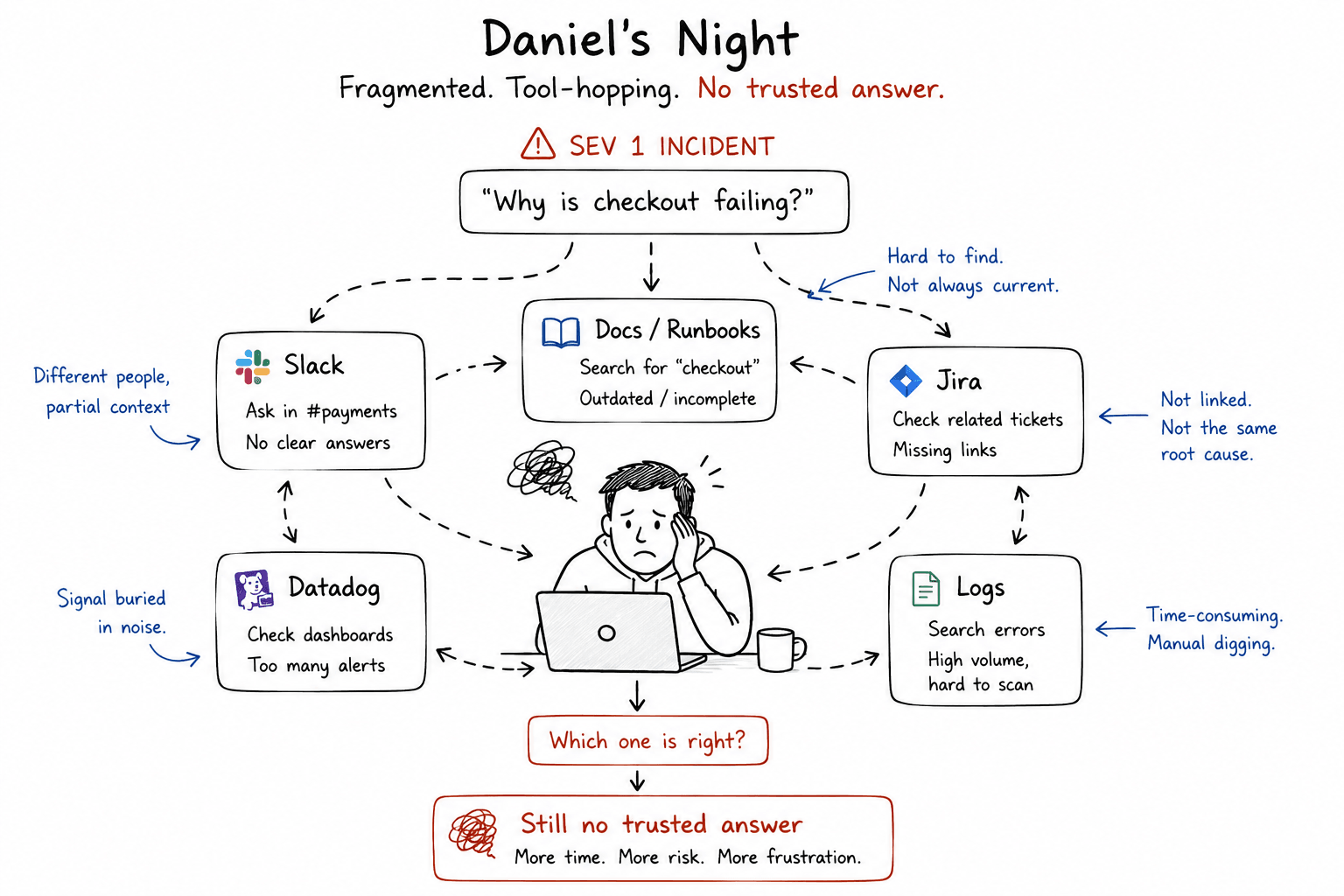
The '3 a.m. problem' is keeping founders up at night. It's not just about tech issues. it's about understanding the real needs of users. Are we focusing on the right priorities?
You know the drill. It's 3 a.m. and you're bleary-eyed, staring at code or a blank screen, trying to solve a problem that just won't quit. Founders and tech leads often find themselves in this nocturnal struggle, sometimes called the '3 a.m. problem.' But here's the kicker, it's not always about the tech or the bugs. It's about understanding what people actually want, and whether we're focusing on the right priorities.
The Real Root of the Problem
The '3 a.m. problem' often boils down to misalignment between what a company thinks its users need and what they truly want. It's one thing to have a killer product idea, but does it solve a real problem? The pitch deck says one thing. The product says another. That's the conundrum that keeps founders tossing and turning. If you're in the trenches, ask yourself this: Are your sleepless nights spent fixing tech issues, or are you grappling with whether your product-market fit is solid?
Why Prioritization Matters
In the tech startup world, resources are limited. You've got burn rates and ARR to worry about. But what really matters is whether anyone's actually using this stuff. Focusing on the wrong priorities can lead to wasted time and money. It's about cutting through the noise and zeroing in on what will make your product indispensable to users. I've been in that room. Here's what they're not saying: If your product doesn't address a genuine need, it won't matter how polished it's.
Where Do We Go From Here?
Startups need to pivot their focus from just tech innovation to understanding consumer behavior. Are your users using your product the way you envisioned, or are they creating their own paths? Sometimes, the real story is in how your product gets used in unexpected ways. This can be a goldmine of insights. Don't let the '3 a.m. problem' blindside you into thinking it's just a tech issue. It's a user issue, a priority issue, and ultimately, a survival issue.
So what's the answer? Maybe we should stop asking 'What can our tech do?' and start asking 'What do our users need most right now?'
Get AI news in your inbox
Daily digest of what matters in AI.