Software's Stranglehold on Robotics: A QNX Perspective
QNX's recent study highlights how software constraints are throttling robotics innovation. As AI-driven robots increasingly operate in human environments, the focus shifts from hardware to achieving reliable and safe software architectures.
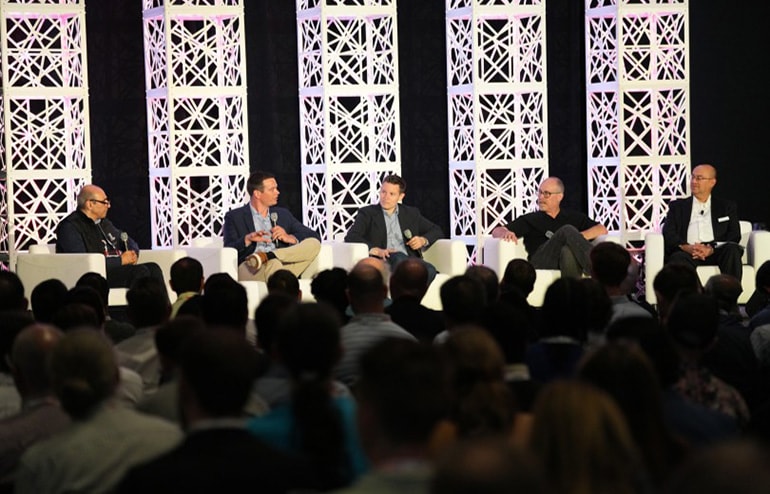
At the recent Robotics Summit & Expo in Boston, the conversation wasn't just about new tech. QNX's latest study, 'Inside the Robot: Architecture Benchmark Report,' made it clear that software is now the chief bottleneck in robotics development. The days of hardware dominance are fading as AI-driven systems require more strong software foundations.
Software: The New Bottleneck
According to the data, 27% of robotics developers cite software architecture and integration as the primary hurdles, while only 16% point to hardware. This isn't just a detail, it's a tectonic shift. As robots venture beyond controlled settings like factories into dynamic environments such as hospitals, the need for secure, predictable, and adaptable software has never been greater.
The AI-AI Venn diagram is getting thicker. Developers are investing heavily in AI-driven decision-making and cybersecurity, with 85% expecting software's role to grow in the next few years. QNX's findings underscore the reality that as systems become more interconnected, software isn't just a tool but a strategic asset.
Real-world Deployments Raise the Stakes
With 83% of surveyed teams deploying systems alongside humans, the stakes are higher. The transition into less controlled environments demands that robots not only act autonomously but also safely. Yet most developers rely on general-purpose operating systems, despite the need for real-time, deterministic execution. The question lingers: Are we ready to trust these systems in our daily lives?
Despite these challenges, ambition doesn't wane. Physical AI's potential is immense, but as QNX points out, confidence in executing safe and predictable actions remains uneven. Only 29% of developers feel assured in their systems' real-world decision-making prowess.
Certification and Security: The Unseen Hurdles
The regulatory landscape compounds these challenges. Certification delays affect two-thirds of projects, particularly in regions with stringent regulations like Germany and the U.K. Security standards, such as ISO/SAE 21434, add further complexity. The compute layer needs a payment rail, so to speak, in meeting these security demands.
QNX's comprehensive analysis paints a picture of an industry at a crossroads. As the reliance on software grows, the pressure to develop systems that aren't just innovative but also safe and reliable will only intensify. If agents have wallets, who holds the keys to their safe and predictable deployment?
Get AI news in your inbox
Daily digest of what matters in AI.