Software, Not Hardware, Stalls Robotics' AI Leap
QNX's recent report uncovers that software, not hardware, is the current bottleneck in robotics innovation. Developers face challenges in integration complexity and safety, with software becoming a critical element as robotics systems evolve.
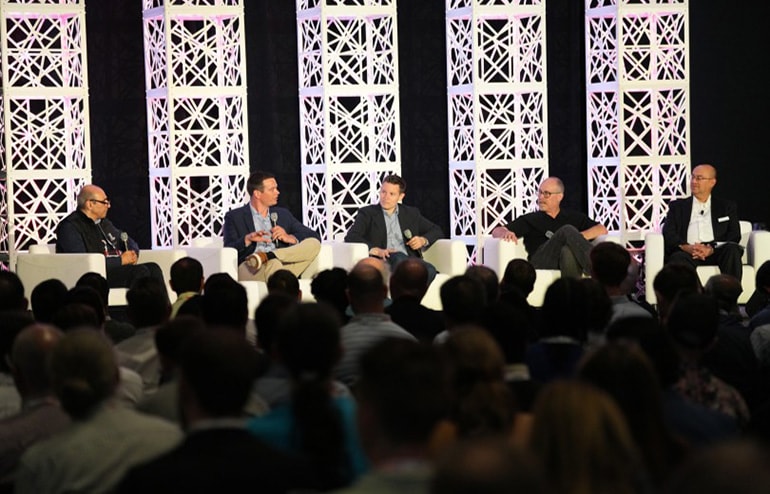
At the recent Robotics Summit & Expo in Boston, QNX unveiled a turning point study, "Inside the Robot: Architecture Benchmark Report." This research highlights a pressing reality: as robotics systems become increasingly software-driven and powered by AI, developers are hitting the walls of outdated architectures.
Jim Hirsch, QNX's global sales VP, points out that while the push for smarter, autonomous systems is strong, these ambitions clash with legacy architectures. The data shows that integration complexity and functional safety in human-machine interactions are key hurdles. Yet, Hirsch remains optimistic, suggesting that solid software foundations could pave the way for safer, more autonomous robots.
Software as the New Bottleneck
Software architecture and integration have emerged as significant performance bottlenecks, affecting nearly 27% of developers. This contrasts sharply with hardware, which only 16% see as a major impediment. The market map tells the story: future advancements hinge on the predictability and security of software systems, not just new hardware innovations.
As robotics ventures into unpredictable environments like city streets and hospitals, software dictates success. A staggering 85% of developers predict software's role in robotics will intensify in the next few years, with a keen focus on AI-driven decision-making and cybersecurity investments.
Rising Stakes in Human Environments
The shift towards deploying robots in human-centric settings is undeniable, with more than 83% of systems now sharing spaces with people. This change elevates expectations for reliability and safety. The competitive landscape shifted this quarter as more companies recognize that deterministic, real-time execution is non-negotiable for success.
Still, most teams rely on general-purpose operating systems not designed for safety-critical tasks. This contradiction between flexibility and the need for assured behaviors highlights a growing tension in the industry.
Regulatory Hurdles and Cybersecurity Concerns
Certification delays and tightening cybersecurity standards add layers of complexity. Around 66% of projects face delays due to certification, particularly in countries like the U.K. and Germany. This impacts costs and risks, underscoring the importance of meeting cybersecurity and functional safety standards.
Despite these challenges, the robotics sector remains optimistic about AI's potential. A whopping 89% believe AI-enabled robots will be essential in the coming years. But how prepared are we for this AI-driven future? Only 29% express strong confidence in navigating real-world unpredictability safely.
QNX's findings underscore a critical shift: software isn't just a facilitator but a strategic asset. As the robotics industry's trajectory hinges on overcoming these software challenges, the question is, will the industry rise to the occasion?
Get AI news in your inbox
Daily digest of what matters in AI.