SiFive Lands $400M Boost: What This Means for RISC-V and the Chip Industry
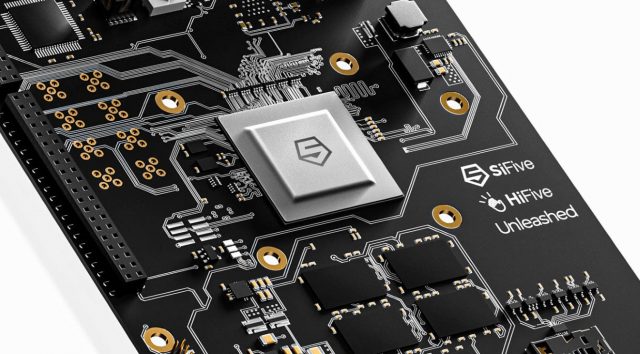
RISC-V chip designer SiFive secures $400 million in Series G funding, led by Atreides Management, with Nvidia and Apollo among contributors. The funding reflects growing confidence in open-source architecture.
SiFive Inc., a key player in the area of chip design, has just secured a substantial $400 million in Series G funding. This financing round, led by Atreides Management, values the startup at a striking $3.65 billion. It's not just about the numbers, though. This injection of capital signals a burgeoning confidence in the open-source RISC-V architecture that SiFive champions.
Who's On Board?
Heavy hitters like Nvidia Corp. and Apollo have thrown their weight behind SiFive in this latest round. Their involvement shouldn't be underestimated. When industry giants buy in, it echoes a broader sentiment of trust and potential in SiFive's approach. RISC-V, as an open-source architecture, presents a fresh alternative to the more established proprietary designs that have dominated the landscape.
Why RISC-V Matters
RISC-V's open-source nature is its linchpin. It offers flexibility and adaptability, attractive to developers who want less restrictive environments. The question is, how will this impact the wider chip market? Traditional players might find themselves re-evaluating their strategies as the demand for open-source solutions grows.
If SiFive's designs continue to gain traction, could this herald a shift in how we approach chip design? The container doesn't care about your consensus mechanism, after all, and neither does the chip. It needs efficiency and effectiveness, precisely what RISC-V aims to deliver.
The Investment's Broader Implications
The $400 million infusion isn't just about expanding SiFive's capabilities, it's about validating the RISC-V model. Nobody is modelizing lettuce for speculation. They're doing it for traceability. Similarly, this investment isn't mere speculation. It's a bet on the practical benefits and the tangible breakthroughs RISC-V could bring to the industry.
For a market often critiqued for its slow-moving nature, the willingness to embrace an open-source architecture like RISC-V is refreshing. SiFive's success could nudge other players to consider more open solutions, potentially leading to more collaborative and innovative outcomes.
What's Next?
As SiFive moves forward, the industry's eyes will be watching closely. Can they maintain their momentum? With such significant backing, there's little doubt that SiFive will be pushing the envelope further. But will this be enough to disrupt longstanding incumbents?, though the signs are promising. The chip industry might just be on the cusp of a transformation, where open-source isn't just a novelty but a norm.
Get AI news in your inbox
Daily digest of what matters in AI.