Shield AI's $2B Bet: A Bold Move or Just Expensive Hype?
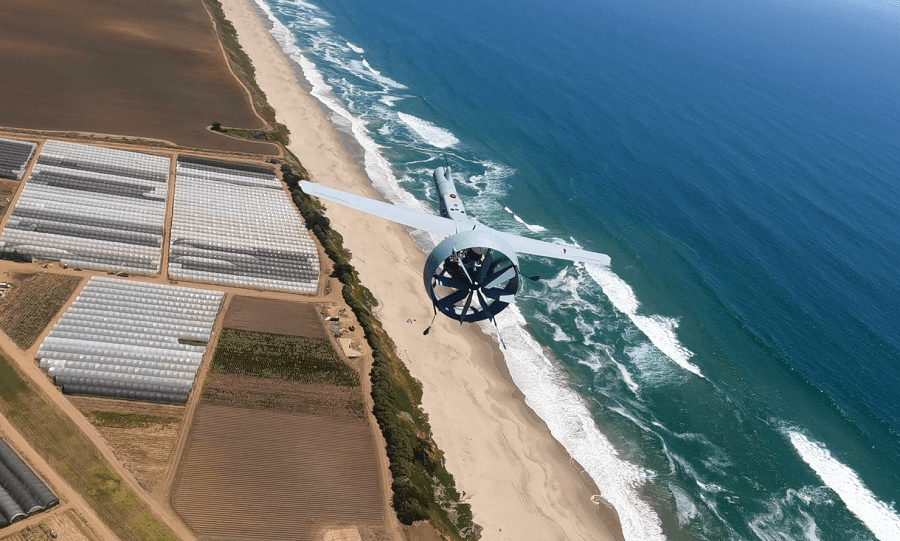
Shield AI is making waves with a $2 billion funding round, led by Advent International, pushing its valuation to $12.7 billion. The acquisition of flight simulation company Aechelon paints a picture of an ambitious strategy. But is it enough?
In a move that raises eyebrows and expectations, Shield AI Inc. announced a staggering $2 billion funding round, catapulting its post-money valuation to $12.7 billion. Led by the private equity giant Advent International, this significant financial injection positions Shield AI squarely in the spotlight. Yet, it begs the question: is this an audacious bet on innovation, or just another example of inflated tech optimism?
Advent and Blackstone Shape the Deal
Advent International is providing three-quarters of the capital through a Series G round, while the remaining $500 million comes from Blackstone in the form of preferred equity. This dual-source funding illustrates a strong confidence in Shield AI's future prospects. But how much of this confidence is based on solid ground rather than hype?
The focus here isn't just on the money. It's about what Shield AI plans to do with it. The acquisition of Aechelon, a leader in flight simulation technology, signals Shield AI's intent to expand its capabilities beyond its current defense technology scope. The intersection of AI and simulation could redefine how military training and operations are conducted. But let's not forget: slapping a model on a GPU rental isn't a convergence thesis.
Strategic Expansion or Overreach?
Shield AI's aggressive growth strategy charts a path toward industry dominance. Yet, with such a hefty valuation, expectations are sky-high. The acquisition of Aechelon is a strategic move, potentially enhancing their AI-driven flight solutions. However, ambitious expansions often come with pitfalls. Are we looking at a future leader in defense tech, or a company stretched too thin across ambitious projects?
Investors and industry watchers will be keenly observing the outcomes here. The fusion of AI with advanced flight simulation could indeed revolutionize military training protocols. But success will hinge on the efficiency and scalability of Shield AI's expanded offerings. Show me the inference costs. Then we'll talk.
The Road Ahead
The challenge for Shield AI isn't just technological. With a $12.7 billion valuation, every move will be scrutinized. The defense tech landscape is competitive, and maintaining such a valuation requires more than just potential. It demands delivery. The intersection is real. Ninety percent of the projects aren't.
In the coming months, Shield AI will need to demonstrate that it can integrate Aechelon's simulation tech effectively, scaling its operations without compromising performance. The big question remains: Can they deliver on the promise this funding round implies?
Get AI news in your inbox
Daily digest of what matters in AI.