S&P 500 Stands Firm: No Fast-Track for SpaceX
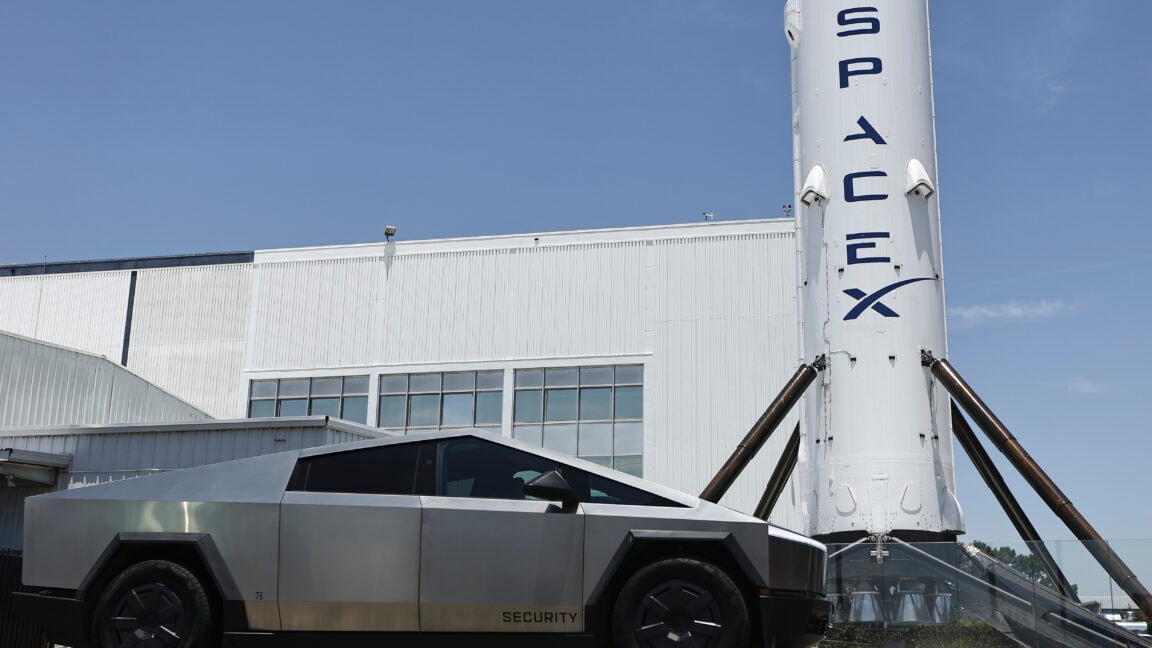
SpaceX's bid for a swift entry into the S&P 500 was denied, keeping the company from tapping into billions from passive investors. This decision underscores the index's commitment to established rules, highlighting the risks tied to speculative AI ventures.
SpaceX's ambitious attempt to make an expedited entrance into the esteemed S&P 500 index has hit a wall. On June 4, S&P Dow Jones Indices, the entity responsible for crafting and overseeing major stock market indices, opted not to allow a deviation from their established criteria. This move keeps Elon Musk's space and AI venture from accessing the substantial passive funds that automatically come with S&P 500 membership.
Sticking to the Rules
This decision isn't just a blow to SpaceX. It signals a firm stance by the S&P 500 against bending rules for headline-grabbing companies, regardless of their innovative edge. Had SpaceX been granted special treatment, it might've paved the way for other high-profile AI companies such as OpenAI and Anthropic to follow suit in their anticipated market debuts.
Financial markets thrive on stability, and the reluctance to make exceptions underscores the importance of adhering to principles that protect investors. Passive funds, heavily reliant on the indices, would have had to grapple with the volatility linked to SpaceX's investments in AI and its bold, some might say speculative, plans for orbital data centers.
Investor Implications
For those concerned about their retirement savings being linked to such risky endeavors, this comes as a sigh of relief. The AI sector, while promising, is currently navigating hurdles in securing funds and constructing costly data centers, not to mention the new usage-based pricing models that have caught users off guard. With construction delays affecting 40% of US data centers planned for 2026, it's clear that the sector's path is anything but smooth.
A Cautious Approach
Brussels moves slowly. But when it moves, it moves everyone. The decision to keep SpaceX out of the S&P 500, at least for now, is a reminder that even the most innovative companies must play by the rules. Is it fair for the index to prioritize stability over embracing transformative tech giants? Or is it just a prudent move to shield passive investors from potential market turbulence?
The enforcement mechanism is where this gets interesting. It shows a commitment to maintaining a balanced market environment, not swayed by the allure of pioneering companies that haven't yet reached the profitability thresholds set by the index.
Get AI news in your inbox
Daily digest of what matters in AI.