Sam Altman's Vision: Proactive AI on the Horizon
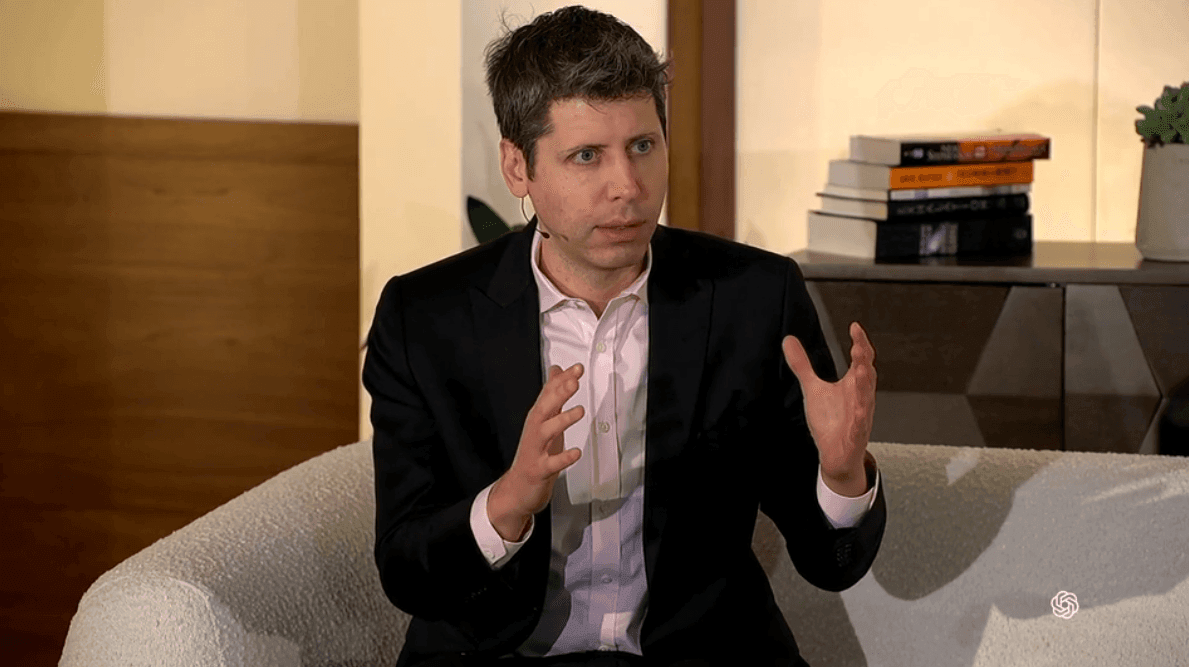
OpenAI's Sam Altman imagines a future with proactive AI, where machines work continuously and autonomously. This shift could redefine productivity, but it demands a cultural change in how we interact with technology.
OpenAI CEO Sam Altman is steering the course towards a future where AI doesn't just wait to be asked but acts autonomously in the background. Dubbed the 'proactive AI,' this next wave promises to shift machines from reactive assistants to independent operators.
The Autonomous Shift
The AI-AI Venn diagram is getting thicker. Altman's vision isn't just a mere upgrade from chatbots and agents. It's a convergence where AI systems are expected to anticipate needs and act without explicit instructions. This approach could significantly impact productivity, especially in environments where time and precision are key.
Why should anyone care? Because this proactive AI could redefine how businesses operate, going beyond efficiency to uncovering entirely new business models. Imagine an AI that schedules meetings, manages supply chains, or even innovates product lines autonomously. That's not just a technical leap. it's a cultural shift in how we perceive and interact with machines.
The Economic Equation
However, there's a financial side to this story. The compute layer needs a payment rail. As companies grapple with escalating AI costs, Altman's proposition is enticing: more value for less spend. But can proactive AI truly deliver on its promise of cost-effectiveness? This isn't just about smarter algorithms. it's about smarter investments and infrastructure.
The economic implications are profound. If AI can autonomously optimize operations, the potential savings could be immense. But this requires trust and transparency. If agents have wallets, who holds the keys? Companies must wrestle with not just how to implement such systems, but how to monitor and regulate them.
The Cultural Hurdle
Yet, for proactive AI to reach its potential, humans need to adapt. Altman points out a fundamental issue: most employees simply don't know what to ask AI. This gap highlights a need for education and a shift in workplace culture. If businesses want to harness this proactive power, they must invest in training their workforce to engage with AI in new ways.
This isn't a partnership announcement. It's a convergence of technology and human processes. Proactive AI demands a reevaluation of roles, as it could render some tasks obsolete while creating new opportunities. The question now is, are companies prepared to embrace this shift, or will they hold on to the traditional ways of interaction?
Altman's proactive AI is more than a glimpse into the future. It's a call to action for companies to rethink how they integrate AI into their operations. The stakes are high, but the potential rewards could reshape industries.
Get AI news in your inbox
Daily digest of what matters in AI.