Sacks Steps Back but Remains Trump's AI Strategy Architect
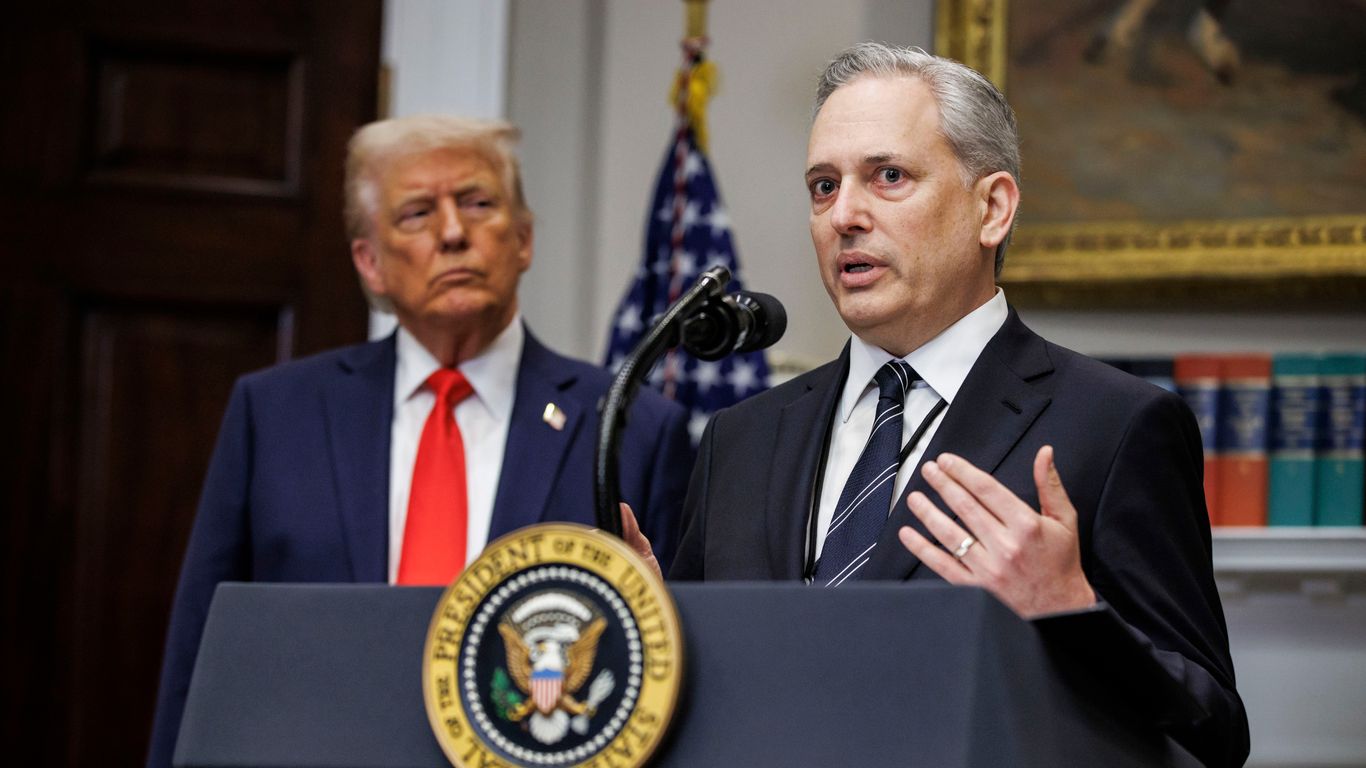
David Sacks, once President Trump's chief AI architect, steps outside the White House while maintaining significant influence over AI policy, highlighting a strategic shift in Republican AI engagement.
David Sacks, renowned for his close ties with Silicon Valley, has decided to step away from his formal role as President Trump's chief AI architect. Yet, even from beyond the confines of the White House, his influence on AI policy remains strong, a fact that hasn't gone unnoticed by those wary of unbridled AI growth.
Shifting the AI Influence
With Sacks transitioning to the role of co-chair of the President's Council of Advisors on Science and Technology, he sheds some of the government-imposed ethical constraints. This change, however, keeps him firmly planted at the center of Trump's AI agenda, albeit with more freedom to maneuver. As the AI industry evolves rapidly, it's clear that having someone with Sacks' background and freedom will shape the administration’s strategies significantly.
The AI Act text specifies roles and responsibilities that align well with Sacks' deregulatory approach. Interestingly, while some officials appreciate this distance, citing growing voter apprehension about AI, Sacks' departure isn't without criticism from within Republican circles. The sentiment is that his deregulatory stance might clash with the concerns of a voter base increasingly skeptical of unchecked AI advances.
Republican AI Dynamics
Despite stepping back, Sacks isn't exactly retreating from influence. He has recently launched the Innovation Council Action, a $100 million initiative aimed at pushing forward the Trump administration's AI agenda. But can this initiative harmonize with the growing conservative caution towards AI development?
Critics, including former Trump adviser Steve Bannon, argue that Sacks' deregulatory policies have faced significant setbacks. Failed attempts to prevent states from regulating AI and a contentious stance towards China have left Sacks facing criticism from some quarters. Moreover, his investments, such as those in SpaceX, highlight potential conflicts that might be better handled away from a formal government role.
Continuity in AI Vision
Yet, despite these controversies, Sacks' departure is more symbolic than substantive. His continued access to President Trump and influence over AI policy is undisputed. White House officials, including chief of staff Susie Wiles and National Economic Council head Kevin Hassett, have appointed Sriram Krishnan to focus on AI and the economy, ensuring that the strategic continuity Sacks advocated for remains intact.
One might wonder how this will affect the broader AI policy debate among Republicans. The White House remains aligned with Sacks' vision, even as internal debates intensify. The administration's recent ratepayer protection pledge serves as a nod to voter concerns but is it enough to quell the growing unease?
As AI policy continues to be a hot topic, the question remains: can the Trump administration balance innovation with regulation in a way that satisfies both Silicon Valley and an increasingly skeptical voter base?
Get AI news in your inbox
Daily digest of what matters in AI.