RSAC 2026: AI's Promises Clash with Security Realities
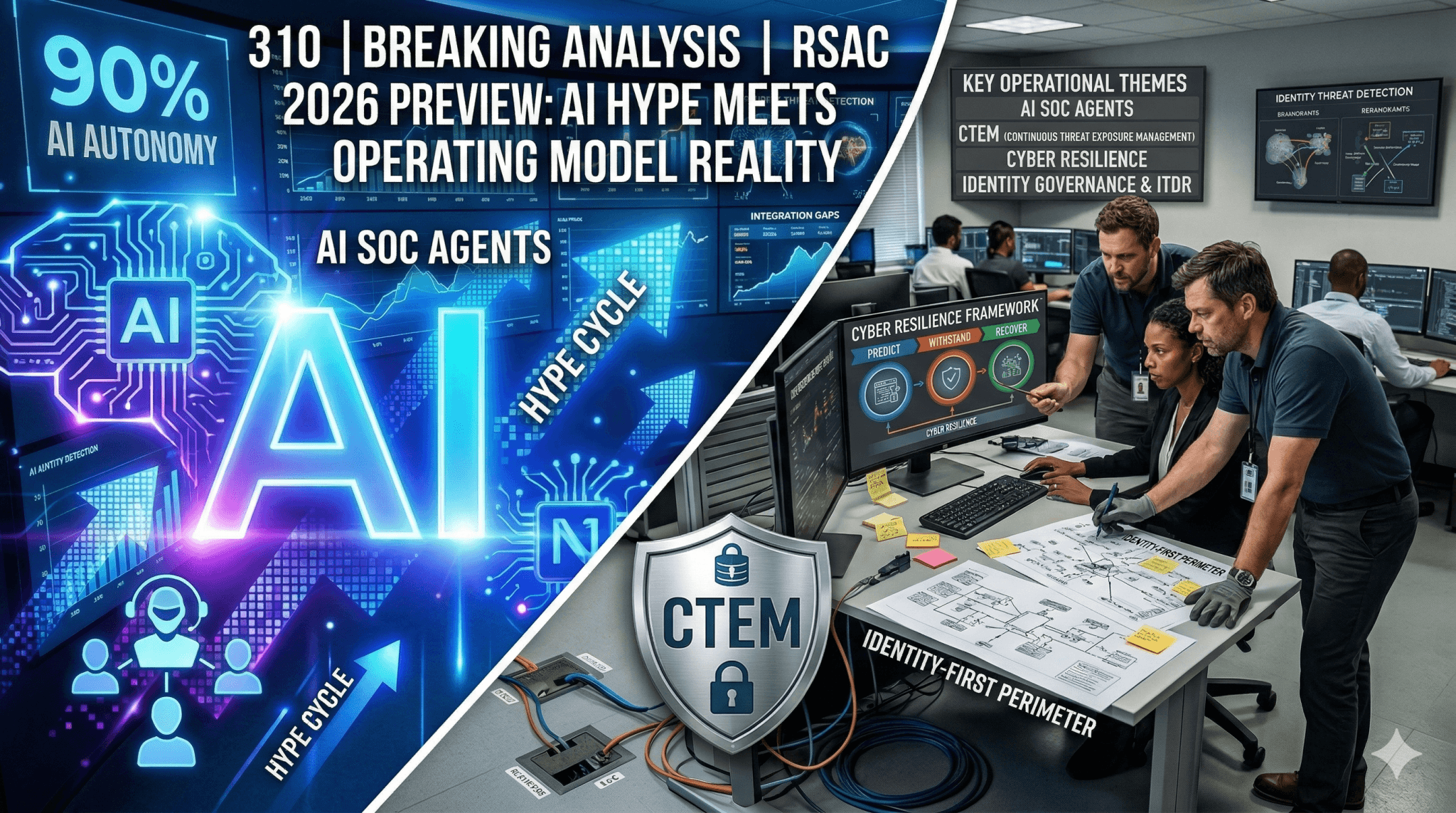
As RSAC 2026 unfolds in San Francisco, the spotlight is on AI's role in cybersecurity. Amidst the excitement, security leaders face the challenge of integrating AI into an increasingly complex environment.
This week, the RSAC 2026 conference in San Francisco is set to capture the tech world's attention, with artificial intelligence taking center stage. While the narrative that 'AI will change everything' is likely to echo through the halls, the reality for many security leaders is far more nuanced.
AI's Bold Promises
it's no secret that AI holds significant potential for revolutionizing cybersecurity. Proponents argue that AI can enhance threat detection, speed up defenses, and adapt to evolving risks faster than human analysts ever could. However, the real challenge lies in the implementation. As AI systems become more sophisticated, so too does the complexity of integrating them into existing security frameworks.
Reading the legislative tea leaves, there's an undeniable push for AI adoption across various sectors. Yet, the calculus for cybersecurity professionals isn't straightforward. They must balance the promise of AI with the reality of operational hurdles, such as legacy systems and data privacy concerns. According to two people familiar with the negotiations, the timeline for easy integration is still uncertain.
The Realities of Implementation
Despite the hype, implementing AI solutions in real-world security environments is fraught with challenges. For starters, the existing infrastructure in many organizations can be a significant barrier. Companies can't simply plug in an AI tool and expect immediate results. There's a need for ongoing training, tuning, and oversight of AI models to ensure they function as intended.
The question now is whether companies are prepared to make this investment. With the rapid pace of technological change, some argue that organizations may be tempted to rush into AI adoption without fully understanding its implications. But can they afford not to? As cyber threats grow in sophistication, the pressure to innovate is mounting.
A Cautious Path Forward
AI isn't a panacea for all cybersecurity woes. Spokespeople didn't immediately respond to a request for comment, but industry insiders suggest a cautious approach. Organizations must weigh the benefits of AI against the potential risks of improper implementation. The bill still faces headwinds in committee, as policymakers grapple with regulating an increasingly complex tech landscape.
In a world where data breaches are becoming more frequent, the integration of AI into cybersecurity isn't just a technical endeavor but a strategic one. The implications of getting it wrong could be costly. As the RSAC 2026 conference progresses, attendees will no doubt be seeking answers to these pressing questions. The path ahead is uncertain, but one thing is clear: the stakes have never been higher.
Get AI news in your inbox
Daily digest of what matters in AI.
Key Terms Explained
The science of creating machines that can perform tasks requiring human-like intelligence — reasoning, learning, perception, language understanding, and decision-making.
A mechanism that lets neural networks focus on the most relevant parts of their input when producing output.
The process of teaching an AI model by exposing it to data and adjusting its parameters to minimize errors.