Robots on the Rise: Jobs or Just Hype?
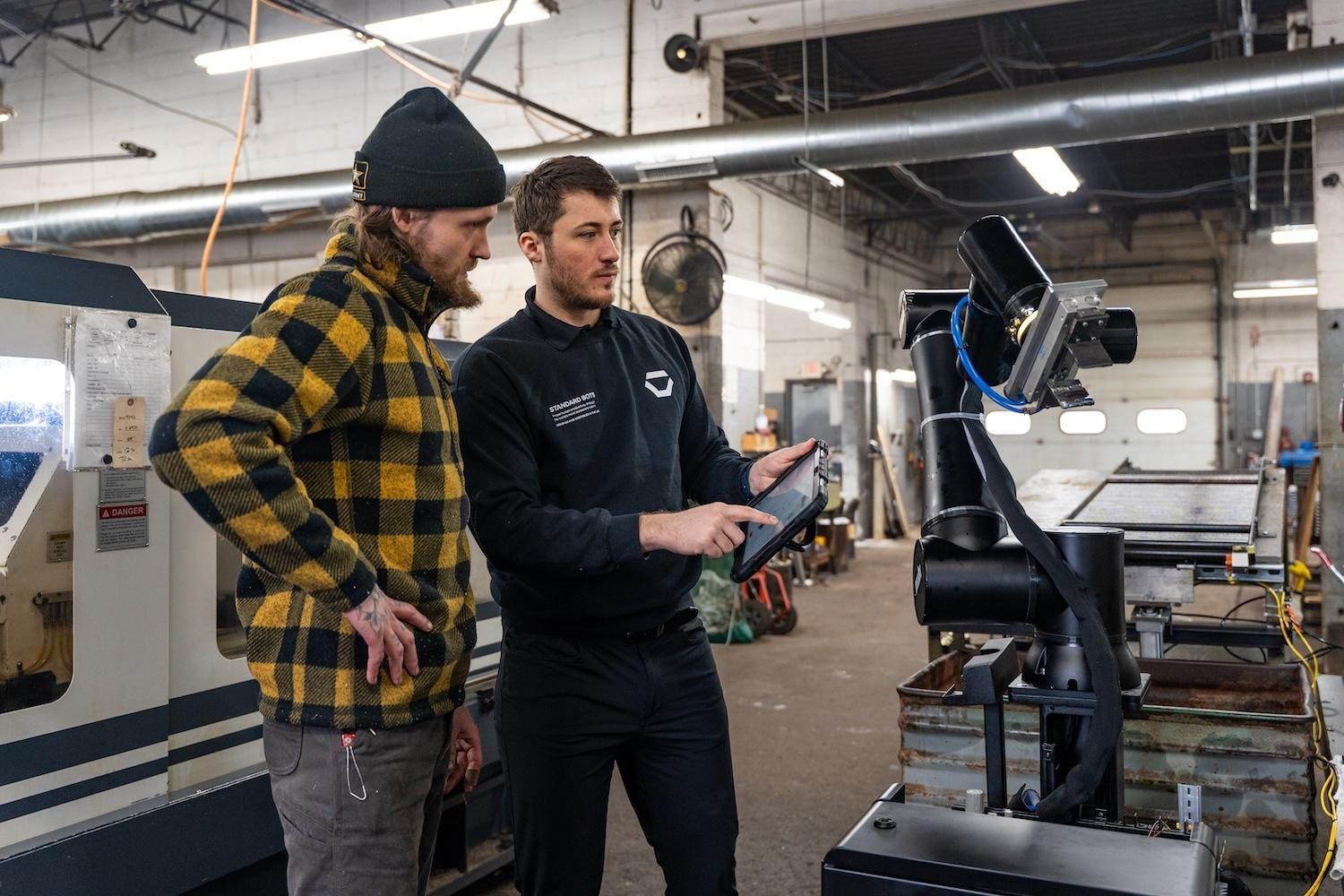
A robotics company claims more robots mean more jobs, backed by a $200M funding round. But is that really the case?
In a world where automation often spells doom for traditional jobs, a robotics company is singing a different tune. They just secured $200 million in funding and are valued at a cool $1 billion. Their pitch? More robots equal more jobs. It's a bold claim that raises eyebrows and questions in equal measure.
The Funding Frenzy
There's no doubt that $200 million is a hefty amount. It's a testament to the market's bullish outlook on robotics. But what exactly are investors buying into? This company's vision suggests that robots won't replace us but will work alongside us. A symbiotic relationship where humans focus on creativity and complex problem-solving while robots handle the grunt work.
Yet, this rosy picture comes with caveats. Who's really benefiting from this partnership? If robots are taking over repetitive tasks, does that mean a shift in job requirements? Are we gearing up for a workforce that needs advanced training just to stay employed?
Jobs and Automation: A Paradox
The claim that more robots create more jobs isn't new. But slapping a model on a GPU rental isn't a convergence thesis. Automation inherently increases efficiency, often reducing the need for human labor in specific areas. So, how does this company plan to balance the scales?
For starters, they envision a future where humans and robots collaborate, leading to new roles in robot maintenance, AI oversight, and more. This transition could indeed spawn new job categories. But is the workforce ready for this shift? And more importantly, are companies willing to invest in the necessary upskilling?
The Bigger Picture
While the company boasts a $1 billion valuation, it's essential to look beyond the numbers. Valuations can be vaporware without real-world impact. The intersection is real. Ninety percent of the projects aren't. It's easy to be seduced by the promise of innovation, but what's the ground reality?
The truth is, automation is an unstoppable force. It's shaping industries, redefining roles, and altering economies. The real question is, do we've the infrastructure to support this shift? If the AI can hold a wallet, who writes the risk model? The future of work is indeed intriguing, but it's also fraught with challenges that need addressing today.
Get AI news in your inbox
Daily digest of what matters in AI.