Robots in the Warehouse: Picking Efficiency Gains Ground
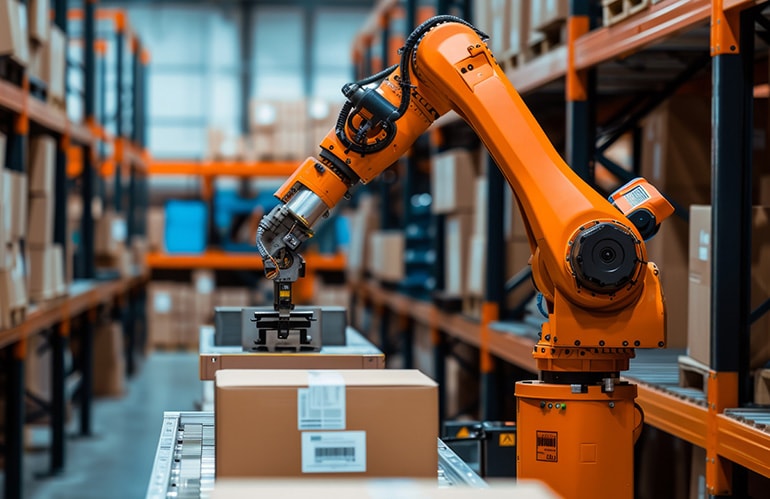
Automation in warehouses is advancing with robotic case and each picking technologies. A webinar explores how robots, alongside humans, are transforming order fulfillment, making it faster and more efficient.
logistics, speed and accuracy are key. It's no wonder that robots are becoming a staple in warehouses. Traditionally, humans outpaced robots in picking individual SKUs and cases. However, the tide is turning as robots are now enhancing productivity in ways that weren't imaginable a few years ago.
Robots and Humans: A Collaborative Future
A recent webinar highlighted the evolving dynamics in warehouse automation. The integration of robotic grippers, machine vision, and artificial intelligence is setting a new benchmark in picking and placing tasks. This shift isn't just about replacing humans but augmenting their capabilities. As labor costs continue to rise and the workforce ages, the demand for efficient robotic solutions grows.
Why does this matter? The simple answer lies in the numbers. The ROI isn't in the model. It's in the 40% reduction in document processing time. Robots working alongside humans can significantly boost productivity, reduce errors, and minimize injuries associated with repetitive tasks. Enterprise AI is boring. That's why it works.
Challenges and Innovations
Despite the progress, challenges remain, especially when dealing with varied shapes, materials, and weights. The webinar explored these challenges and how companies are overcoming them with physical AI. For instance, automated arm precision has improved dramatically, allowing for better manipulation of delicate or irregularly shaped items.
In essence, the container doesn't care about your consensus mechanism. But efficiency, every second saved counts.
The Experts Leading the Charge
Industry experts like Annie Bowlby from RightHand Robotics, Gina Chung of Locus Robotics, and Josh Cloer from Nomagic are at the forefront of this transformation. Their efforts aren't just about deploying technology but scaling it effectively to meet global demands.
Bowlby’s work focuses on cross-functional collaboration to deliver value through innovative technologies. Meanwhile, Chung's strategic initiatives at Locus Robotics are reshaping warehouse automation on a global scale. Cloer's experience at Nomagic emphasizes expanding the footprint of physical AI solutions in North America.
These leaders exemplify how strategic thought and technological innovation are bridging gaps in logistics. As automation becomes more integrated, one has to wonder, is this the beginning of a fully automated warehouse era? Nobody is modelizing lettuce for speculation. They're doing it for traceability.
As these changes unfold, the implications for supply chain visibility and efficiency are profound. The future of logistics isn't just about deploying more robots but about creating adaptive systems that can evolve with the market's needs.
Get AI news in your inbox
Daily digest of what matters in AI.