Robots in Manufacturing: Partners, Not Replacements
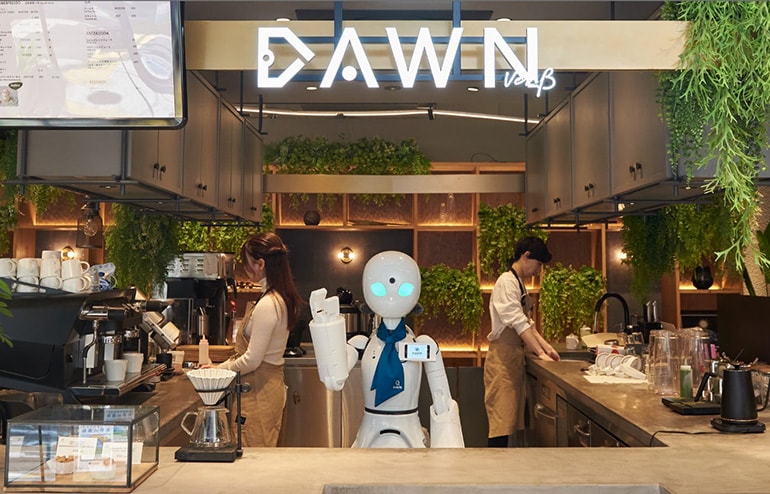
In Japan, robots are opening doors for people with disabilities, challenging the notion that automation replaces workers. As manufacturing evolves, it’s about collaboration between humans and machines.
In Tokyo, where robots are often seen as replacements for human workers, something interesting is unfolding. A café has reversed the script by employing robots operated remotely by people with disabilities. It's a glimpse into the future of work where machines empower rather than replace.
More Than Just Efficiency
The narrative that robots will render human jobs obsolete is common. However, 2024 numbers tell a different story. With 542,000 robots installed globally that year, more than double a decade ago, the focus isn't just on efficiency anymore. Manufacturers now see robots as partners in improving quality, not just cutting costs. Over 53% are adopting robotics to boost production quality. But how can this tech bring more people into the workforce?
There's a shift happening. Instead of asking if AI will replace humans, the better question is, how can AI be integrated into processes to augment human capabilities? Robots aren't just about filling gaps in the workforce. They're about creating new opportunities for those who might have been sidelined by traditional job roles.
The Infrastructure Hurdle
Despite the optimism, many manufacturers aren't ready for a fully automated future. Around 70% of them still rely on manual data entry. That's a staggering number in an era where data is king. The challenge isn't just about integrating robots but understanding the nuanced actions and decisions of human workers. Capturing these actions in a way that robots can replicate is no small feat. It's like translating human instinct into binary code.
This isn't just about plugging in machines and pressing play. It's about reconfiguring workflows from scratch. Latin America doesn't need AI missionaries. It needs better rails.
Building A Future-Forward Workforce
The future isn't about robots taking over. It's about creating a workforce that can work alongside these machines. Skills like strategic thinking, creativity, and problem-solving will be invaluable. As robots handle routine tasks, humans can focus on strategic leadership and building relationships. But let's not forget, in some sectors, human dexterity is irreplaceable, like assembling delicate components in mobile phones.
Robots are here to enhance, not erase, the human element in manufacturing. It's time we stop framing the conversation around robots as a zero-sum game. Instead, let's see it as a collaboration where both humans and machines contribute to a more efficient, inclusive, and innovative future.
Get AI news in your inbox
Daily digest of what matters in AI.