Robots in Manufacturing: Allies, Not Adversaries
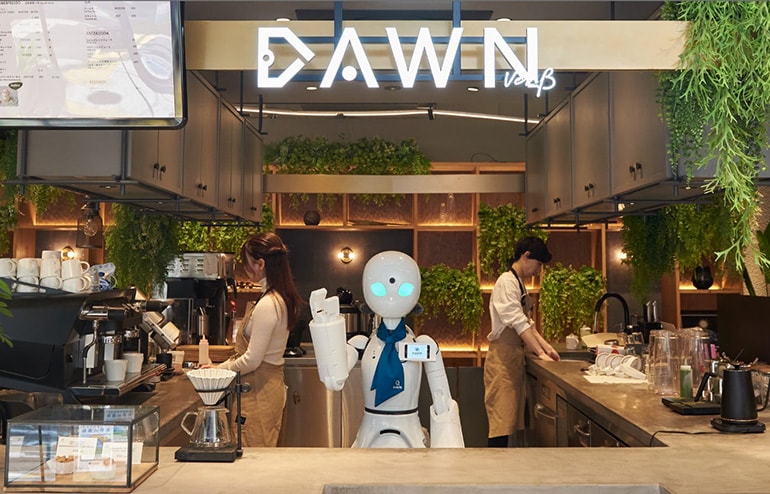
Robots aren't here to replace human workers, but to collaborate with them. By integrating AI and robotics, manufacturers can enhance productivity while expanding job opportunities for those with disabilities.
In the bustling streets of Tokyo, a unique café is challenging our perceptions about automation's impact on employment. At the Dawn Café, robots are operated remotely by individuals with disabilities, showcasing a new form of workforce inclusion that hints at the future of manufacturing.
Robots: Partners in Progress
The fear that robots will replace human labor isn't unfounded. With 542,000 units installed in 2024 alone, the robotics industry is booming. However, the narrative that they merely displace jobs misses the mark. Robots can, in fact, be force multipliers in the workspace, bringing more people into the fold rather than pushing them out.
Consider the data from the International Federation of Robotics, which shows that robot installations have more than doubled over the past decade. Yet, the focus shouldn't be on replacement, but on integration. Over half of global manufacturers, 53% to be precise, are already turning to robots for improving quality rather than cutting workforce numbers.
Navigating the Infrastructure Gap
Why is the full-scale replacement of human labor by robots impractical? The primary challenge lies in the infrastructure. Most manufacturers today lack the IT backbone necessary for implementing sophisticated AI and robotics. A staggering 70% still rely on manual data entry, highlighting a significant technological gap.
Two hurdles are particularly daunting. First, robots must understand the intention behind human actions, not just the actions themselves. Second, these intentions need to be translated in a way that robots can execute effectively. Recent advancements in motion sensors and generative AI have made strides, but the journey is far from over.
The real challenge lies in capturing the tacit knowledge of seasoned factory operators, whose expertise is often instinctual. Bridging this gap is critical if manufacturers aspire to true autonomy in their robotics systems.
Training the Workforce of Tomorrow
The narrative of robots as job thieves misses a important point: human skills are more essential than ever. Strategic thinking, creativity, and problem-solving are foundational for redesigning workflows around robots and AI. As robots take on more transactional tasks, human workers can focus on roles that require strategic leadership and oversight.
Panasonic's pilot program with OryLab has shown promising results. Their OriHime robots have enabled workers with disabilities to participate in operations, with 94% of respondents viewing their abilities positively. This isn't just inclusion. it's innovation.
But how do we ensure that this collaboration is successful? Safety protocols must take precedence, followed by productivity. Training programs should emphasize these priorities, equipping workers with the skills to manage AI tools effectively.
If robots have wallets, who holds the keys? In our rush to automate, let's not lose sight of the human element. The future of manufacturing is one where humans and robots work side by side, each enhancing the capabilities of the other.
Get AI news in your inbox
Daily digest of what matters in AI.