Robots Are Getting Smarter, But Don’t Expect A Llama Moment
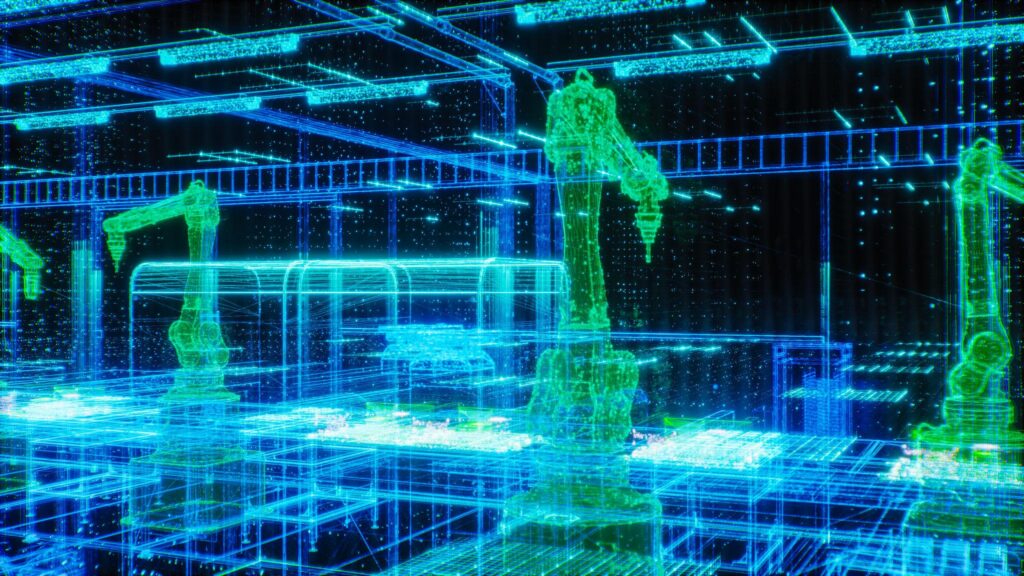
Robots are downloading brains like never before, but adapting them to real-world tasks remains a tricky affair. Here's why we won't see a rapid breakthrough.
JUST IN: Robots might be getting smarter, but don't hold your breath for a quick revolution. Sure, Google's Open X-Embodiment project and NVIDIA's GR00T releases are making robot policies more accessible, but adapting these models to real-world tasks still brings challenges.
Policies on the Rise
Google DeepMind's projects and NVIDIA's distribution strategy are making it easier for developers to get their hands on complex robot models. The Gemini Robotics models split tasks across different layers, turning visual inputs into actions. Meanwhile, NVIDIA's GR00T pushes these models into developer channels like Hugging Face. This means more brains are ready to download, but the real test is making them work on specific robots.
Skild AI's $1.4 billion funding for an omnibodied model and other massive rounds signal big bets on adaptable robot intelligence. But can these models really be reused across different systems?
The Real Test: Adapting to New Terrain
While these models promise flexibility, they often stumble in the real world. Robots face new issues when the setup changes slightly. Imagine a robot trained under perfect conditions, it might crash when a fixture moves slightly or when dust builds up over time. Domain randomization and simulation help, but they can't account for every little change a robot might encounter on the job.
Embodiment-aware models try to tackle some of these problems by incorporating detailed kinematic and dynamic information. But the wear and tear on robots means any measurement quickly becomes outdated. How do you get a policy to adjust when the world changes faster than the model?
Lessons from the Line
NVIDIA's attempt to use first-person human video for training hints at a new direction. But even with all this data, the challenge remains: logs and simulations might not capture the nuances of a real-world failure. The best data often comes after something goes wrong, when teams diagnose what really went awry.
And just like that, the leaderboard shifts. Companies pulling fault data from actual deployments might learn more than those sticking to simulation. But the fragmented nature of robot tasks across industries keeps the dream of easy transfer elusive.
In the end, the robotics world is inching closer to a breakthrough, but the fragmented nature of tasks and data means we're not quite there yet. The real win will come when teams can adapt these models to their unique robots and still understand failures weeks down the line. Until then, the labs are scrambling, and the future remains wild.
Get AI news in your inbox
Daily digest of what matters in AI.