Robots and Humans: A Collaborative Future in Manufacturing
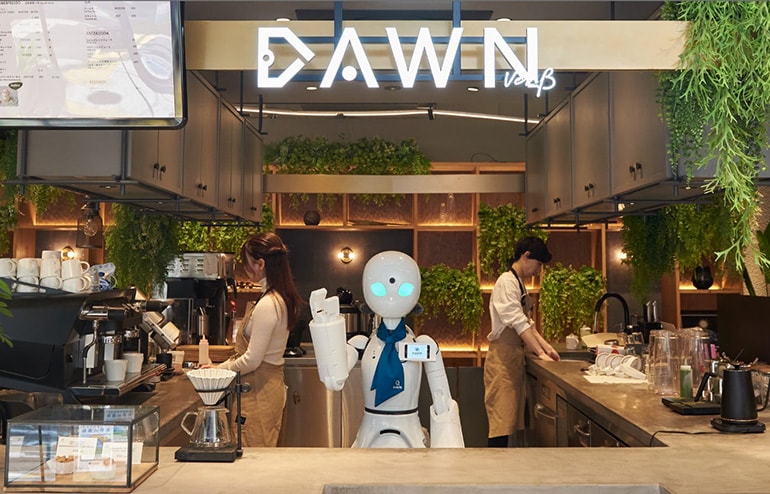
In manufacturing, robots aren't replacing humans, but enhancing their roles. As AI evolves, its integration into industry opens doors for inclusivity and innovation.
In the bustling streets of Japan, a quiet revolution is taking place in the field of robotics. The Dawn cafe, where robots are remotely operated by individuals with disabilities, is showcasing a new narrative: robots can be a bridge to employment rather than a barrier. This model is gaining traction in manufacturing, redefining what automation means.
Beyond Replacement: The Role of Robots
In 2024 alone, 542,000 robots were installed globally, marking a significant increase over the past decade, according to the International Federation of Robotics. This uptick underscores a shift in perception. Robots, once seen as mere tools of efficiency, are now being recognized for their potential to enhance human capabilities.
Yet, the narrative of replacement persists. it's a misconception that overlooks the technological gaps in the industry. Manufacturing still relies heavily on manual data collection, with 70% of data captured by hand, highlighting the inefficiencies that robots could address. But why stop at replacement when collaboration can unlock greater possibilities?
Human Skills: The Key to Integration
For true integration of AI in manufacturing, the focus must be on human skills. Strategic thinking, problem-solving, and creativity are essential as robots take on more routine tasks. This shift allows human workers to engage in roles that demand these irreplaceable cognitive abilities.
Interestingly, fields such as mobile phone manufacturing still require human dexterity for certain tasks. This necessity underscores the ongoing partnership between man and machine, where human intuition complements robotic precision.
In the coming years, the training of robots to handle complex tasks will require skilled guidance. Whether on the workshop floor or via remote operation, this mentorship is important to the evolution of robotics in industry.
A Future of Collaborative Productivity
The future of manufacturing workforce is one of collaboration. Reskilling and training are imperative to prepare for a landscape where AI augments rather than replaces human effort. The real challenge lies in maintaining a balance between safety, quality, and productivity. Prioritizing safety ensures a sustainable and ethical integration of robots into the workforce.
Robots, as demonstrated by Panasonic's use of OryLab's OriHime avatars, show that technology can enhance rather than replace. These initiatives reveal a promising future where inclusivity and efficiency go hand in hand.
Ultimately, the narrative must shift from robots as competitors to partners. As AI continues to evolve, the question isn't whether humans will be replaced, but how they'll work alongside technology to create a more innovative and inclusive industry.
Get AI news in your inbox
Daily digest of what matters in AI.