Robotic Arms Revolutionize CNC Machine Operations
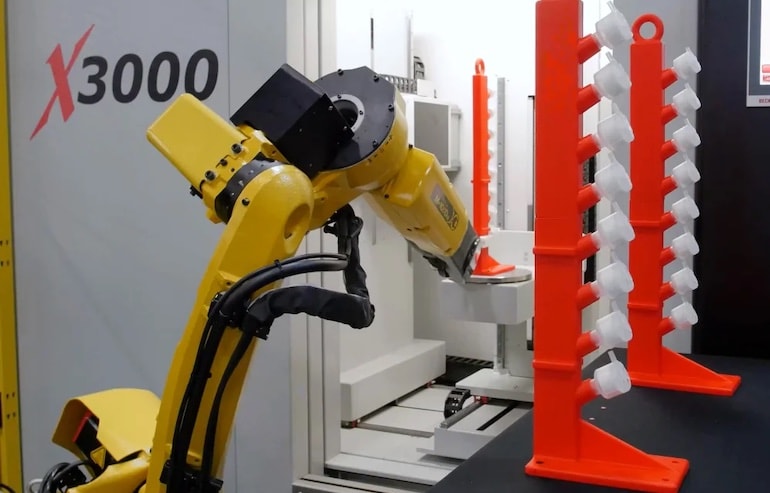
The integration of robotic arms with CNC machines is transforming manufacturing, increasing efficiency, and reducing reliance on human labor. As technology evolves, robots could take on even more complex roles.
Robotic arms are no longer just a fixture beside CNC machines. they're reshaping the manufacturing floor. What began as isolated automation has evolved into a smooth integration, where robotic arms load raw materials, transfer them between machines, inspect finished parts, and manage downstream operations without human input.
The Shift to Autonomous Manufacturing
The AI-AI Venn diagram is getting thicker. Traditional CNC environments relied heavily on human intervention, but labor shortages and skill gaps are driving the shift towards robotic machine tending. A Deloitte study highlights this, noting up to 1.9 million manufacturing positions may remain unfilled by 2033. Robots address this gap, offering a new level of efficiency.
CNC machines, often sitting idle outside labor hours, come alive with robotic arms. Lights-out manufacturing becomes a reality. This isn't a partnership announcement. It's a convergence. Robots eliminate human variability, ensuring each part is handled with precision, reducing scrap and rework.
Industry Leaders Pioneering Change
FANUC, Universal Robots, KUKA, ABB, and RoboDK are spearheading this transformation. FANUC's ROBODRILL systems, for instance, boast a 33% efficiency gain, highlighting the tangible benefits of robotic integration. Meanwhile, Universal Robots' cobots enhance small and midsize operations without the need for safety caging, boosting output and reducing costs.
In high-precision sectors like aerospace and defense, KUKA's integration with CNC systems ensures no deviation in component placement, maintaining the exacting standards required. The compute layer needs a payment rail, and these companies are building the financial plumbing for machines.
The Future of CNC is Autonomous
As artificial intelligence matures, robots could evolve from executing fixed tasks to making autonomous decisions. Imagine a robot that not only loads parts but also monitors spindle loads and detects tool wear in real-time. If agents have wallets, who holds the keys? The question isn't if robots will take on more roles, but when.
The path forward is clear: enhanced autonomy in manufacturing processes. The companies leading this charge are setting the stage for an era where machines not only work harder but smarter, redefining the boundaries of what's possible in manufacturing.
Get AI news in your inbox
Daily digest of what matters in AI.