Robotaxis: The Future of Urban Commutes or Just Another Ride?
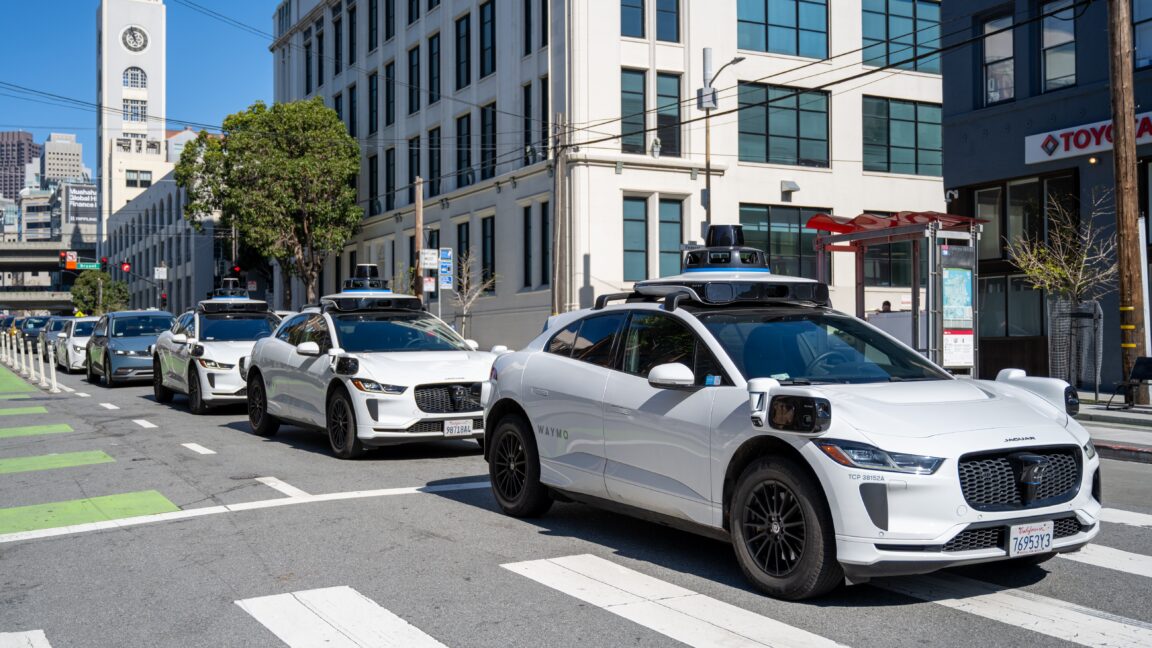
Robotaxis promise safer roads and reduced traffic, yet the reality may be more complex. Are they truly the urban saviors we envision?
The concept of robotaxis, once a staple of science fiction, is now rolling through the streets of select American cities. It's been just over a decade since the DARPA Grand Challenges, and now we find ourselves in a world where Waymo's commercial service in California offers a glimpse into this autonomous future. Although initially a safety driver was present, the progress is evident.
Safety First, or Is It?
Proponents of robotaxi technology, which has attracted over $100 billion in investment, argue that these vehicles are safer than their human-driven counterparts. Waymo's data, in fact, reported significantly fewer crashes and lower insurance claims. However, the recent incidents involving school buses and flooded roads highlight that perfection is still a distant goal. If agents have wallets, who holds the keys to their safe navigation?
Traffic Woes Unresolved
Beyond safety, robotaxis are touted as a solution to urban traffic congestion. Nonetheless, data from Waymo's reports to the California Public Utilities Commission reveals an inconvenient truth: robotaxis don't alleviate traffic any more effectively than ride-hailing services like Lyft and Uber. The AI-AI Venn diagram is getting thicker, but is it solving the right problems?
The Road Ahead
So, what's the verdict? Are robotaxis the vehicular evolution we've been waiting for, or just another cog in the urban mobility machine? The answer isn't clear-cut. While the technology is undeniably advanced, its ability to transform urban transportation remains in question. As we move forward, we must ask ourselves what role these autonomous agents will truly play in reshaping our cities. And if the compute layer needs a payment rail, who's building the financial plumbing for machines?
Get AI news in your inbox
Daily digest of what matters in AI.