Richard Sutton's Critique: Why Generative AI Falls Short in Science
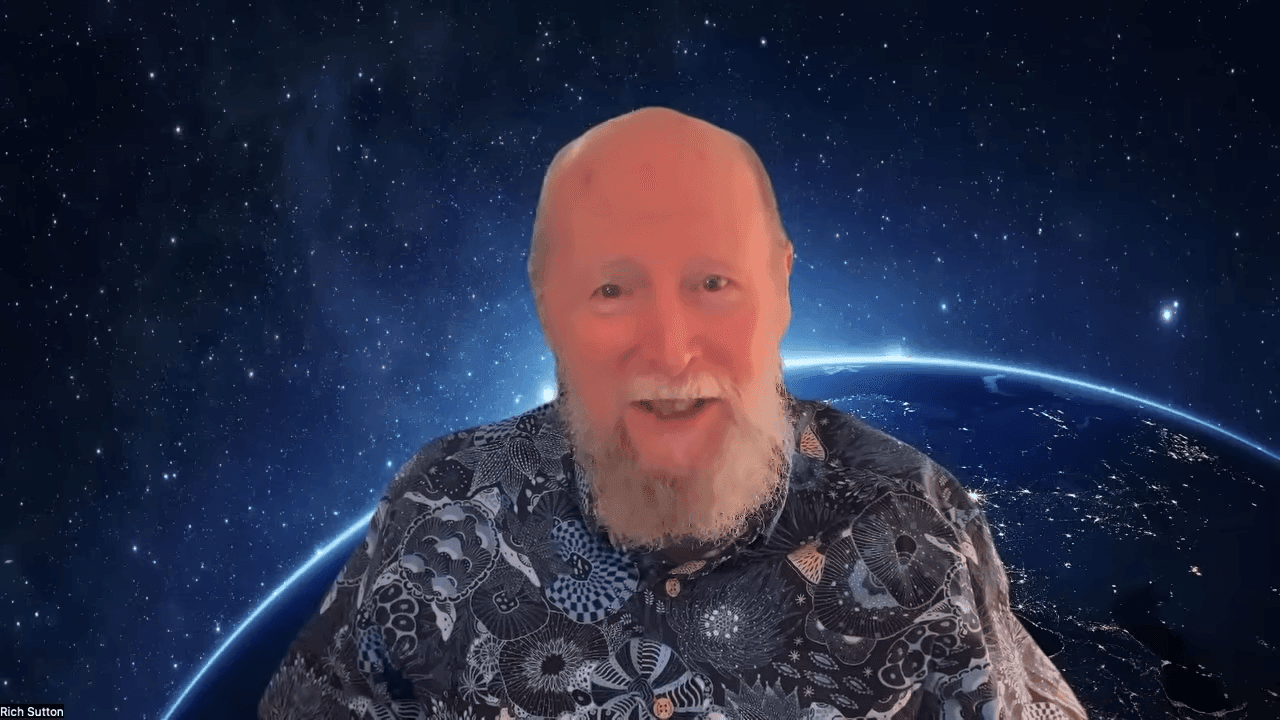
Richard Sutton, Turing Award winner, argues generative AI lacks self-evaluation, hindering true scientific discovery. Can current AI models evolve beyond mimicry?
Richard Sutton, a notable figure in AI with a Turing Award to his name, has leveled a significant critique at generative AI models. According to Sutton, these models fall short one critical capability: evaluating their own outcomes. Without this self-assessment, the AI's potential for genuine scientific innovation remains untapped.
The Missing Link: Self-Evaluation
Sutton's argument centers on the notion that creativity in AI requires more than just generating new data. Systems like AlphaGo or AlphaProof illustrate that when AI can assess its results through built-in evaluation loops, it moves closer to true creativity. Without these loops, generative AI is like a student who can write essays but can't grade its own work. So, can today’s AI ever evolve into an agentic entity capable of scientific leaps?
Generative AI's Creative Limits
Generative AI models, such as those used in art and text, have certainly dazzled with their ability to create. But Sutton points out the flickering nature of their novelty. These systems often churn out the unexpected, yet fail to understand or improve upon their generated content. It's akin to slapping a model on a GPU rental and calling it a breakthrough. The intersection is real. Ninety percent of the projects aren’t.
Why This Matters
This critique isn't just academic nitpicking. The industry’s trajectory depends on breakthroughs in AI's evaluation ability. If AI systems can't judge their own work, how can they contribute to fields requiring rigorous experimentation and validation? Show me the inference costs. Then we'll talk about the real potential for AI in scientific discovery.
Sutton's analysis forces us to question the current path of AI development. Are we content with models that imitate creativity but can't achieve it? Or should we demand systems that can hold a virtual wallet, writing their own risk models and navigating uncertainty?
Get AI news in your inbox
Daily digest of what matters in AI.
Key Terms Explained
The process of measuring how well an AI model performs on its intended task.
AI systems that create new content — text, images, audio, video, or code — rather than just analyzing or classifying existing data.
Graphics Processing Unit.
Running a trained model to make predictions on new data.