Revolutionizing Robotics: The Fast Hands of 1X's Neo
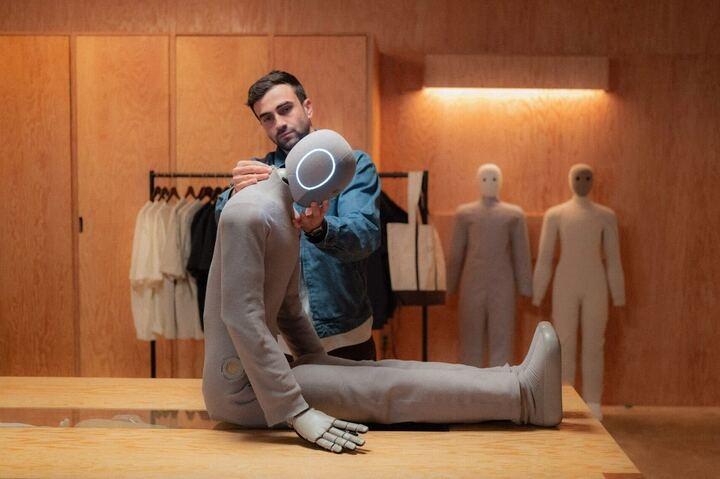
1X's Neo showcases unprecedented speed in robot hand technology, hinting at new possibilities for humanoid robotics. But can these advancements translate from lab to real-world application?
In the rapidly evolving world of robotics, the capabilities of robot hands often determine the practical utility of humanoid robots. The latest innovation from 1X, known as Neo, presents a significant leap forward with hands that outpace any seen before. Observing Neo's hands in action, one can't help but wonder if this marks a turning point for humanoid robots.
The Pinnacle of Speed
The speed at which Neo's hands operate is more than just impressive, it's unprecedented. This isn't just about flashy demonstrations. Precision matters more than spectacle in this industry. Fast and nimble robot hands can handle a wider range of tasks, enhancing their potential in both industrial and service applications. However, as always, the demo impressed. The deployment timeline is another story.
The Challenges of Real-World Application
While Neo's hands may currently lead the pack speed, transforming this potential into practical applications is where the real challenge lies. On the factory floor, the reality looks different. Real-world environments are unpredictable and demanding, requiring not just speed but also adaptability and reliability from robotic hands. The gap between lab and production line is measured in years, and Neo must bridge this to realize its potential.
Implications for Humanoid Robotics
It's clear that advancements like those seen in Neo offer exciting prospects for the future of humanoid robots. Yet, Japanese manufacturers are watching closely, as are industry leaders worldwide, to see if such technological breakthroughs will translate into reliable production tools. It's a common crossroads in robotics development, balancing latest innovation with the grounded demands of manufacturing.
Looking forward, one must ask: Will Neo's impressive speed and design be enough to overcome the inherent challenges of real-world deployment? If 1X can navigate this transition successfully, it could redefine what humanoid robots are capable of and expand their roles across various sectors, from manufacturing to customer service.
Only time and rigorous testing will determine if Neo represents a fleeting glimpse of potential or a genuine leap forward in robotics. For now, the industry is left with anticipation and high expectations.
Get AI news in your inbox
Daily digest of what matters in AI.