Revolutionizing 3D Design: Language Models Control the Unseen
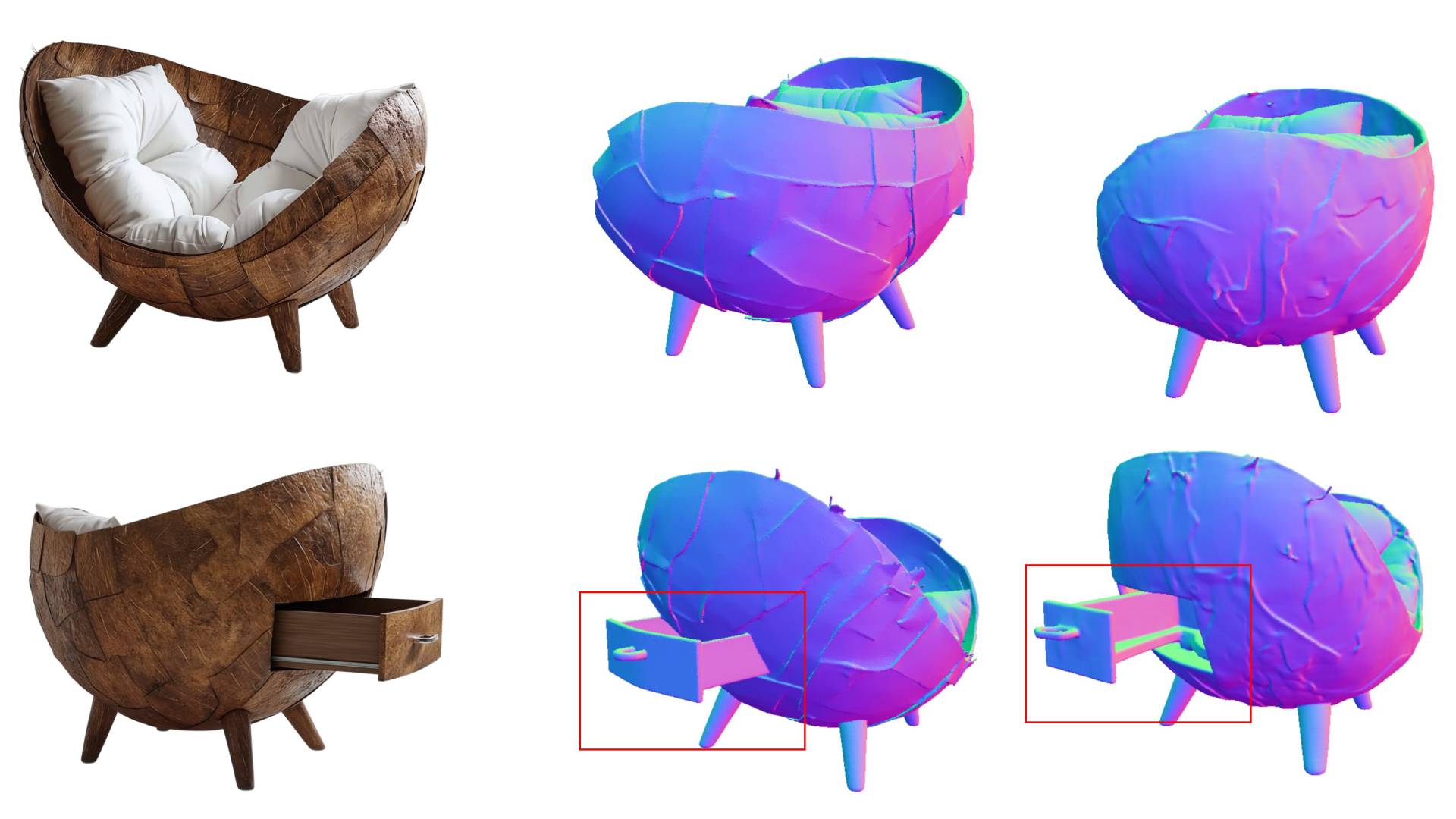
A new approach allows designers to manipulate unseen parts of 3D objects using language models, bridging a significant gap in 3D generation.
In a remarkable leap for 3D design, a research team has harnessed the capabilities of large language models to address a long-standing issue in 3D object creation. By using simple text commands, designers can now control the hidden aspects of 3D objects, a essential development in single-image 3D generation.
Bridging the Blind Spot
Traditionally, one of the most challenging aspects of 3D design has been the lack of control over the hidden sides of objects. This gap often left designers with incomplete or unsatisfactory models. However, this new approach, dubbed Know3D, allows for a more comprehensive manipulation of objects by tapping into the extensive world knowledge embedded within language models.
Why does this matter? The ability to dictate what appears on the unseen back of 3D models isn't just a technical upgrade. It represents a shift in how designers can think about and execute their projects. The question that arises is whether this could democratize design, allowing more creators to produce sophisticated 3D models without needing extensive prior knowledge or experience.
The Potential of Text Prompts
The genius of this development lies in its simplicity. By integrating text prompts, designers can now achieve results that were previously out of reach. This isn't just about convenience. it's about expanding creative possibilities. The deeper question here isn't whether this will change the field of 3D design, but how quickly and broadly these changes will be adopted.
there are skeptics who argue that reliance on language models may oversimplify the artistic process. Yet. Technological advancements often face initial resistance, only to later become indispensable tools that redefine the creative landscape.
A New Era for Design
This development could spark a new era where the barrier between idea and implementation is significantly lowered. As we ponder the implications, we should be precise about what we mean by 'control.' It's not merely about directing features but about unlocking new dimensions of creativity. Designers now have an unprecedented ability to experiment and innovate.
The broader impact of this technology has yet to be fully realized. Still, for those working at the intersection of technology and creativity, the potential applications are vast and exciting. As these capabilities continue to evolve, the design community will find itself at the cusp of a new frontier.
Get AI news in your inbox
Daily digest of what matters in AI.