Revolution at the Robotics Summit: Open Source and Brain-Computer Interfaces Steal the Show
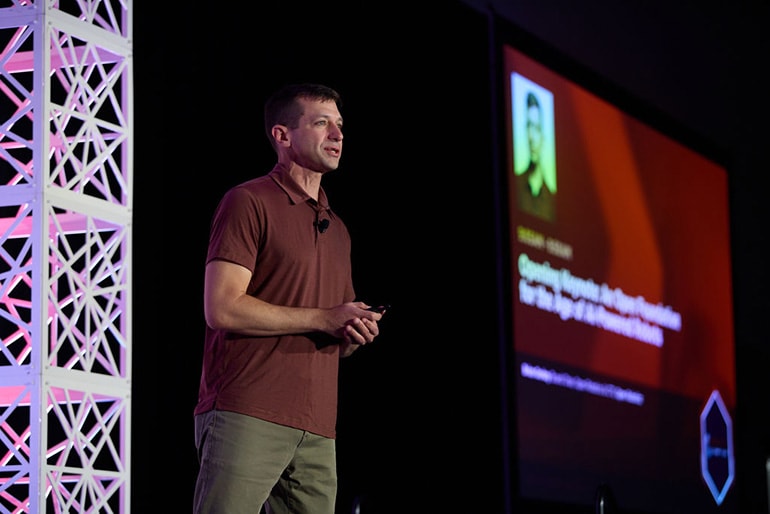
At the 2026 Robotics Summit, open source technology and brain-computer interfaces took center stage. Highlights included Brian Gerkey's insights on AI and Noland Arbaugh's pioneering Neuralink experience.
The 2026 Robotics Summit and Expo in Boston was brimming with innovation, capturing the industry's keen focus on open-source technology and brain-computer interfaces. These themes weren't only central but important to the discussions that unfolded.
Open Source: The Backbone of AI
Brian Gerkey of Open Robotics delivered a keynote that resonated with many in attendance. His insights on the role of open-source tech in today's AI-driven world were a stark reminder that collaboration is key to progress. Gerkey emphasized how shared tools and resources can propel AI development further than proprietary approaches. Is the era of closed systems coming to an end?
Deploying Practical Robotics
Mikell Taylor from General Motors presented a practical framework for deploying robots, stressing reliability and utility. Her approach centers on designing 'worthy' robots that meet real-world needs, a shift from flashy prototypes that never see the light of day. The regulatory detail everyone missed: these robots are clearing pathways for more integrated industrial applications.
Pioneering Brain-Computer Interfaces
Noland Arbaugh, Neuralink's first user, provided an eye-opening keynote. His journey with brain-computer interface technology highlighted the possibilities these interfaces hold. Playing chess live on stage with Chris Matthieu from RealSense, Arbaugh demonstrated both the practical and experimental potential of merging human and machine intelligence. Surgeons I've spoken with say this could redefine neurological treatments.
The Robotics Summit's highlights underscore a significant shift in robotics and AI development. As open-source initiatives gain momentum and brain-computer interfaces evolve, the implications for both developers and end-users are profound. In clinical terms, these advancements promise to reshape medical and industrial landscapes alike.
Get AI news in your inbox
Daily digest of what matters in AI.