Reverse Engineering Apollo 11: A Moonshot in Tech Nostalgia
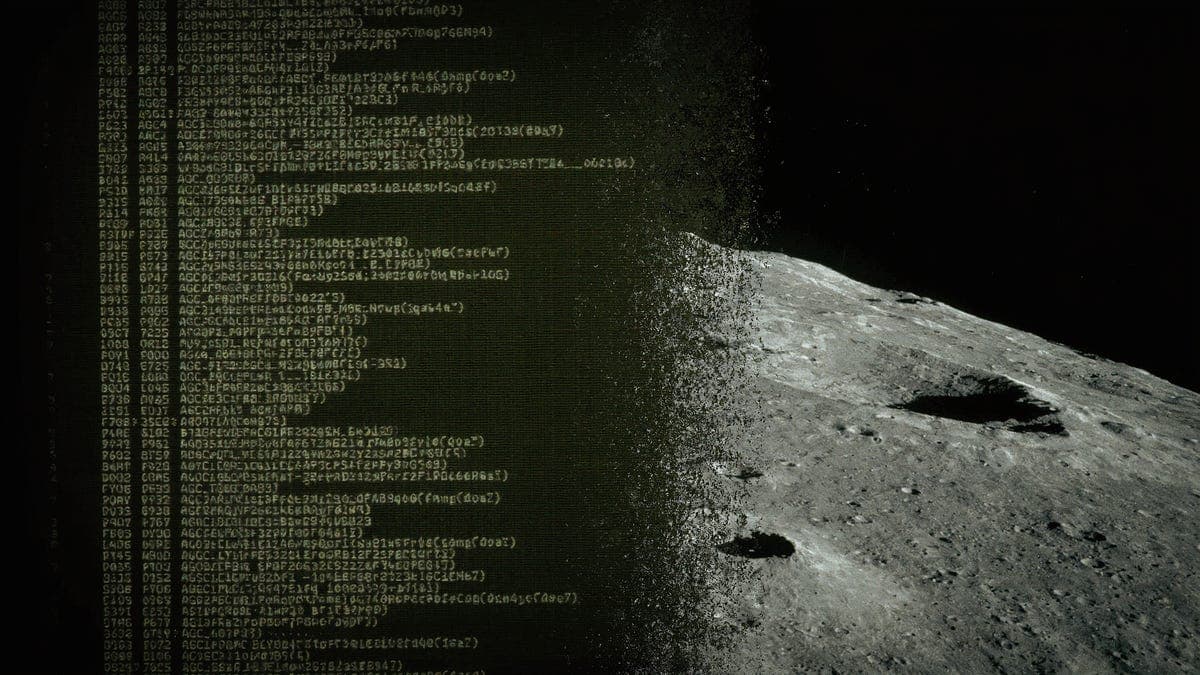
The iconic Apollo 11's tech is being dissected by modern engineers. It's a nostalgia trip with a warning: glorifying old tech can blind us to today's needs.
Apollo 11 is back in the spotlight. This time, it's not about its historical moon landing. Engineers today are attempting to reverse-engineer the technology that took humanity to the lunar surface in 1969. Why? It's not just for nostalgia. There's a lesson buried in this tech archaeology.
The Tech Behind the Legend
The Apollo Guidance Computer (AGC) was a marvel of its time. It had roughly 64K of memory and operated at a speed of 0.043 MHz. Yes, you read that right. Your smartwatch would laugh, if it could. Yet, this humble processor managed to guide humans to the moon and back. That's a tale worth unraveling.
With today's tech giants boasting about teraflops and exabytes, one has to wonder: are we overcomplicating progress? Sure, the AGC had its quirks and limitations, but engineers made do. They didn't have a choice. Today's developers, drowning in resources, might miss the elegance of solving problems with constraints. Perhaps we need a moonshot to remind us that less can be more.
Learning from the Past or Stuck in It?
Reverse engineering the AGC is a tech history lesson, but let's not get carried away. There's a danger in glorifying the past. While it’s essential to understand older tech to appreciate modern advancements, there's a fine line between admiration and stagnation.
Why should we care? Well, if industry leaders start looking backward for solutions, we risk ignoring the pressing issues of today. Climate change, systemic inequalities, and digital privacy won't be solved with 64K of memory. They need innovative, forward-thinking solutions.
The Nostalgia Trap
Engineers and tech enthusiasts alike are diving into the Apollo 11 blueprints. But let's be clear: they're not searching for a roadmap to the future. They're indulging in what I call the 'nostalgia trap.' It's comforting, sure, but it's also a distraction. A reminder that while the past informs us, it's the present that demands our attention.
The funding rate is lying to you again if you think this retro fascination will drive future innovation. Everyone has a plan until liquidation hits, and in this case, the liquidation is the rapid advancement of modern problems. Zoom out. No, further. See it now?
Get AI news in your inbox
Daily digest of what matters in AI.