Redefining Robotic Precision: The Work of Maria Koskinopoulou
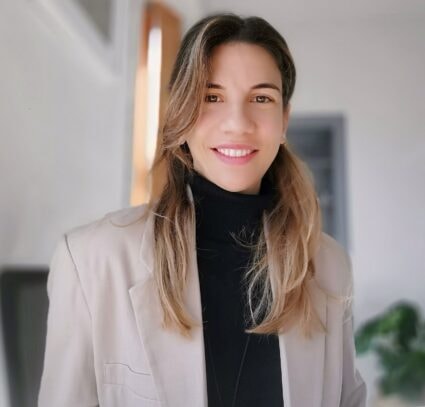
Maria Koskinopoulou of Heriot-Watt University is pioneering autonomous robotic manipulators. Her research spans medical, industrial, and environmental applications.
Maria Koskinopoulou, an Assistant Professor in Robotics and Computer Vision at Heriot-Watt University, is changing the game in autonomous robotic manipulators. Her work isn’t just innovative. it's reshaping how we think about the intersection of robotics with essential sectors like surgery and industrial operations.
From Lab to Operating Room
Koskinopoulou co-leads the ARM²Lab, the Autonomous Robotic Manipulation & Multi-Agent Systems Lab at Heriot-Watt and the National Robotarium, where she collaborates with Ignacio Carlucho. Their focus isn't just on creating robots but enhancing their interaction with humans and their environment. Imagine surgical robots that not only perform with precision but adapt in real-time to the unpredictable nuances of the human body.
Why does this matter? Because the container doesn't care about your consensus mechanism, but precision in surgery is non-negotiable. In an industry where mistakes can cost lives, the potential of autonomous manipulators to reduce human error is staggering.
Beyond Industry 4.0
But Koskinopoulou’s work goes beyond healthcare. Her research extends to autonomous assembly and waste sorting, two areas where efficiency and accuracy can drive significant economic and environmental benefits. With major projects funded by UKRI and the EU, the advancements in robotic manipulation and perception aren't just academic exercises. they've tangible impacts on our everyday lives.
Trade finance still relies on fax machines and PDF attachments, but robotics is. The ROI isn't in the model. It's in the 40% reduction in document processing time or the enhanced accuracy in assembly lines that Koskinopoulou's work promises.
What's Next?
The question is, how will industries that have long operated on traditional methods adapt to these advancements? Will they embrace the efficiency and precision that autonomous systems offer, or remain stuck in the past? As Koskinopoulou's research shows, the potential for transformation is vast. The only limit is our willingness to change.
Ultimately, nobody is modelizing lettuce for speculation. They're doing it for traceability, for precision, and for a future where machines work alongside us, not just for us. Maria Koskinopoulou’s trailblazing contributions remind us of what's possible when innovation meets necessity.
Get AI news in your inbox
Daily digest of what matters in AI.