Rambus Unleashes Faster DDR5 Memory to Fuel AI's Growing Appetite
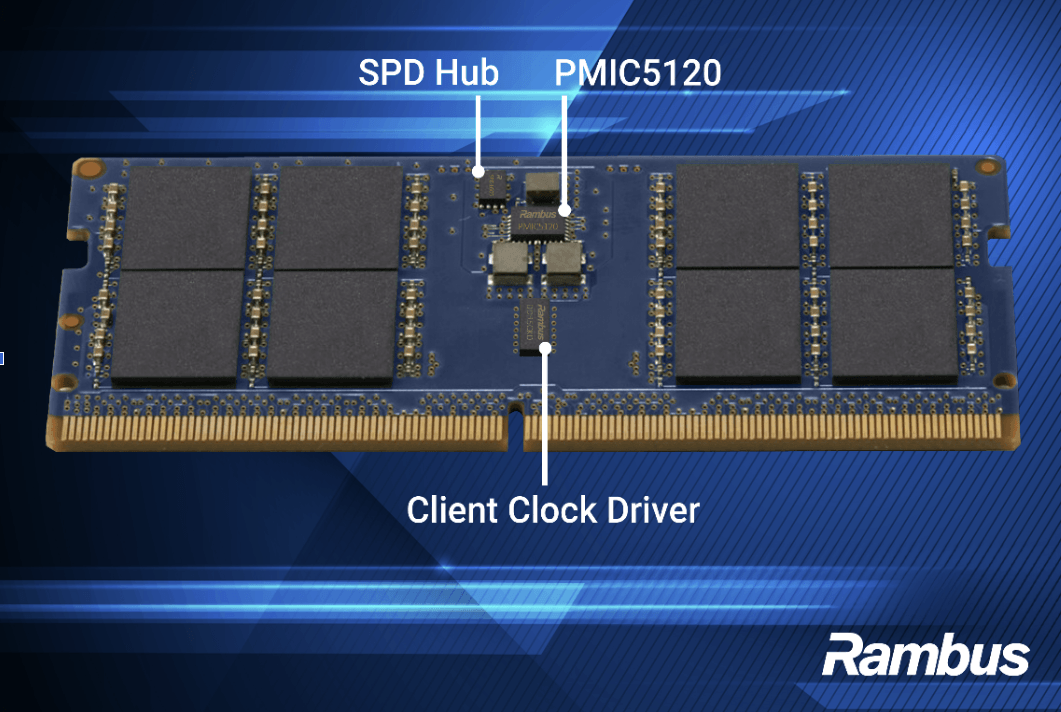
Rambus introduces a DDR5 9600 client memory module chipset, aiming to meet the demands of AI workloads on desktops and laptops. This boosts memory speeds to 9,600 MT/s.
Rambus Inc. has upped the stakes in the memory race with its latest DDR5 9600 client memory module chipset. This leap is designed to satisfy the ever-increasing bandwidth and capacity needs of AI workloads proliferating across desktops and laptops. With a staggering 9,600 megatransfers per second, this chipset isn't just about faster speeds, it's about redefining what's possible in AI computing.
A New Standard for AI Workloads
The AI-AI Venn diagram is getting thicker, and Rambus is making sure it stays ahead of the curve. As AI workloads continue to demand more power and speed, the need for advanced memory solutions has never been more pressing. Rambus' new offering combines a second-generation client clock driver, positioning it as a frontrunner for today's AI-driven applications. But why should you care?
In short, because AI isn't going to slow down. It's a relentless force, with applications expanding in both scale and scope. Faster memory isn't just a luxury, it's a necessity. For businesses and developers pushing the boundaries of AI, Rambus' DDR5 9600 chipset is the ticket to higher efficiency and performance. If agents are making more decisions, those decisions need the best possible backing. That's what Rambus is offering.
The Impact on Compute Infrastructure
This isn't just a partnership announcement. It's a convergence of need and innovation. The compute layer needs a payment rail, and memory speed is part of that essential infrastructure. By delivering this high-speed chipset, Rambus is contributing to the financial plumbing for machines. Faster memory translates directly into reduced latency and improved throughput, critical factors for any serious AI operation.
So, what does this mean for the tech landscape? It's simple. As AI workloads demand more, the infrastructure must evolve in tandem. Rambus is betting on this evolution, and it's a safe bet given the trajectory of AI advancements.
The Road Ahead
Rambus' announcement isn't just about keeping pace. It's about setting a new pace. As AI becomes more agentic and autonomous, the supporting technology must be equally dynamic. This DDR5 9600 module isn't just about meeting current demands. it's about anticipating future needs.
The real question is, how will competitors respond? More importantly, can they keep up? The collision between AI and AI infrastructure is only beginning. With Rambus' strategic move, others will undoubtedly feel the pressure to innovate or be left behind. This isn't just an upgrade. It's a catalyst for change in how we think about AI's place in computing.
Get AI news in your inbox
Daily digest of what matters in AI.