Raising the Bar: Fiduciary Grade AI Meets Professional Demand
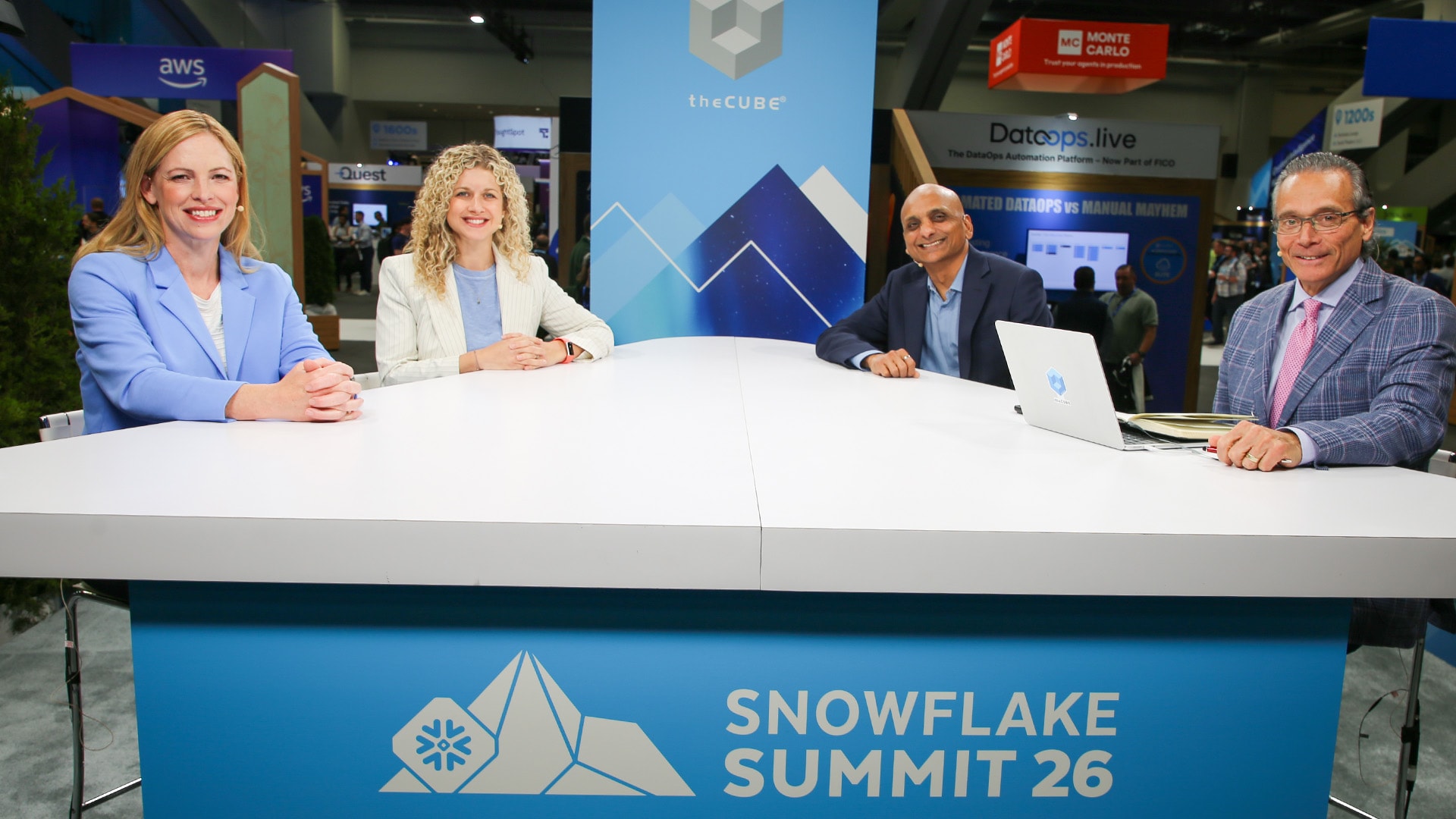
Thomson Reuters and Snowflake are spearheading a shift towards fiduciary-grade AI, providing critical security for professionals in fields where precision is non-negotiable.
In professions where precision isn’t just preferred, it’s mandatory, the emergence of fiduciary-grade AI is becoming a major shift. This isn’t merely about innovation. it’s a necessity. Lawyers, tax accountants, and auditors operate in a space where errors can lead to significant financial and legal repercussions. Enter fiduciary-grade AI, a solution designed to offer reliable intelligence backed by governed, authoritative data.
Meeting Professional Standards
Thomson Reuters and Snowflake are leading this transformation, introducing AI systems that promise the kind of data integrity and trustworthiness that these professionals require. The AI-AI Venn diagram is getting thicker, as we see a convergence of high accountability and technological advancement. It’s not just about having smarter systems. it’s about having systems that are accountable and reliable.
For these professionals, the stakes are high. A mistake isn't just a learning opportunity. it’s a potential career-ending blunder. So, when we talk about AI in these spaces, it’s essential to discuss fiduciary-grade quality. But what exactly does that mean? Essentially, it refers to AI built upon a foundation of rigorously vetted data, ensuring the outputs are as reliable as the inputs.
The Role of Thomson Reuters and Snowflake
Thomson Reuters, known for its legal and financial services, has partnered with Snowflake, a data cloud powerhouse, to build AI solutions with a focus on data governance and security. The compute layer needs a payment rail, and these companies are laying the tracks. By doing so, they’re not just setting the bar. they’re redefining the standards for AI in professional settings.
Why should we care? Because this isn’t a partnership announcement. It's a convergence. It’s about setting a precedent for how AI can, and should, operate within spaces that demand the highest levels of accountability. It signals a shift toward AI systems that professionals can trust implicitly, something that’s been in high demand yet short supply.
Implications for the Future
This development could very well set a new standard across industries. As these fiduciary-grade systems gain traction, the ripple effects will be felt beyond the legal and financial worlds. Other sectors will likely follow suit, adopting similar standards to ensure that their AI systems aren't just innovative but also reliable and trustworthy.
In a world increasingly reliant on AI, the question remains: Can we afford to ignore the need for governed intelligence? If agents have wallets, who holds the keys? As we continue to build the financial plumbing for machines, the shift toward fiduciary-grade AI seems not only prudent but inevitable.
Get AI news in your inbox
Daily digest of what matters in AI.