Progressives Aim to Unite and Conquer: A Strategic Shift
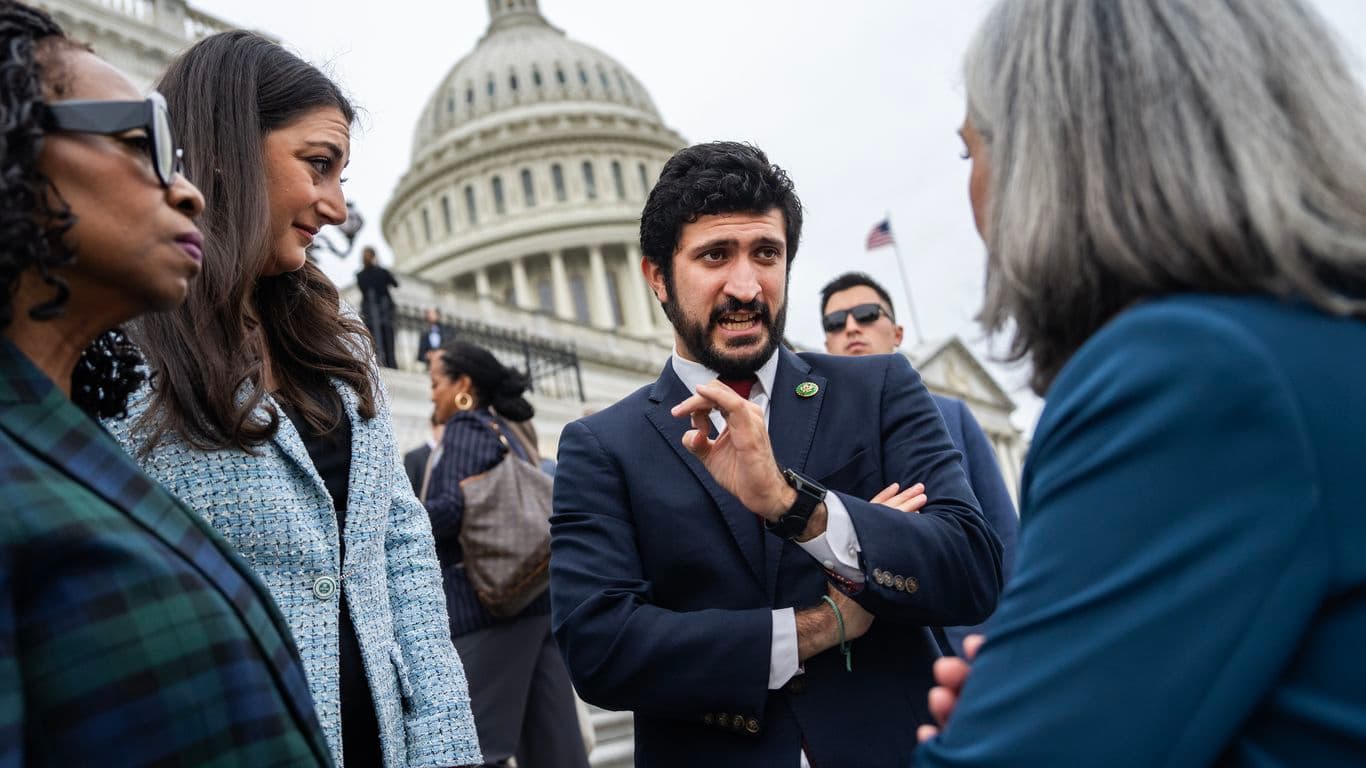
Progressives are regrouping after recent electoral setbacks, focusing efforts on unifying support behind single candidates to combat moderate victories.
Progressives are regrouping after a bruising electoral night in Illinois, where they snagged just one of the four open House races they had their eyes on. Now, they're setting their sights on a new strategy to avoid splitting the vote. The idea? Unite behind one strong candidate and make it harder for moderates to slide in with divided opposition.
Why the Shift?
This change in tactics comes after a disappointing follow-up to their earlier success in a New Jersey special election. Back then, they pulled off a surprise win, which may have given the progressive movement a bit of overconfidence. As Rep. Ro Khanna from California put it, "We've got about a third of the electorate, but that still requires a fight." And fight they must, especially after watching some of their endorsed candidates lose out to well-supported moderates.
In the Chicago races, the only progressive winner was Evanston Mayor Daniel Biss, who managed to beat a more left-wing rival, Kat Abughazaleh. The latter fell short despite the progressive endorsement, while AIPAC-backed Laura Fine lagged in third.
Big Money, Big Problems
One glaring issue is the flood of ad dollars coming from groups like AIPAC and crypto-aligned PACs. Former Rep. Melissa Bean, for instance, triumphed over progressive tech consultant Junaid Ahmed with substantial financial backing. It's a reminder that in politics, money can be an overwhelming force. So, what are progressives to do?
The new plan involves focusing resources and efforts on a single candidate, preventing vote-siphoning by multiple left-wing contenders. This is a move to mirror the tactics often used by Democratic leadership to push preferred candidates in swing districts.
Looking Ahead
The next tests for this strategy are coming fast, with progressive insurgents gearing up for open primaries across the nation. Pennsylvania in May, followed by California, New Jersey, and New York in June, will be key. Can progressives maintain their momentum and build on their new approach? Or will big money continue to overshadow grassroots efforts?
Progressives are playing a high-stakes game. Their challenge is to convince voters that they're the viable alternative to a moderate establishment. In a political landscape that's increasingly influenced by cash, who really pays the cost? The answer might just shape the future of the Democratic Party.
Get AI news in your inbox
Daily digest of what matters in AI.