Pope Leo XIV's Encyclical Warns of AI's Human Impact
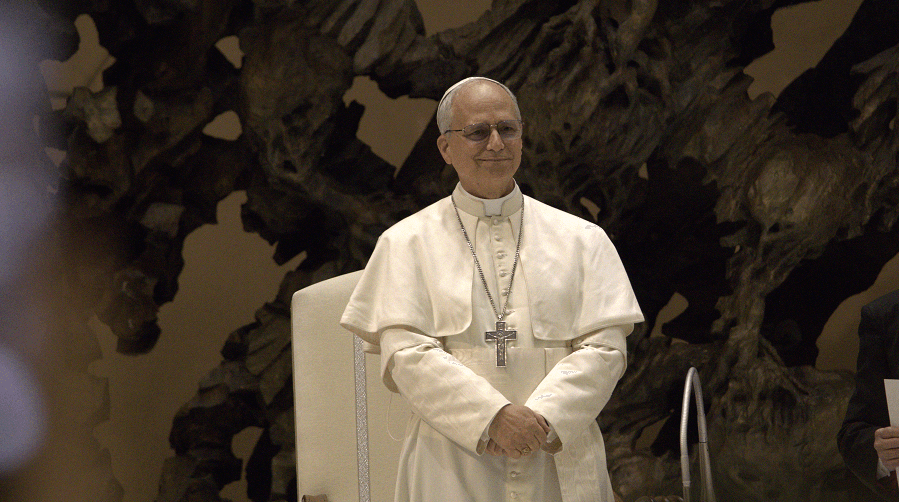
In a bold move, Pope Leo XIV's encyclical warns about AI's potential risks, urging society to consider the ethical implications as technology evolves.
Pope Leo XIV has made a significant foray into the conversation on artificial intelligence with his recent encyclical, 'Magnifica Humanitas'. Released today, this extensive document, approximately 43,000 words long, dives deep into the profound effects of technology on humanity. In a notable shift from traditional ecclesiastical topics, it dedicates an entire chapter to the implications of AI.
AI in the Vatican's View
Amidst the encyclical's comprehensive exploration of human dignity and moral responsibility, the Pope underscores the potential perils AI poses to society. In a world increasingly dominated by technological innovations, he raises essential ethical questions about the development and deployment of AI systems. The Vatican's voice in this debate is important, as it brings a unique perspective often absent in technological discourse.
What does this mean for those developing AI? The Pope's message serves as a reminder that the march of progress shouldn't overshadow the human element. Technology's role in enhancing life is undeniable, yet it's the unchecked automation and data-driven decisions that pose risks. The document isn't merely a philosophical musing but a call to action. How will AI developers and policymakers respond?
Why This Matters
With rapid advancements in AI, it's easy to get swept up in the excitement of innovation. However, the Pope's encyclical brings us back to earth, urging us to balance progress with ethical considerations. It's not just about creating smarter machines. it's about ensuring these machines serve humanity without compromising individual rights and freedoms.
The discussion on AI ethics isn't new, but when a figure like the Pope weighs in, it adds a significant moral dimension. Patient consent doesn't belong in a centralized database. The Pope's perspective challenges tech leaders to rethink how they address data privacy and the moral implications of their creations.
The Ethical Imperative
Some might argue that religious figures should stay out of technical debates. Yet, isn't it time we acknowledged that technology's reach extends beyond the lab? It's ensconced in our lives, influencing decisions that affect millions. By highlighting these risks, the Pope invites us to consider AI's role in our future.
In the end, 'Magnifica Humanitas' is more than a religious document. it's a rallying cry for ethical AI development. As we navigate this technological frontier, the question remains: will we let machines dictate the terms, or will we steer their course with humanity at the helm?
Get AI news in your inbox
Daily digest of what matters in AI.
Key Terms Explained
The science of creating machines that can perform tasks requiring human-like intelligence — reasoning, learning, perception, language understanding, and decision-making.
The practice of developing AI systems that are fair, transparent, accountable, and respect human rights.