Pope Leo XIV’s Encyclical: Navigating AI’s Moral Maze
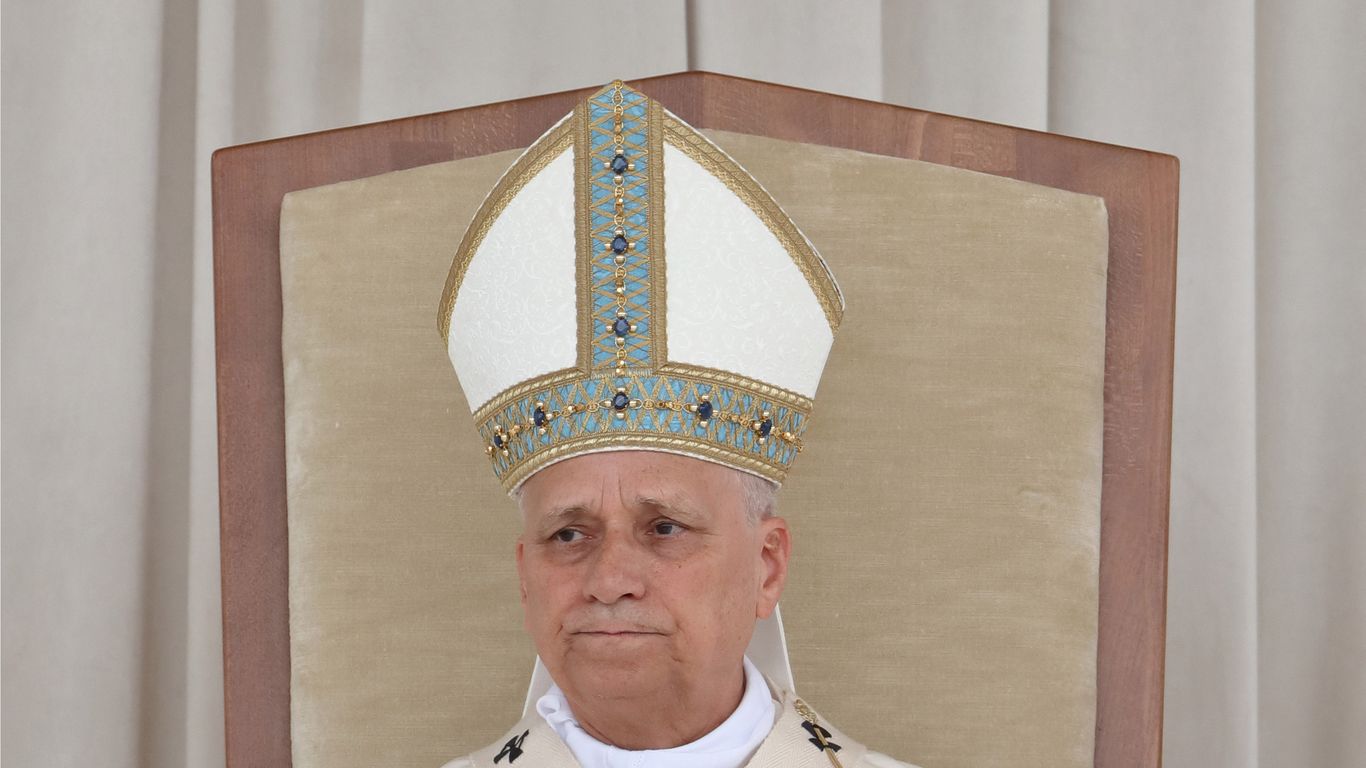
Pope Leo XIV’s first encyclical, 'Magnifica Humanitas,' addresses AI’s ethical dilemmas, likening them to a modern Tower of Babel. His warnings could reshape the global discourse on AI regulation.
Pope Leo XIV has entered the AI ethics debate with a bold declaration that artificial intelligence could become the new Tower of Babel. His encyclical, 'Magnifica Humanitas,' released on May 15, 2026, aims to position the Vatican as a key moral compass in the rapidly evolving technological landscape.
A Timely Warning
The document, signed precisely 135 years after Leo XIII’s landmark 'Rerum Novarum,' marks a significant moment in Catholic social teaching. While AI technology is lauded for its potential, Leo XIV stresses that it's far from neutral. It embodies the values of those who design and control it, and this embedded bias raises questions about its influence on society.
What does this mean for everyday people? The pope warns that AI can undermine human judgment by offering instant solutions that bypass creativity and discernment. Moreover, in simulating care without genuine human connection, it risks reducing empathy to mere algorithms. Yet, perhaps the most concerning are AI’s capabilities to deepen inequality and destabilize democracy by concentrating power and amplifying disinformation.
The Battle for Human Dignity
Leo’s encyclical isn't an outright condemnation of AI but a call for ethical guidelines that prioritize human dignity. According to two people familiar with the negotiations, the pope seeks a bottom-up development of these guidelines, reflecting the communal values of societies rather than the dictates of a few powerful entities.
Meghan Sullivan of Notre Dame suggests that this document could emerge as a important moment in Catholic history, highlighting the intersection of faith and technology. Mirela Oliva, a philosophy professor, adds that the encyclical urges us to shape the 'AI era' with humanity at its center. The bill still faces headwinds in committee, but the question now is whether these guidelines can influence broader regulatory frameworks.
Implications for Policy and Society
The encyclical prompts us to consider how AI is used in areas like employment, credit, and public services. Can we trust AI systems that are designed and deployed by a select few to decide who gets access to these essential aspects of life? Pope Leo’s starkest reminder that “no algorithm can make war morally acceptable” challenges us to confront the ethical implications of AI in military contexts.
As Dan Rober of Sacred Heart University notes, the broader impact of the encyclical may lie in its potential to shape AI regulation debates worldwide. Its warnings about AI’s role in children’s lives, digital platforms, and even as surrogate therapists, resonate far beyond Catholic circles. Reading the legislative tea leaves, it seems Pope Leo XIV’s encyclical will be a touchstone for global ethical discussions on AI.
Get AI news in your inbox
Daily digest of what matters in AI.