Physical AI: The Next Frontier in Robotics
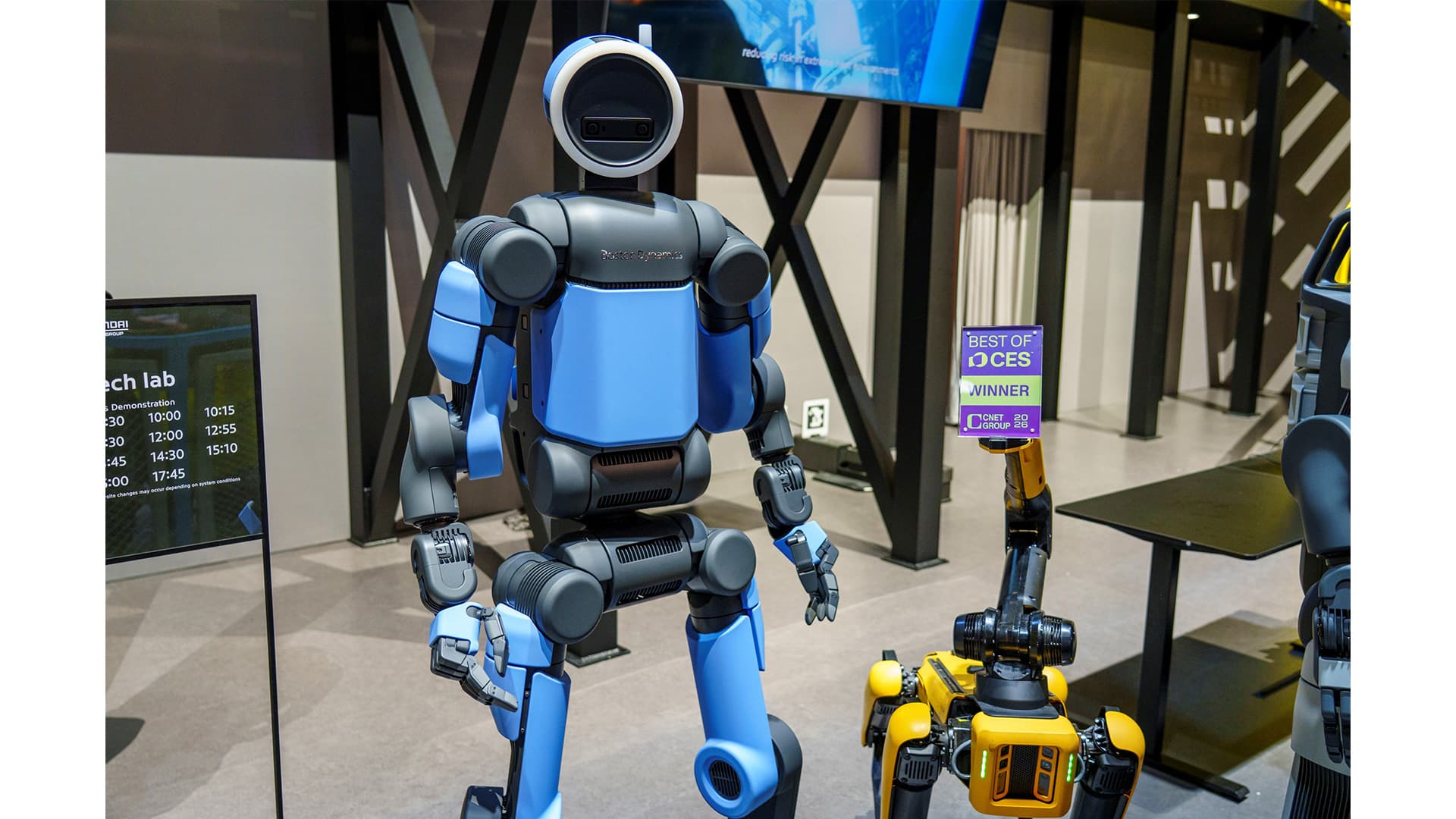
Physical AI is gaining traction as companies both in the West and East compete to dominate this new frontier. The convergence of platform strategies and manufacturing prowess marks a turning point shift in how robotics will transform industries globally.
There's a buzz around physical AI that's hard to ignore. It's not just about a single innovation but a convergence of breakthroughs, much like a symphony reaching its crescendo. This isn't just tech talk. It's a signal that AI is stepping off the page and onto the factory floor.
Jensen Huang of Nvidia captured this at CES in January, labeling it 'the ChatGPT moment for robotics.' It's a comparison that resonates. We're seeing AI once confined to labs now venturing into the commercial world. And it's happening everywhere, from Silicon Valley to Shanghai.
Western Platforms vs. Eastern Machines
The West is locked in a race to build the foundational platforms for physical AI. Companies like Nvidia, Arm, and Siemens aren't just about building robots but creating the infrastructure where AI will thrive. Nvidia's new Cosmos and GR00T models, along with Arm's dive into semiconductor design, show the West's commitment to leading this charge.
Meanwhile, Google is making strategic moves with its robotics unit, Intrinsic, now part of its core operations. They're not just tinkering with robots. They're aiming to build a vertically integrated stack, AI from DeepMind, deployment software, and cloud infrastructure. It's a move reminiscent of Android's conquest of the smartphone world.
On the other side, China's approach is tangible and immediate. During the Spring Festival Gala, robots dazzled audiences with kung fu performances and aerial feats. It's not just a show. It's a statement of capability. China isn't just building robots. It's dominating the scene with over 80% of global humanoid installations in 2025.
With the likes of Alibaba introducing RynnBrain and a multitude of domestic humanoid manufacturers, China's physical AI isn't experimental anymore. It's a commercial reality.
The Stakes Are High
Why should we care? The stakes in this global race are enormous. The ability to control the software layer of physical AI could mean a significant edge in industrial operations worldwide. This isn't just about technology. It's about economic power and influence.
Physical AI is reshaping how we think about robots. Gone are the days when deploying robots required months of specialized programming. Now, companies like Vention claim they can cut automation timelines from months to mere days. That's a game changer for manufacturing.
But let's not ignore the geopolitical undertones. Each development in AI and robotics carries implications for supply chain dependencies and infrastructure control. Who will steer this ship? The companies or countries that do will wield a substantial influence over global operations for years to come.
So here's the question: In a world where robotics and AI are becoming inseparable, how will emerging economies like Kenya harness these technologies to their advantage? The story looks different from Nairobi, where automation doesn't mean the same thing everywhere.
Get AI news in your inbox
Daily digest of what matters in AI.