Pentagon's AI Training Plan: A Risky Data Gamble?
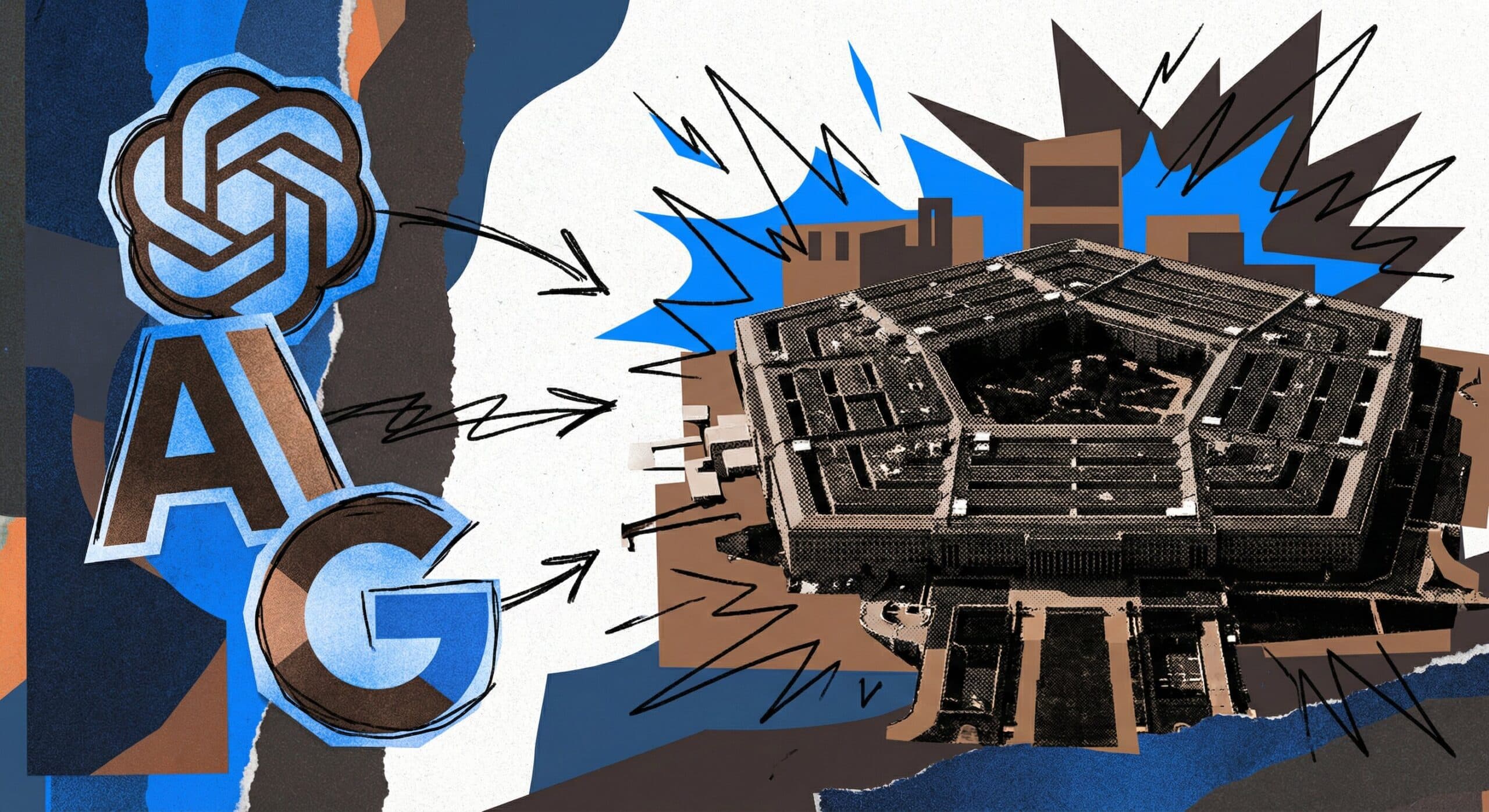
The Pentagon's bold move to let AI firms train on classified data raises both opportunities and eyebrows. Is the potential worth the risk?
Here's a twist you didn't see coming. The U.S. Department of Defense is opening its vaults, allowing artificial intelligence companies to train their models on classified information. Up until now, these models have only been allowed to read such data, not actually learn from it.
A New Era for AI Training
In what can only be described as a groundbreaking shift, the Pentagon is setting up secure environments where AI companies can freely experiment with classified data. Think of it as a sandbox filled with sensitive information. The aim? To supercharge AI models with insights that could potentially revolutionize military operations.
But wait, is this just a tech enthusiast's dream, or a cyber security nightmare waiting to happen? The stakes are undeniably high. Access to classified data could lead to rapid advancements in AI capabilities. Yet, it also opens up a Pandora's box of security concerns. Are we playing with fire?
The Stakes: High Risks, High Rewards
Skeptics are already raising red flags. The idea of AI systems being trained on such sensitive information is a double-edged sword. On one hand, the potential benefits for national security could be immense. Better intelligence, faster decision-making, and more efficient operations are just the tip of the iceberg.
On the other hand, the risks of data leaks or misuse can't be ignored. What happens if this powerful data ends up in the wrong hands? Could this project, in trying to bolster security, actually undermine it?
What This Means for AI Companies
For AI firms, this is a golden opportunity. Getting access to classified data means they can develop more sophisticated models that might eventually become indispensable to defense operations. We're talking about a significant boost in both prestige and profitability for these companies.
However, there's a catch. With great power comes great responsibility. These companies will need to ensure that their security measures are watertight. The margin for error is virtually nonexistent. One breach could mean catastrophic consequences not just for the company but for national security as a whole.
The Bottom Line
So, is the Pentagon making a savvy move or taking an unnecessary risk? The truth likely lies somewhere in between. The potential upside is huge, but it can't come without stringent safeguards. The coming months will tell if this initiative transforms into a strategic advantage or becomes a cautionary tale of ambition gone awry.
Get AI news in your inbox
Daily digest of what matters in AI.
Key Terms Explained
The science of creating machines that can perform tasks requiring human-like intelligence — reasoning, learning, perception, language understanding, and decision-making.
The process of teaching an AI model by exposing it to data and adjusting its parameters to minimize errors.