Pentagon and Anthropic: The AI Clash over Control and Ethics
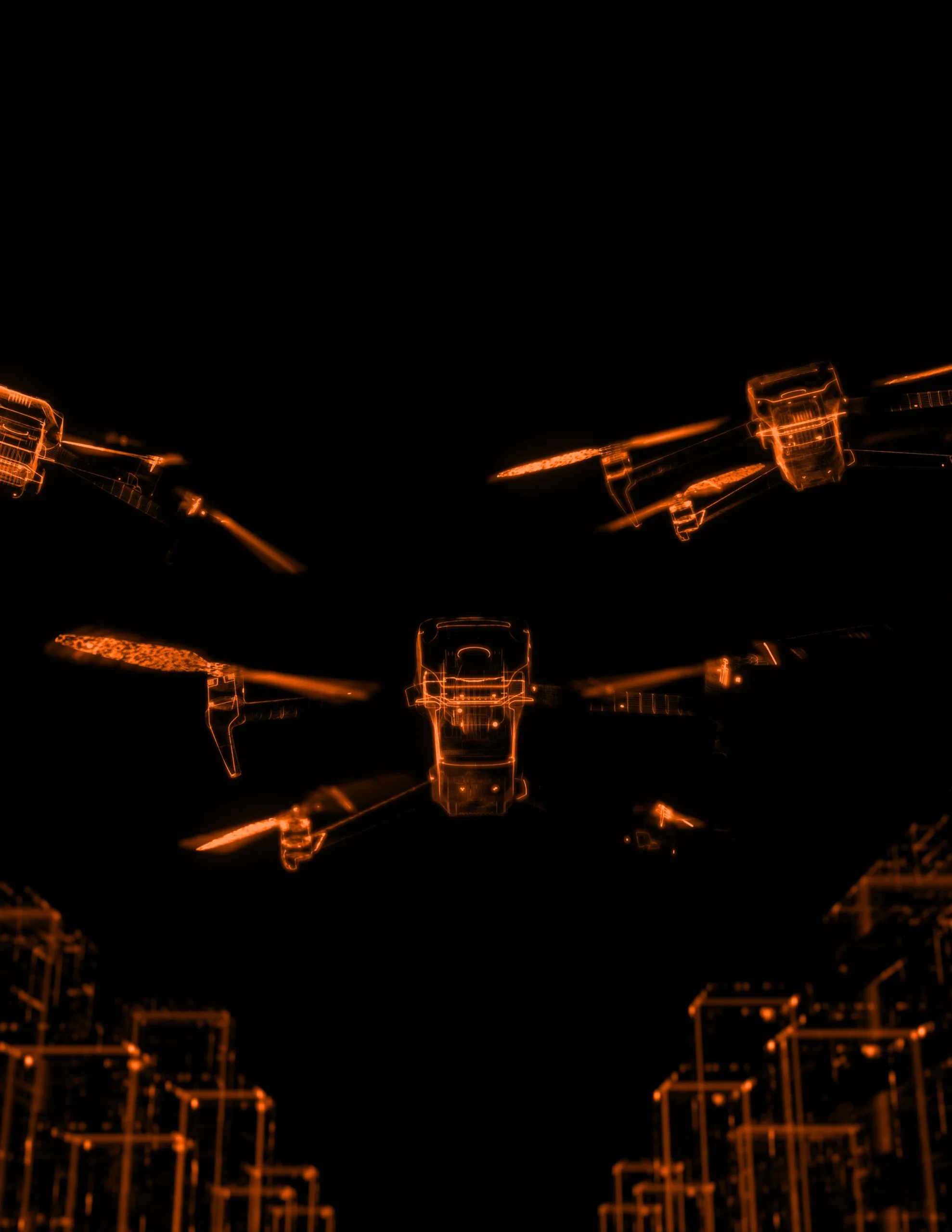
As tensions rise between the Pentagon and AI firm Anthropic, the real issue isn't just policy, but how AI's decision-making influences human judgment. What's at stake when AI enters defense?
The relationship between the Pentagon and Anthropic is currently in the spotlight, revealing a complex dance over AI's role in national security. Owen J. Daniels, from the Center for Security and Emerging Technology, offers insights into this tense dynamic, highlighting a key point: it's not just about technology, but how AI shapes human decision-making. That's the real story behind the headlines.
The Policy Puzzle
At the heart of this issue lies the Department of Defense's policies. They aim to restrict fully autonomous weapons, ensuring that AI doesn't overshadow human judgment. But let's face it, policies on paper often look different than practice. The gap between the keynote and the cubicle is enormous. As Daniels points out, the real challenge is understanding how AI systems influence the decisions we make, especially when lives are on the line.
AI's Influence on Judgment
Here’s the kicker: AI isn't just a tool, it's a decision-maker. When we're talking about weapons systems, the stakes couldn't be higher. How do you balance advanced tech with the ethical implications of its use? The Pentagon might have rules, but enforcing them is another issue entirely.
Daniels raises the point that's been whispered in corridors: while AI can enhance decision-making, it can also cloud human judgment. In a high-pressure environment, will AI lead or mislead? This isn't just a Pentagon problem, it's a global conundrum. The press release said AI transformation. The employee survey said otherwise. Who really holds the reins when AI is in the mix?
What's Next for Defense and AI?
Looking ahead, the Pentagon and other defense players need to rethink their AI strategies. The technology’s here to stay, but how it's integrated and controlled remains contentious. Will the military find a way to harness AI without losing human oversight?
For skeptics wondering about the risks, consider this: as AI continues to evolve, the pressure to deploy it faster and more broadly in defense grows. Are current policies solid enough to handle this? I talked to the people who actually use these tools, and there's a clear need for change management and upskilling to bridge the knowledge gap.
In the end, the Pentagon's dealings with Anthropic remind us that AI's role in warfare isn't just about capability, it's about responsibility. Will decision-makers rise to the challenge? That's the billion-dollar question.
Get AI news in your inbox
Daily digest of what matters in AI.