Papal Commentary on AI Taps Into Middle-Earth Mystique
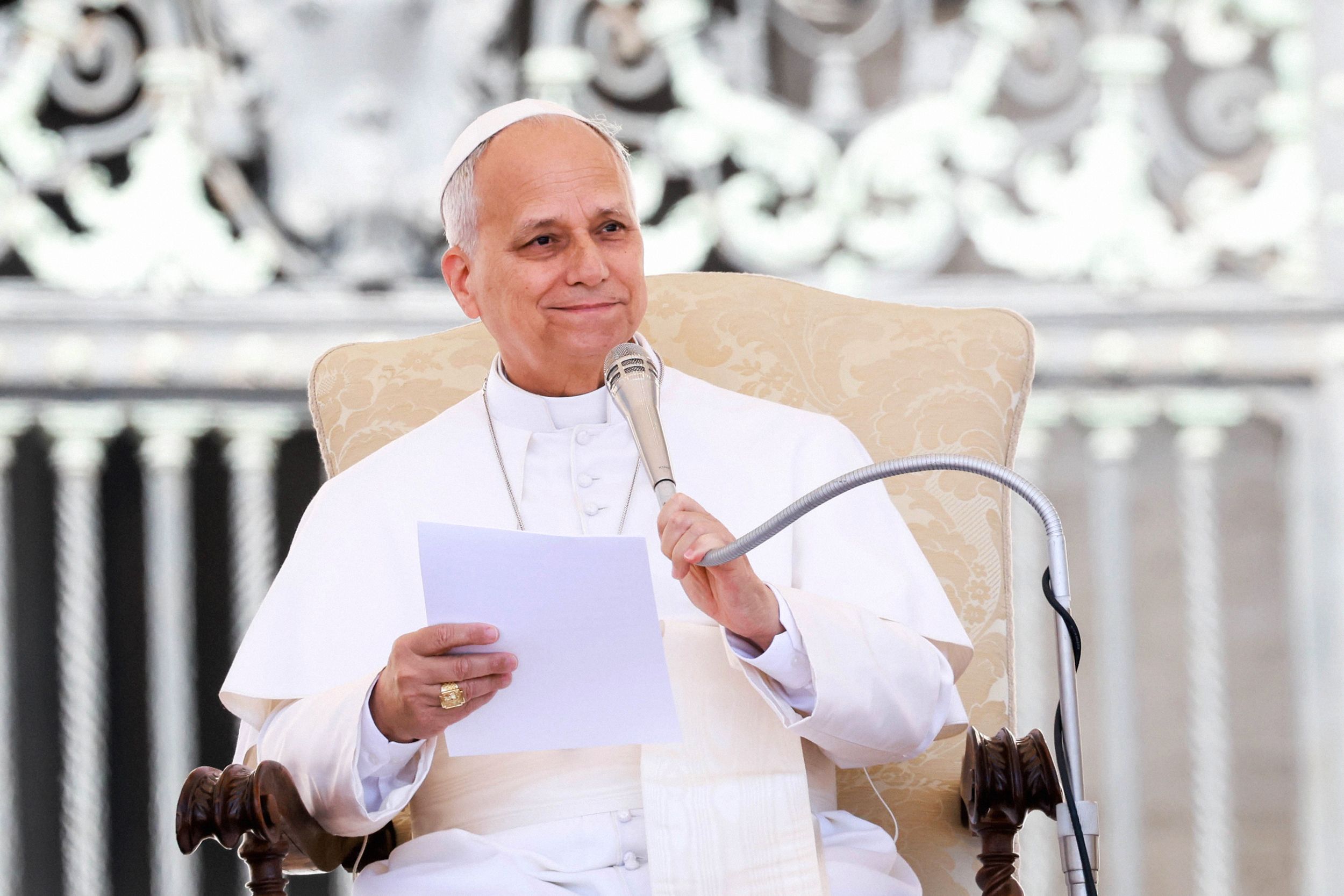
When the Pope channels The Lord of the Rings in his AI discourse, it's more than literary flair. It highlights a misalignment with tech billionaires' interpretations.
The Pope's recent encyclical on artificial intelligence made waves not only for its theological insights but also for its unexpected nod to J.R.R. Tolkien's The Lord of the Rings. While this might initially seem like a whimsical crossover, it draws attention to a deeper misinterpretation often perpetuated by tech moguls who cite the series.
The Ring's Allegory
The Lord of the Rings has long been a favorite in the tech community, often viewed as a tale of innovation, power, and the potential for human advancement. Yet, the Pope's reference reminds us that Tolkien's narrative is equally a cautionary tale about power's corrupting influence. The allure of dominance and control, symbolized by the One Ring, mirrors the unchecked ambitions in today's AI landscape.
Tech billionaires have a tendency to romanticize the idea of wielding immense power, akin to possessing the Ring. But they frequently overlook the destructive potential that comes with it. In Tolkien's universe, such power invariably leads to ruin, a theme the Pope seems to suggest parallels the ethical pitfalls in AI development.
Convergence of Ideals
This isn't just a literary reference. It's a convergence of ethical and technological discourse. The encyclical challenges us to reconsider the narratives we build around technology. Are we, like Frodo, recognizing the burden of power and its potential to devastate, or are we more like Gollum, driven by obsession?
The AI-AI Venn diagram is getting thicker, intertwining moral philosophy with technological progress. As AI continues to evolve, the need to balance innovation with ethical considerations is clearer than ever. The Pope's commentary serves as a timely reminder that we must address the ethical dimensions of AI, not just its capabilities.
Tolkien's Timeless Lesson
If agents have wallets, who holds the keys? The implication here's about responsibility and stewardship. Who is accountable for AI's actions? This question becomes increasingly pressing as machine autonomy grows. The intersection of AI and ethics isn't merely academic. it's a pressing societal issue.
The Pope's inclusion of Tolkien isn't just a literary flourish. It's a critique of how tech leaders often misinterpret literary works, bending narratives to fit their ambitions. Perhaps it's time for these leaders to revisit Middle-Earth and consider the broader lessons its tales can offer.
Get AI news in your inbox
Daily digest of what matters in AI.
Key Terms Explained
The science of creating machines that can perform tasks requiring human-like intelligence — reasoning, learning, perception, language understanding, and decision-making.
A mechanism that lets neural networks focus on the most relevant parts of their input when producing output.