Orbital Inc. Sets Sights on Space-Based AI with Fresh Funding from a16z
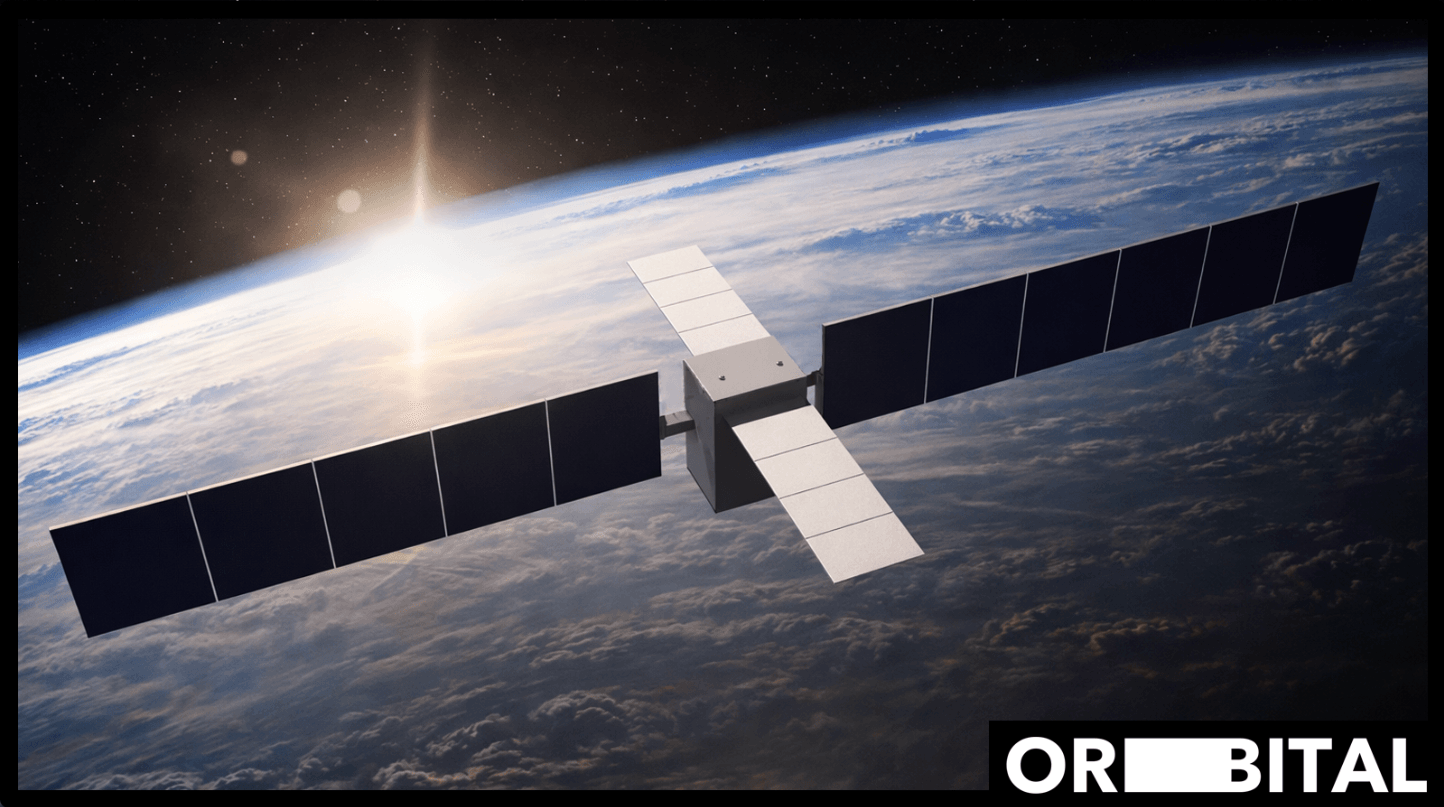
Orbital Inc. secures funding to launch AI into space before Elon Musk. The test mission, Orbital-1, aims to prove AI's potential beyond Earth's borders.
Orbital Inc., a daring startup with aims to integrate artificial intelligence with low-Earth orbit, has secured funding from Andreessen Horowitz’s a16z Speedrun. Though the amount remains undisclosed, the investment is a clear signal that the tech world sees potential in taking AI beyond terrestrial limits.
Orbital-1: The First Test
The funding will support Orbital's inaugural mission, Orbital-1, set to validate the concept of space-based data centers. This mission isn't just about technology. It's about proving AI's adaptability and utility in a new frontier. As we increasingly rely on AI for everything from data processing to decision-making, the question becomes: why not position these capabilities in space?
Why AI in Space?
AI's hunger for data and compute power is well-documented. By moving these needs to orbit, Orbital Inc. could redefine data centers' role in AI computation. Earth-bound infrastructure faces limitations that space could overcome, from cooling challenges to real-time global access. This isn't a partnership announcement. It's a convergence of two of tech's biggest revolutions: AI and space.
While Elon Musk's ambitions with Starlink are well-known, Orbital's approach pushes the envelope even further. They're not just placing satellites in orbit, they're envisioning autonomous AI systems processing data at the edge of our atmosphere. The AI-AI Venn diagram is getting thicker, and Orbital wants to be at its center.
The Future of AI and Space
Imagine a network of satellites, each an AI node, working in unison. This vision isn’t just about infrastructure. It’s about autonomy. If agents have wallets, who holds the keys in a space-based AI network? The implications for compute and data processing are staggering.
But why should we care? Because space-based AI infrastructure could eliminate latency issues, provide global data coverage, and even offer a more secure environment for sensitive information. We're building the financial plumbing for machines, and space might just be the next logical step.
As Orbital Inc. gears up for its test mission, the tech world watches closely. Whether this marks the beginning of a new era in AI or just a niche experiment remains to be seen. However, the potential integration of AI with space presents opportunities that are both exciting and uncharted. In the race to space, AI might just be the dark horse that changes everything.
Get AI news in your inbox
Daily digest of what matters in AI.
Key Terms Explained
The science of creating machines that can perform tasks requiring human-like intelligence — reasoning, learning, perception, language understanding, and decision-making.
AI systems capable of operating independently for extended periods without human intervention.
The processing power needed to train and run AI models.