Oracle’s Layoffs: When AI Efficiency Cuts Real Jobs
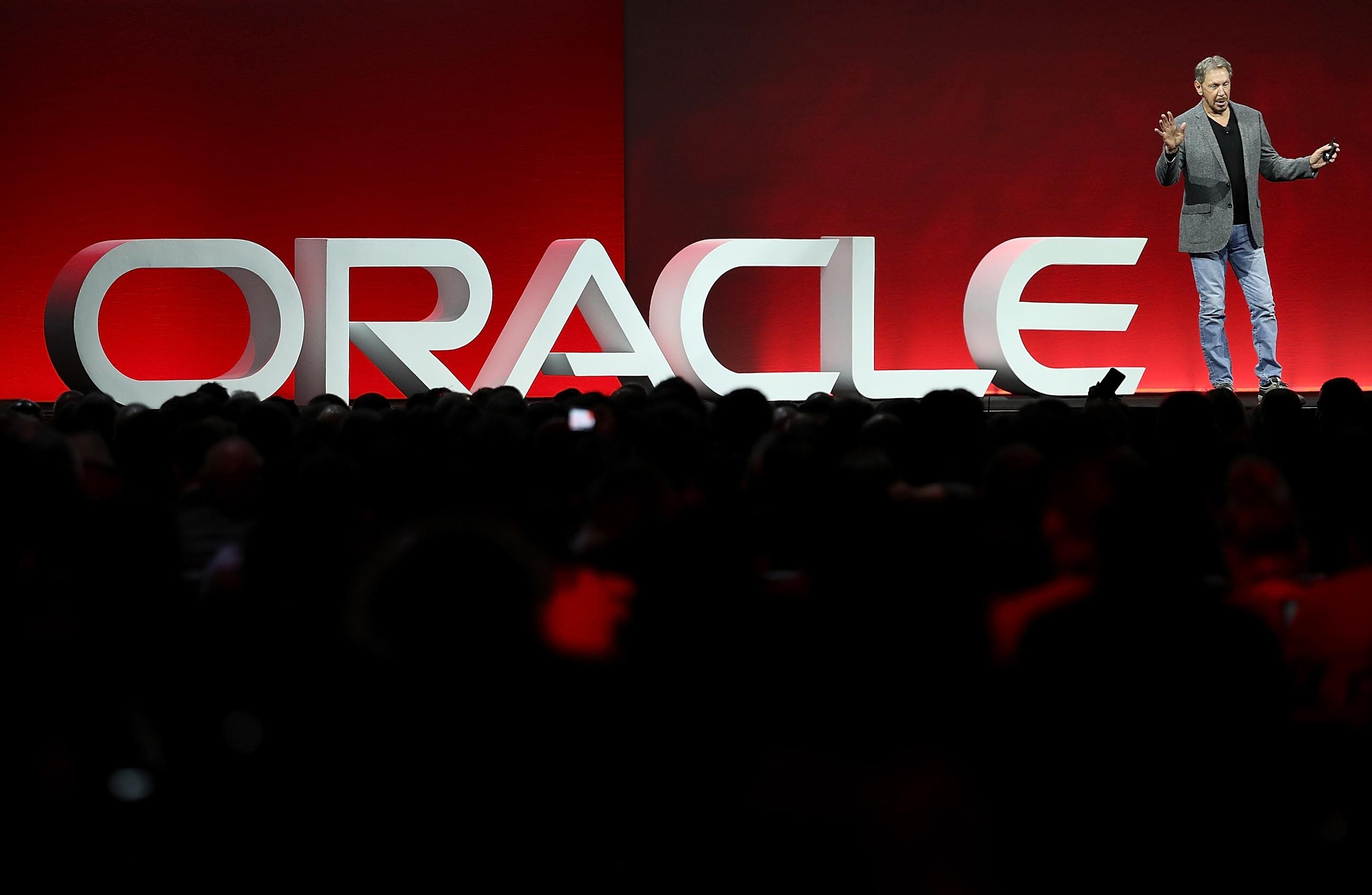
Oracle's recent layoffs highlight a clash between AI efficiency and human labor. As AI models simplify operations, what happens to the displaced workforce?
Oracle's latest decision to trim its workforce isn't just a matter of corporate belt-tightening. It's a clear case of AI-driven efficiency clashing with human labor. Recent reports indicate that a significant number of employees have been cut loose as Oracle leans further into artificial intelligence and automation. This isn't just a one-off event. It's a glimpse into a future where AI efficiency redefines job markets.
The Human Cost of AI Efficiency
The crux of the issue lies in the question: What happens to the people left behind when AI takes over tasks traditionally done by humans? Oracle’s layoffs are emblematic of a broader shift in the tech industry. The company’s pivot towards AI isn’t unique. Many enterprises are integrating AI models to make easier operations, cut costs, and improve customer experiences. But at what cost?
While AI models can perform tasks with remarkable speed and accuracy, slapping a model on a GPU rental isn't a convergence thesis. It raises concerns about the displaced workforce. Thousands of Oracle employees now face an uncertain future, and it's not just their problem. It's a systemic issue that demands attention.
AI's Double-Edged Sword
AI promises efficiency, but it also poses risks. If the AI can hold a wallet, who writes the risk model? Startups and established firms alike are racing to deploy AI solutions without fully accounting for the societal implications. Oracle's move should serve as a wake-up call to industries worldwide. Automation can save money, sure. But it can also lead to significant job losses. And that's a narrative that needs to be addressed head-on.
Decentralized compute sounds great until you benchmark the latency. In the rush to adopt AI, businesses must consider the broader impact on their employees and society. The discussion shouldn't just be about cutting costs. It should be about finding a balance between technological advancement and human welfare.
Looking Forward
In the coming years, similar stories will emerge as AI continues to permeate various industries. Oracle's layoffs are a stark reminder that while AI offers opportunities for growth and innovation, it also necessitates a reevaluation of our workforce strategies. Companies must take proactive steps to reskill and support displaced workers. If not, the economic fallout could be severe.
Ultimately, the intersection of AI and human labor is real. Ninety percent of the projects aren't, but the ones that are will redefine industries. The question is, will companies rise to the challenge of integrating AI responsibly, or will they prioritize short-term gains over long-term societal health?
Get AI news in your inbox
Daily digest of what matters in AI.
Key Terms Explained
The science of creating machines that can perform tasks requiring human-like intelligence — reasoning, learning, perception, language understanding, and decision-making.
A mechanism that lets neural networks focus on the most relevant parts of their input when producing output.
A standardized test used to measure and compare AI model performance.
The processing power needed to train and run AI models.