OpenAI’s Pentagon Deal: Transparency or Token Gesture?
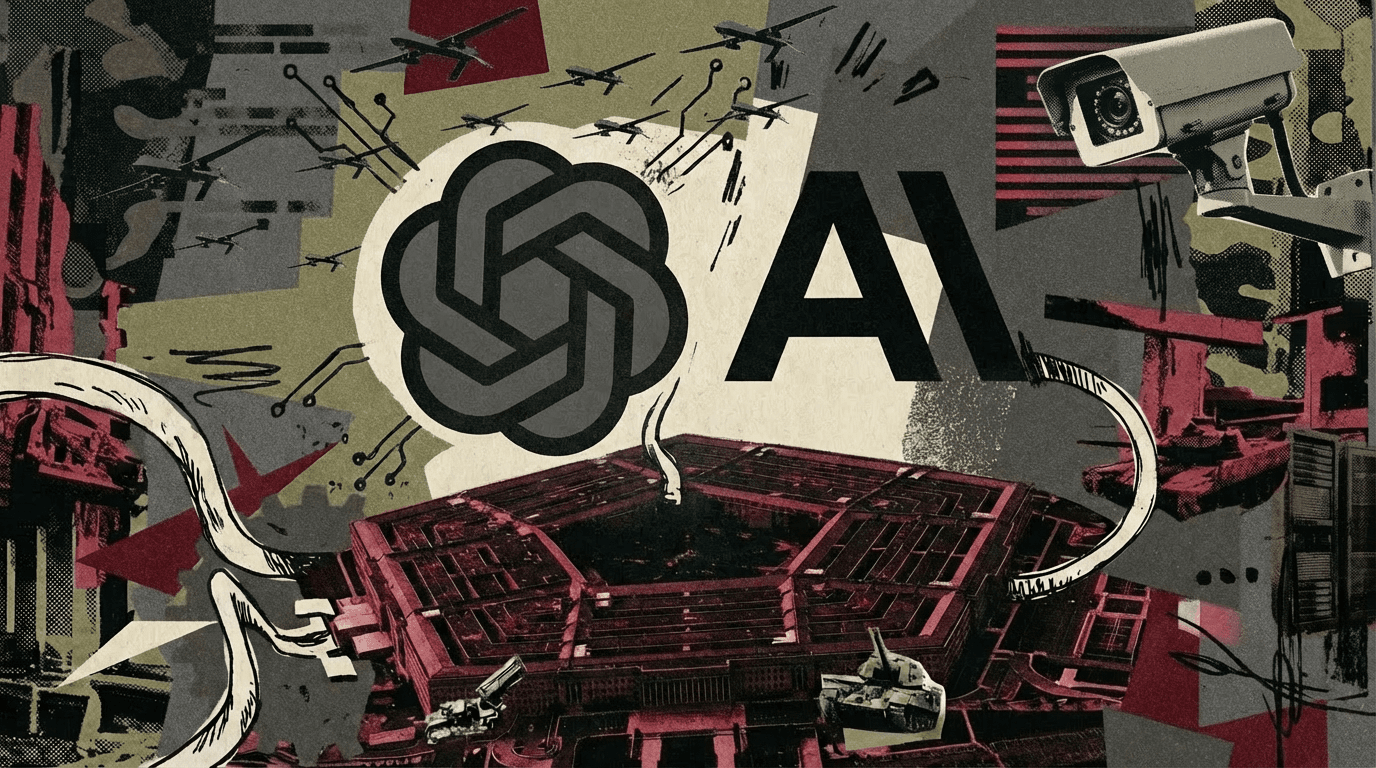
OpenAI's recent contract with the Pentagon is drawing scrutiny. Despite publishing contract details, skepticism remains. What does this mean for trust in AI partnerships?
OpenAI’s latest venture with the Department of Defense has stirred more than just industry talk. The ink is barely dry on their contract, yet the transparency act they hoped would build trust seems to be faltering. By making the contract details public, OpenAI aimed to assuage fears about their collaboration with military entities. However, skepticism lingers, suggesting this move might be more about optics than substance.
Transparency or Illusion?
The heart of the controversy lies in three loaded words: 'all lawful use.' Critics argue this phrase is a loophole, possibly allowing military applications that could extend far beyond current expectations. OpenAI's proactive disclosure seems noble on paper but does it truly reflect a commitment to ethical AI deployment? Or is it merely a preemptive strike against backlash?
In the fast-evolving AI landscape, partnerships with defense sectors aren’t new. What's important is how these alliances are structured and perceived. OpenAI’s attempt to court public trust by unveiling contract specifics might have misfired, raising more questions than it answers. If the AI can hold a wallet, who writes the risk model?
The Trust Factor in AI-Military Partnerships
Trust is a fragile commodity in tech, especially when AI is involved. The military’s interest in AI is hardly surprising. Its potential for strategic advantage is vast. Still, OpenAI’s role in this equation spotlights the ethical tightrope companies walk. Can they innovate without compromising core values? Slapping a model on a GPU rental isn't a convergence thesis, but when military contracts are involved, the stakes are undeniably higher.
The question isn’t just about what’s legally permissible but what’s morally responsible. The intersection is real. Ninety percent of the projects aren’t. As we scrutinize OpenAI's transparency efforts, a critical lens on 'all lawful use' might reveal more about the future of AI and military collaborations than the glossy promises made in press releases.
Looking Ahead
This situation sets a precedent. As more AI firms engage with defense sectors, the call for transparency will grow louder. But transparency alone isn't enough to dispel doubts. The industry needs reliable frameworks that ensure AI's ethical deployment aligns with public interest. It’s not merely about opening the books but proving that actions follow ethical guidelines.
For OpenAI, the challenge is clear: they must move beyond token gestures and demonstrate real accountability. Only then can they hope to regain the trust potentially lost in the wake of this Pentagon deal. Show me the inference costs. Then we'll talk.
Get AI news in your inbox
Daily digest of what matters in AI.