OpenAI's Codex Evolves: Empowering Non-Tech Professionals
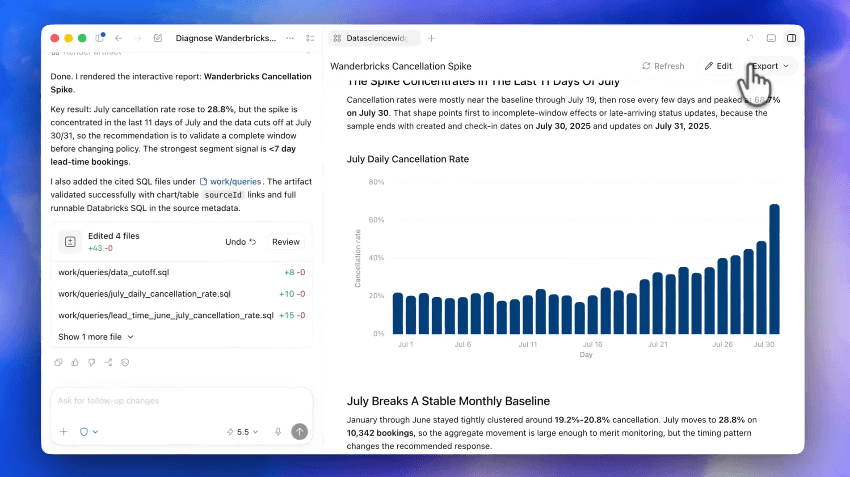
OpenAI expands Codex, making it accessible to non-technical professionals. This shift signals a broader trend towards democratizing AI tools.
OpenAI has introduced new features for its Codex automation tool, designed with non-technical professionals in mind. This marks a significant step forward for AI accessibility, occurring five months after Anthropic PBC rolled out similar enhancements for Claude Cowork.
Expanding Accessibility
Launched in April as a programming assistant within the ChatGPT interface, Codex originally operated on the codex-1 framework. The latest update aims to break down barriers for those without a coding background. But why the push towards inclusivity now? The answer might lie in a shifting landscape where the line between technical and non-technical roles is blurring.
The AI-AI Venn diagram is getting thicker, and organizations need tools that cater to a broader user base. By enabling non-programmers to harness the power of AI, OpenAI is effectively broadening its market reach while promoting a more agentic user experience.
Why It Matters
For businesses, the implications are clear. Anyone can now use AI insights without needing a software engineer's acumen. This isn't just a product update. It's a convergence of tech and strategy, positioning OpenAI as a leader in democratizing AI.
However, the real question remains: Who holds the keys when agents have wallets? As AI tools become more autonomous, the infrastructure for secure and efficient compute transactions becomes essential. The compute layer needs a payment rail to manage this new wave of agentic operations.
Looking Ahead
As AI continues to infiltrate various sectors, the demand for user-friendly interfaces will only grow. OpenAI's move is both strategic and necessary in a world where AI literacy is becoming as essential as digital literacy once was.
This update is more than an enhancement. it's a critical shift towards a future where AI isn't confined to the tech-savvy. By investing in accessibility, OpenAI isn't just building tools. They're developing the financial plumbing for machines and humans alike.
Get AI news in your inbox
Daily digest of what matters in AI.
Key Terms Explained
An AI safety company founded in 2021 by former OpenAI researchers, including Dario and Daniela Amodei.
Anthropic's family of AI assistants, including Claude Haiku, Sonnet, and Opus.
The processing power needed to train and run AI models.
The AI company behind ChatGPT, GPT-4, DALL-E, and Whisper.