OpenAI Ups the Ante with Codex's New Agentic Abilities
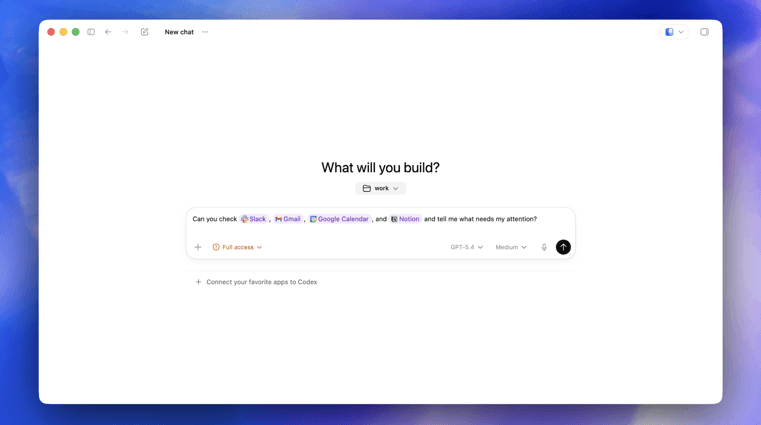
OpenAI's Codex update introduces agentic capabilities, intensifying the AI coding race with Anthropic. This move could redefine task automation in software development.
OpenAI Group PBC has made a bold move by upgrading its Codex AI tool with new agentic capabilities. This significant enhancement is a direct challenge to Anthropic PBC's Claude Code. The rivalry between these AI giants is heating up, and Codex’s advancements could shift the balance in this competitive landscape.
Elevating AI Task Automation
With the latest update, Codex can now handle more complex tasks autonomously. This is a leap forward from its previous iteration, where functionality was more limited. The potential here isn't just about writing code. It's about automating nuanced tasks in software development that previously required human intervention. Think about the efficiency gains if an AI can autonomously refactor code or debug a complex program. The implications for productivity are enormous.
A Fierce AI Battle
The competition with Anthropic highlights a larger trend in AI development. Both companies are pushing boundaries, but OpenAI's aggressive strategy is clear. They’ve thrown down the gauntlet with these enhancements. But here's the real question: can Codex's new capabilities live up to the hype? Show me the inference costs. Then we'll talk about market viability.
This isn't just about who has the more advanced technology. It's also about who can deliver the most practical solutions to developers. Slapping a model on a GPU rental isn't a convergence thesis. The true test will be in how these tools perform under the demands of real-world applications.
Why It Matters
For developers and companies, Codex's evolution could mean faster project turnarounds and reduced overhead costs. But it also raises questions about the future of developer roles. If AI continues progressing at this rate, what becomes of the traditional coding job? This move by OpenAI is as much about industry disruption as it's about technological superiority.
In the battle for AI coding supremacy, OpenAI’s investment in Codex suggests they're not content to just keep pace with competitors. They aim to lead. But leading comes with its own set of challenges, especially when reliability and cost-efficiency are on the line. Decentralized compute sounds great until you benchmark the latency, something both players will have to contend with.
The intersection of AI and software development is real. Ninety percent of the projects aren't. Yet, Codex's new capabilities could be part of the ten percent that truly matter. Whether they succeed will depend on how well these systems can integrate into existing workflows and their ability to deliver tangible results.
Get AI news in your inbox
Daily digest of what matters in AI.
Key Terms Explained
An AI safety company founded in 2021 by former OpenAI researchers, including Dario and Daniela Amodei.
A standardized test used to measure and compare AI model performance.
Anthropic's family of AI assistants, including Claude Haiku, Sonnet, and Opus.
The processing power needed to train and run AI models.