OpenAI, Trump Administration in Talks Over AI Stake: Public or Peril?
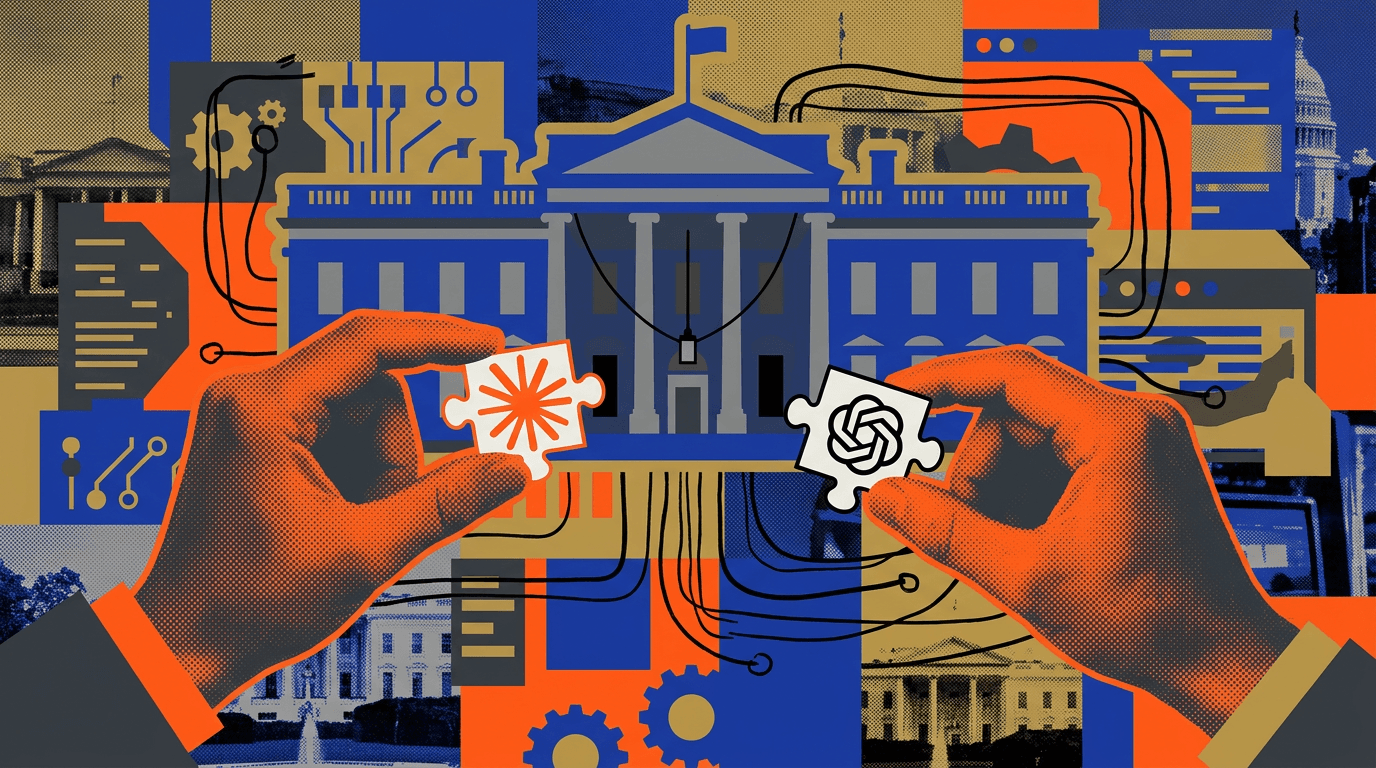
OpenAI and the Trump administration are exploring a potential government stake in the AI giant, with proposals for public wealth distribution. This move could redefine AI's economic impact, but risks are significant.
OpenAI and the Trump administration are in discussions about a groundbreaking move: a direct government stake in the AI powerhouse. This isn't just a partnership announcement. It's a convergence that could reshape the financial landscape of AI.
Public Wealth Fund: Innovative or Insidious?
The proposal includes creating a "Public Wealth Fund," designed to distribute dividends directly to American citizens. The idea might sound appealing, especially in an era where AI's economic contributions are both vast and concentrated. But the real question is, who truly benefits? If agents have wallets, who holds the keys? The idea of a public stake in such a key tech company might seem innovative, yet it also poses the risk of creating another entity that's too big to fail.
A Political Tug-of-War
Senator Bernie Sanders has thrown his hat into the ring, advocating for a substantial 50 percent tax on AI shares. This could serve as a counterbalance to the proposed wealth fund, ensuring that the public gets its fair share of AI's economic pie. However, critics argue that such a heavy tax could stifle innovation and drive AI development elsewhere. The AI-AI Venn diagram is getting thicker, and the political ramifications are yet to be fully understood.
Echoes of 2008?
Critics are already drawing parallels to the 2008 financial crisis, raising concerns that a government-backed AI stake could lead to another "too big to fail" scenario. The compute layer needs a payment rail, and such structures could either stabilize or destabilize the industry, depending on their execution. Can we afford to let history repeat itself, especially in a sector as transformative as AI?
Ultimately, this negotiation between OpenAI and the Trump administration isn't just about money or shares. It's about economic autonomy and the power dynamics within the AI industry. If the deal goes through, it could serve as a template for how governments engage with burgeoning AI giants. But the stakes are high, and the potential fallout could be unprecedented.
Get AI news in your inbox
Daily digest of what matters in AI.