OpenAI Snags Hiro Finance: A Bold Move into AI-Driven Financial Planning
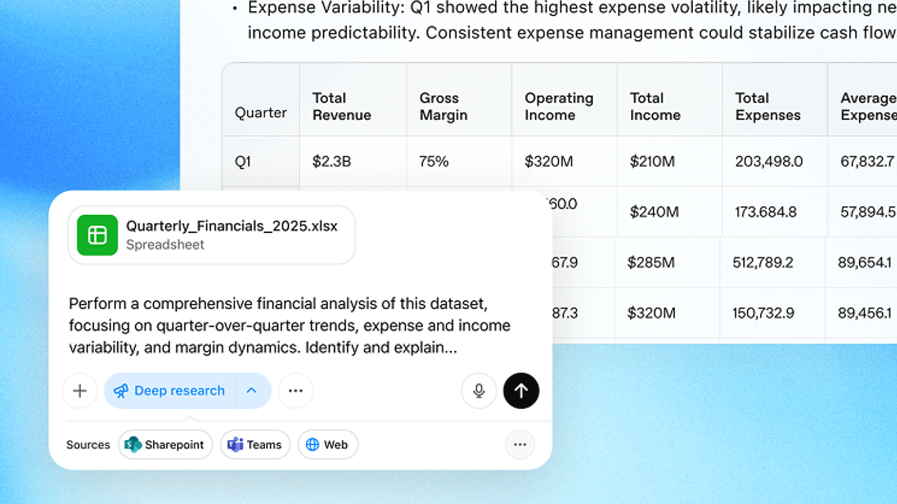
OpenAI's acquisition of Hiro Finance marks a important step into the world of AI-powered financial planning. What does this mean for the industry and why should we care?
OpenAI is making waves yet again. This time, it's stepping into the financial world by acquiring Hiro Finance, a startup with a knack for crafting AI-driven financial plans. The details of the deal are under wraps, but Hiro's got some notable backers, including Ribbit, General Catalyst, and Restive.
Why Financial Planning?
At first glance, financial planning might not seem like the most thrilling frontier for OpenAI. But think about it. Fintech is buzzing, and there's a massive demand for smarter, faster, and more personalized financial services. Hiro's AI tool speeds up creating financial plans, and that’s a big win for productivity and workflow. Management bought the licenses. Nobody told the team.
Impact on the Industry
The press release said AI transformation. The employee survey said otherwise. But the gap between the keynote and the cubicle is enormous, and it's where the real story unfolds. This acquisition sends a clear signal: AI's role in financial services is no longer just about automation. It's about reshaping how we think about money management altogether.
Is This the Future?
So what does this move mean for the rest of us? Are we looking at a future where our financial advisors are AI bots? It’s not as far-fetched as it sounds. OpenAI’s leap into financial planning is a bold one, hinting at a future where AI doesn’t just assist in decision-making but becomes the decision maker.
I talked to the people who actually use these tools, and they're cautiously optimistic. The potential is enormous, but change management and upskilling efforts will be key. Are companies ready to embrace this transformation? The real test will be in the adoption rates internally, not just in the announcements.
Get AI news in your inbox
Daily digest of what matters in AI.