Oil Prices Plunge as Hormuz Opens: Who Wins, Who Loses?
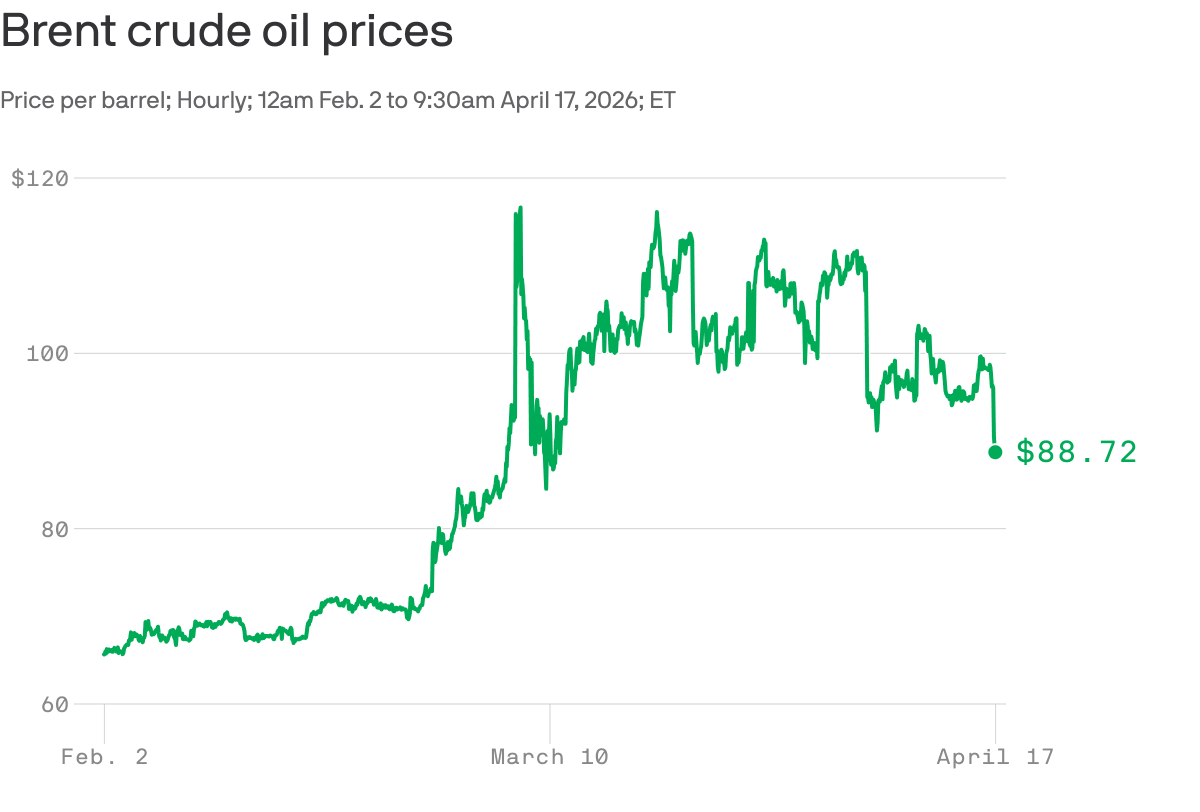
Oil prices nosedived over 10% after Trump and Iran announced the Strait of Hormuz is open, signaling potential relief in global energy shipments. But is this just a temporary reprieve?
Oil prices took a dramatic plunge, dropping over 10% on Friday. This came right after President Trump and Iran's foreign minister announced that the Strait of Hormuz, the key artery of global oil shipping, is now open for business. That news sent ripples through the markets, suggesting traders believe we've got some relief on the horizon.
The Impact
Oil traders are clearly betting on a change. When Iran's foreign minister Abbas Araghchi posted on social media that the strait is open for all commercial vessels during the ceasefire, it was a big deal. Soon after, Trump echoed this confirmation on Truth Social, insisting the passage is fully open. These announcements pushed Brent crude down to $88.90 per barrel, its lowest point in over a month, while WTI dropped to $83.35. U.S. stock futures also saw a lift, banking on the news.
But let's ask the real question: How many shippers will actually trust these claims enough to resume transit? The Strait of Hormuz isn't just any waterway. It handles about a quarter of the world's seaborne oil trade. That means any disruption or reassurance has global consequences.
Winners and Losers
Automation isn't neutral, and neither is geopolitics. The productivity gains went somewhere. Not to wages. With oil prices dipping, consumers might cheer lower gas prices at the pump in the short term. However, oil-producing nations could feel the pinch if the prices don't stabilize soon. The jobs numbers tell one story, but the paychecks tell another. This could mean trouble for oil industry workers already grappling with automation and wage pressures.
Plus, there's the bigger picture. If shippers aren't convinced this is a lasting change, we could see prices spike again. Are these announcements a genuine signal of peace or just a temporary pause in a long-standing conflict?
What to Watch
As the global stage waits to see how this unfolds, one thing's for sure: the market hates uncertainty. Traders, workers, and consumers alike are looking for stability. But with so much at stake, can we really bank on words alone? Automation and geopolitics both have their winners and losers. The next few weeks will tell us who comes out on top in this round of global chess.
Get AI news in your inbox
Daily digest of what matters in AI.