Oil Markets Brace for a Rollercoaster Summer
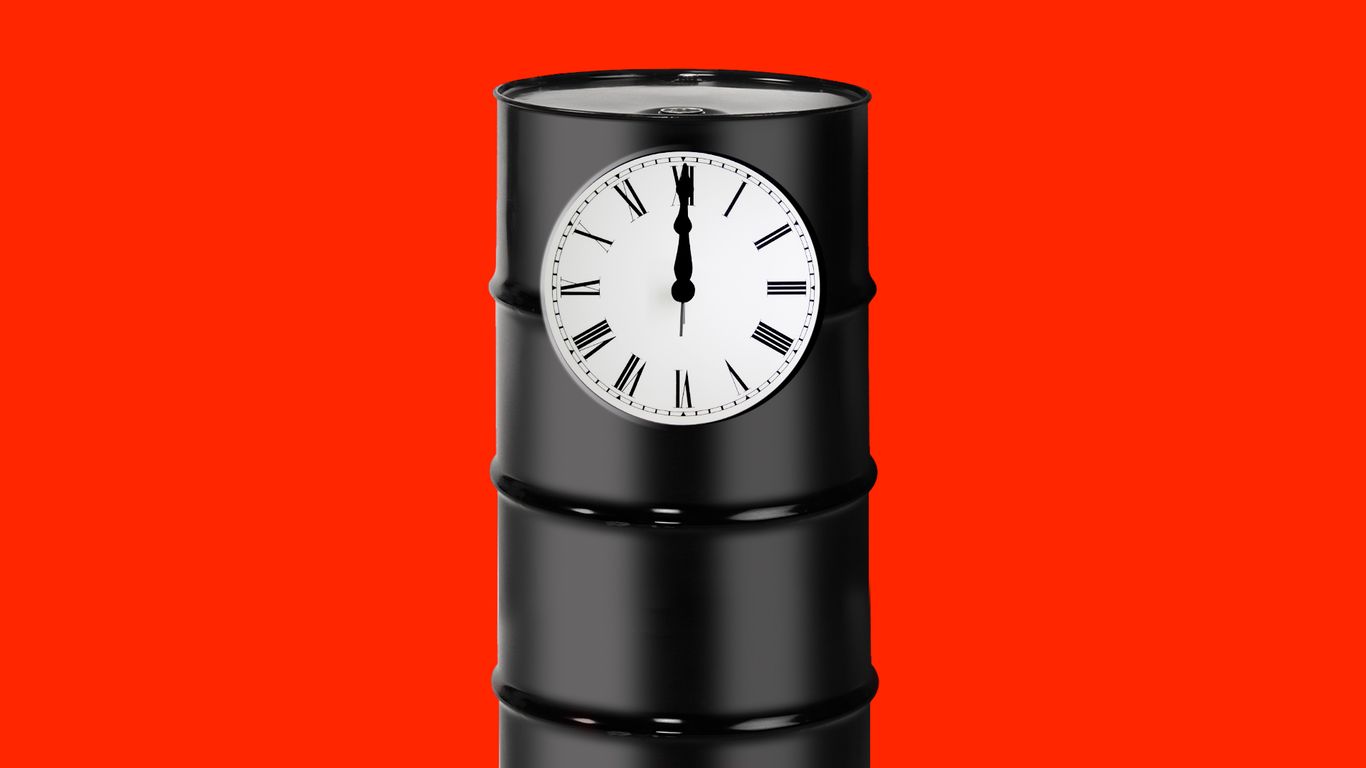
Oil prices have dodged the predicted explosion, but with reserves dwindling, a price rush could be imminent. As the Strait of Hormuz remains a choke point, the global oil scene waits with bated breath.
Oil prices have been playing a tricky game of dodgeball with predictions. The expected price hikes? Not here yet. But don't get too comfy. If the Strait of Hormuz stays shut, we're in for a bumpy ride this summer.
Why It Matters
If stockpiles run dry, prices at the pump could go from a pleasant dip to a harsh spike just as midterms loom. With major importers on edge, the stakes couldn't be higher.
The chatter in Washington hints at a deal with Iran. Yet, the whispers change faster than the DC weather. Meanwhile, Brent crude has dipped to $87.94, its lowest in three months. A sign of optimism or just market jitteriness?
The Looming Threat
Stockpiles can't last forever. Investment firm Macquarie warns that if the strait stays closed through Labor Day, Brent could climb to a painful $130-$150. Imagine $200 if this drags into 2027. Dire, meet reality check.
Oil execs are sounding alarms. Some inventories might hit zero in mere weeks. And when storage tanks hit their bottoms? That's when the real trouble starts.
US Stockpiles: Running on Fumes?
With U.S. stockpiles, including the Strategic Petroleum Reserve, depleting fast, the safety net is thinning. Aaron Brady from S&P Global Energy says we're nearing minimum operational levels. What happens when we hit that point? Price chaos.
Daniel Pickering from Pickering Energy Partners predicts U.S. storage could scrape minimums by summer's end. Without a buffer, prices will climb, and with them, gasoline prices. Feeling anxious yet?
Big Picture Perspective
Pre-war, global inventories were on the rise. But disruptions stopped oil prices short of the dreaded $150 per barrel. Other buffers have helped, think China's import declines and alternative pipeline routes.
U.S. crude storage dropped over 7 million barrels by June 5. Despite injections from the Strategic Petroleum Reserve, commercial supplies are vanishing fast.
Why? Rising U.S. oil exports are gulping down reserves. It's a double-edged sword, helping the global market but biting into domestic security.
Final Thoughts
The global oil system's flexibility is impressive, but how long can it juggle these disruptions? S&P Global Energy flags a "danger zone" when Midwest and Gulf Coast inventories dip below 325 million barrels. We're at 351 million now. How close are we to the edge?
The takeaway? Don't be fooled by temporary dips. Oil prices are a sleeping giant, and it might not take much to wake them up. Buckle up, because this summer looks anything but smooth.
Get AI news in your inbox
Daily digest of what matters in AI.