NVIDIA's Open Source Move: A Game Changer for AI Infrastructure
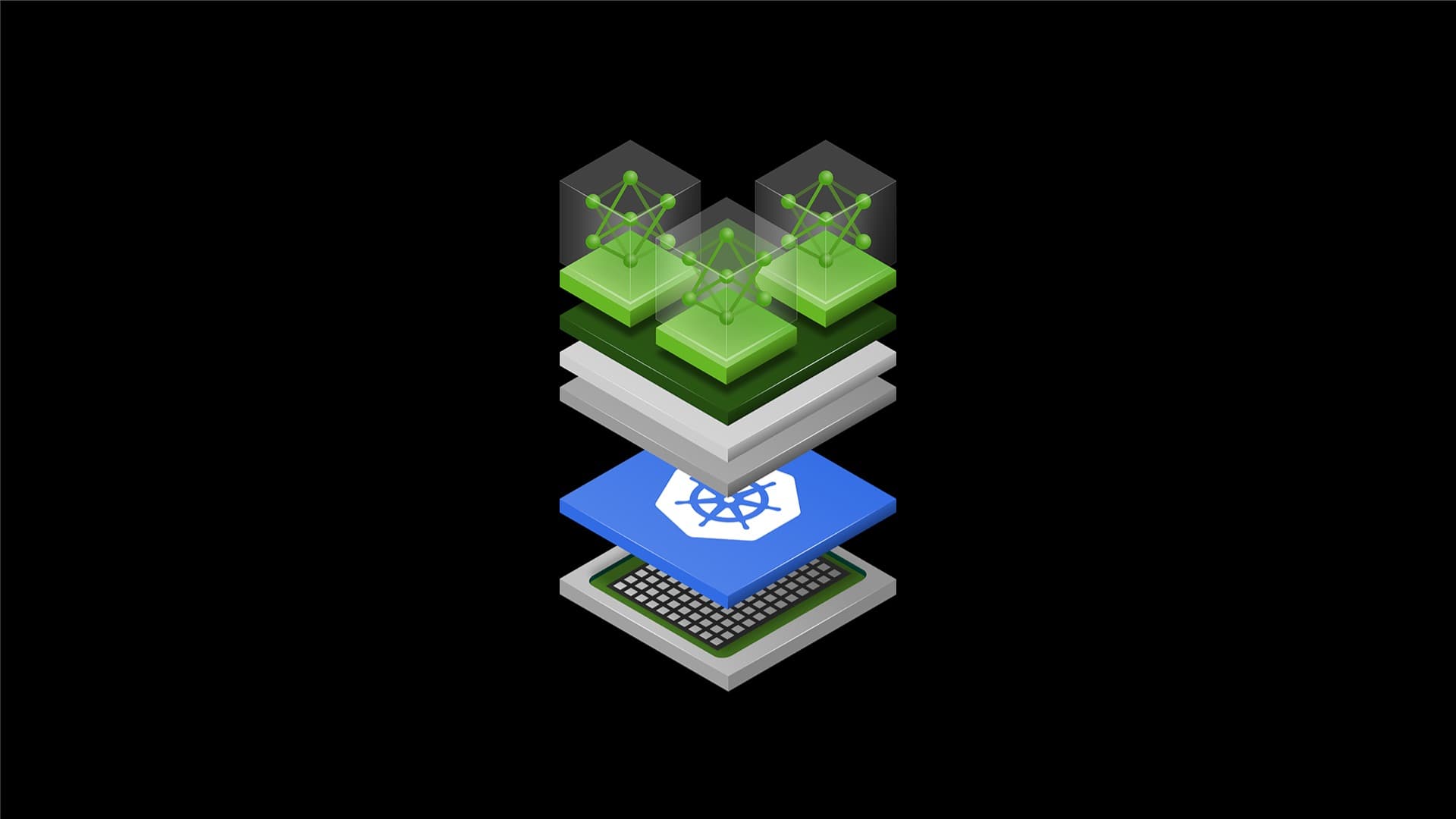
NVIDIA's donation of the Dynamic Resource Allocation Driver for GPUs to the Cloud Native Computing Foundation signals a shift towards community-driven innovation in AI infrastructure. This move enhances transparency and efficiency while fostering collaboration.
Artificial intelligence workloads are becoming important in modern computing. NVIDIA's recent contribution to the open source community could redefine how these workloads are managed.
Transforming AI Infrastructure
As AI continues to grow, Kubernetes has become the preferred platform for running these complex workloads. NVIDIA's decision to donate their Dynamic Resource Allocation (DRA) Driver for GPUs to the Cloud Native Computing Foundation is a strategic step. This donation was announced at KubeCon Europe in Amsterdam, marking a shift from vendor control to community governance.
What does this mean for developers? With the driver now under the Kubernetes project, a wider array of experts can improve and innovate the technology. The trend is clearer when you see it: open collaboration often leads to breakthroughs in efficiency and transparency.
Key Benefits for Developers
This move isn't just about transferring ownership. It's about simplifying AI infrastructure. Managing high-performance GPUs has historically been a challenge. The DRA Driver aims to change that with several key improvements.
Firstly, efficiency. The driver allows smarter sharing of GPU resources, supporting NVIDIA's Multi-Process Service and Multi-Instance GPU technologies. Visualize this: better resource allocation leads to more effective computing power use.
The driver also provides massive scale capabilities. With native support for NVIDIA Multi-Node NVlink interconnect technology, it's now easier to connect systems for training colossal AI models. Flexibility is another benefit. Developers can dynamically reconfigure hardware to suit their needs, adjusting resources on the fly.
A Broader Open Source Horizon
NVIDIA's moves are part of a larger push toward open source. They're collaborating with industry giants like Amazon Web Services, Google Cloud, and Red Hat. Why? To drive these enhancements across the cloud-native ecosystem. Chris Wright, CTO of Red Hat, emphasized the role of open source in standardizing AI infrastructure. This collaboration isn't just beneficial, it's essential.
NVIDIA's donation isn't an isolated event. They're expanding with projects like NVSentinel and AI Cluster Runtime, further supporting the open source community. Notably, the KAI Scheduler onboarded as a CNCF Sandbox project is set to revolutionize how we think about AI workload scheduling.
One chart, one takeaway: the shift towards open source for AI infrastructure isn't just a trend, it's the future. With NVIDIA's influence and the community's input, the pace of innovation in AI will only accelerate.
Get AI news in your inbox
Daily digest of what matters in AI.
Key Terms Explained
The science of creating machines that can perform tasks requiring human-like intelligence — reasoning, learning, perception, language understanding, and decision-making.
Graphics Processing Unit.
The dominant provider of AI hardware.
The process of teaching an AI model by exposing it to data and adjusting its parameters to minimize errors.