NVIDIA's New Gaming Tech: More Than Just Virtual Worlds
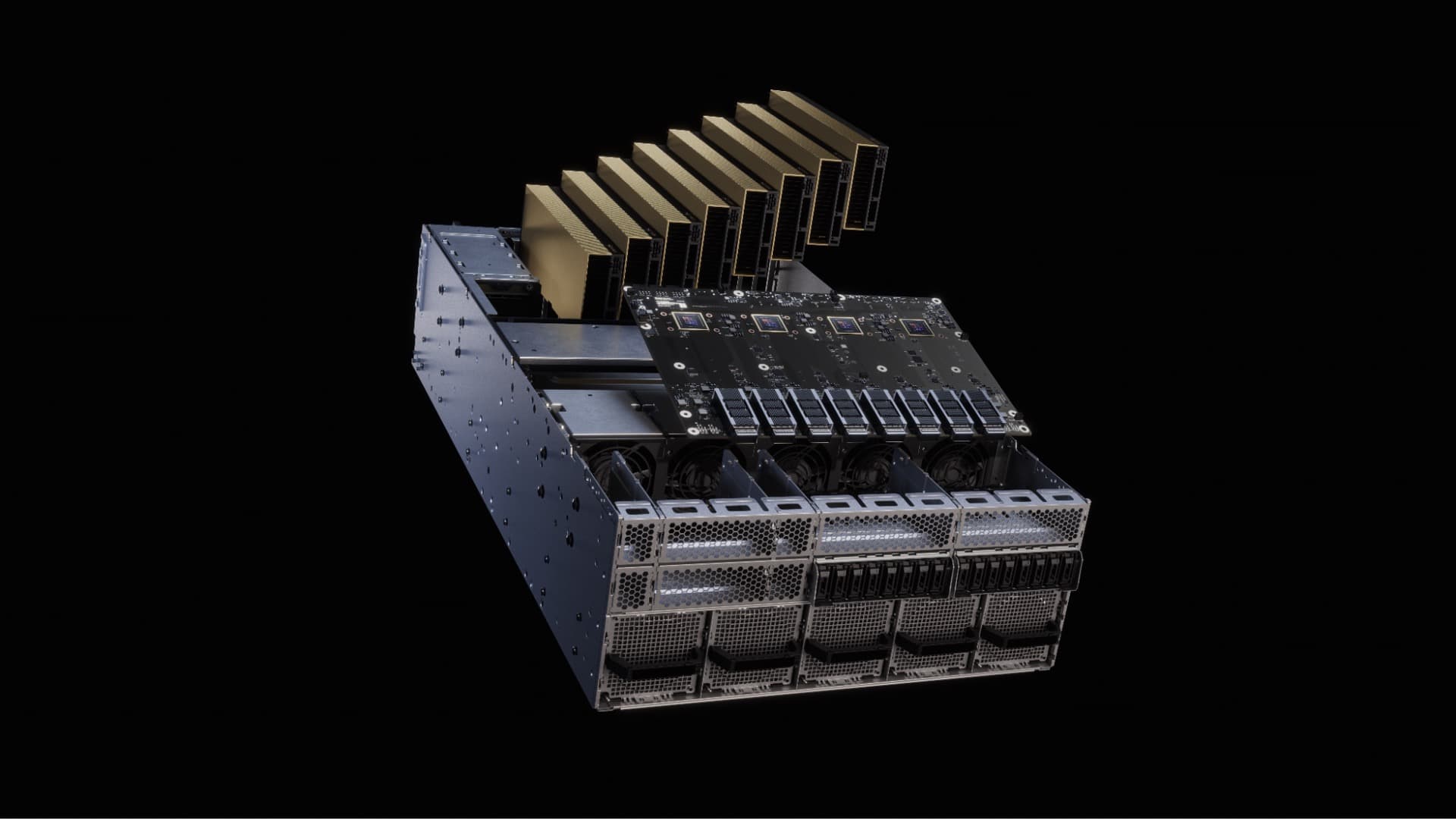
NVIDIA is transforming game development with its RTX PRO Servers, blending AI and traditional graphics to centralize workflows. But is gaming ready?
Game development isn't just about creating immersive worlds anymore. It's about managing massive, complex workflows that stretch across the globe. But here's the catch. Many studios still rely on hardware that's, well, pretty much stuck in the past. Enter NVIDIA with a fresh vision at the Game Developers Conference in San Francisco.
Why Centralized Gaming is the Future
Picture this. You've got game studios working on sprawling environments with teams scattered everywhere. Yet, they're tethered to fixed GPU hardware. NVIDIA's RTX PRO Servers are set to change that. By centralizing and virtualizing game development workflows, these servers aim to make easier creative processes, engineering tasks, and AI research. It's all about shared resources, right in the data center.
But let's be real. It's not just about pooling resources. It's about maintaining the high-level performance and visual quality teams expect. With centralized GPU infrastructure, studios can flexibly run AI training at night and switch to interactive development during the day. Efficiency meets adaptability.
Simplifying the Chaos
As studios expand, so do their problems. Hardware sits idle in one place while teams are left waiting. Bugs turn elusive as diverging tools muddle the scene. NVIDIA's solution? Consolidate everything with the RTX PRO Server. By centralizing GPU power, studios can allocate resources based on demand, supporting multiple teams without the need to expand their physical hardware footprint.
The farmer I spoke with put it simply, "It's like having more hands in the field without the extra costs." That's the promise of centralization. But, will it deliver?
AI and Gaming: A Match Made in Tech Heaven?
AI is no longer a buzzword. It's becoming a staple in game development. From coding to live operations, AI's reach is expanding. But it begs the question, is the gaming industry truly ready to embrace AI-powered workflows alongside traditional graphics?
NVIDIA thinks so. With their RTX PRO 6000 Blackwell Server Edition GPU, boasting a hefty 96GB memory buffer, the possibilities are endless. This tech can handle demanding applications while simultaneously supporting AI inference. Plus, with NVIDIA's Multi-Instance GPU (MIG) technology, studios can securely divvy up GPU capacity across various teams and tasks. It’s not just about replacing workers. It's about reach.
In practice, this could mean game studios cutting down on idle capacity while boosting collaboration. But, does this mark a turning point or just another tech fad?
Get AI news in your inbox
Daily digest of what matters in AI.