NVIDIA's New AI Models: The Quiet Revolution of Local Agents
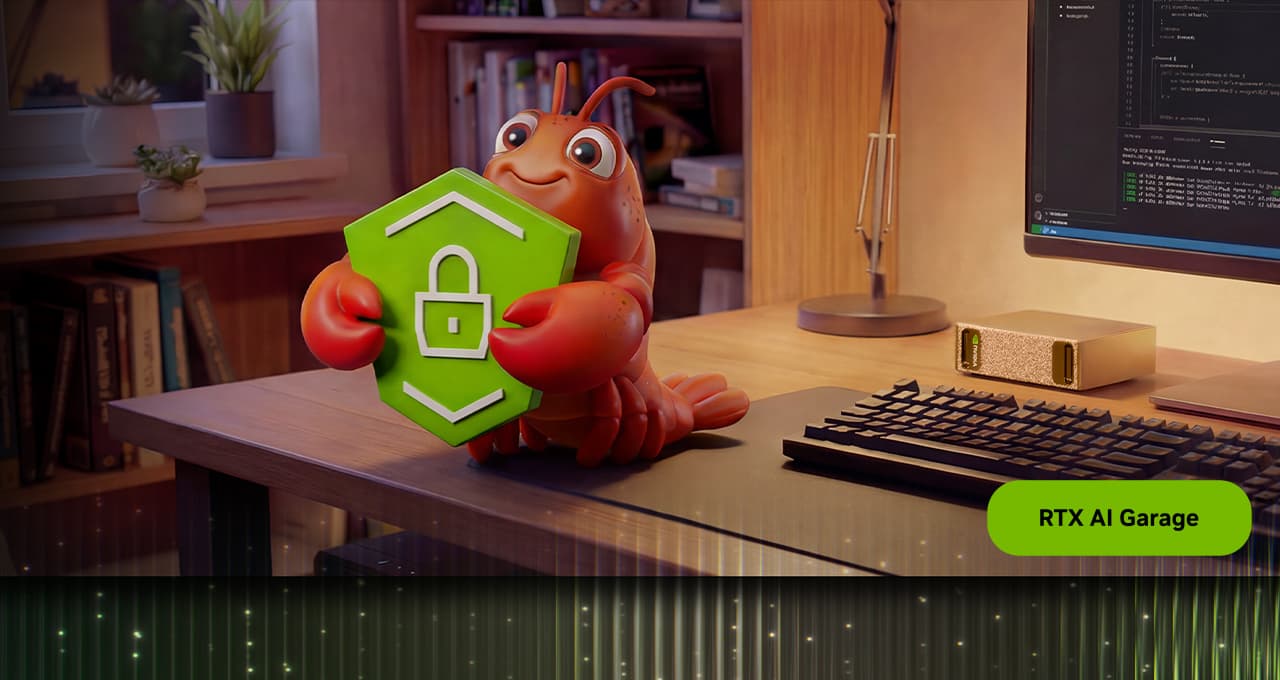
NVIDIA's GTC 2026 unveils AI models promising to change personal computing with local agents. These models aim to boost privacy and security while enhancing performance.
The latest NVIDIA GTC highlights a shift in personal computing, introducing AI models that redefine how we interact with our devices. The focus is on agent computers, a new category positioned to run personal AI agents privately and efficiently.
Local Models: A New Era
With models like Nemotron 3 Super and Mistral Small 4, NVIDIA is pushing the envelope by bringing cloud-level AI quality to local machines. Nemotron 3 Super boasts 120 billion parameters and tops the PinchBench with an impressive 85.6%. It’s designed for high-performance scenarios, perfect for the DGX Spark workstation users.
Mistral Small 4, not far behind, offers a compact yet powerful solution for general chat and coding tasks. It's a testament to the idea that enterprise AI is boring, and that's why it works. But why care about these numbers? Because they translate to faster, more secure AI operations, freeing users from the vulnerabilities tied to cloud-based systems.
Security and Privacy at the Forefront
The introduction of NVIDIA's NemoClaw stack underscores a strong commitment to privacy. Running models locally not only means no token costs, but also enhanced security, vital in an era where data breaches are rampant. With OpenClaw optimizations, users gain control over their data, a significant advantage in today’s digital landscape.
Isn’t it time we moved away from the cloud reliance for AI? The container doesn’t care about your consensus mechanism. What matters is the unprecedented security and privacy that these local models provide, setting a new standard for AI-driven personal computing.
Creative AI and Beyond
Beyond personal agents, NVIDIA's recent releases show a commitment to creative AI. With LTX 2.3 and FLUX.2 Klein 9B updates, video and image editing speeds have doubled. These advancements make high-quality visual content creation more accessible, pushing NVIDIA's influence beyond traditional computing into the creative industry.
It's clear: NVIDIA isn't just adapting to AI trends but leading them, quietly revolutionizing how we think about personal and creative computing. The ROI isn't in the model. It's in the 40% reduction in document processing time and the freedom from cloud dependencies, offering users a glimpse into a more secure, efficient future.
Get AI news in your inbox
Daily digest of what matters in AI.