NVIDIA's JetPack 7.2: Bringing AI to the Edge with Power and Precision
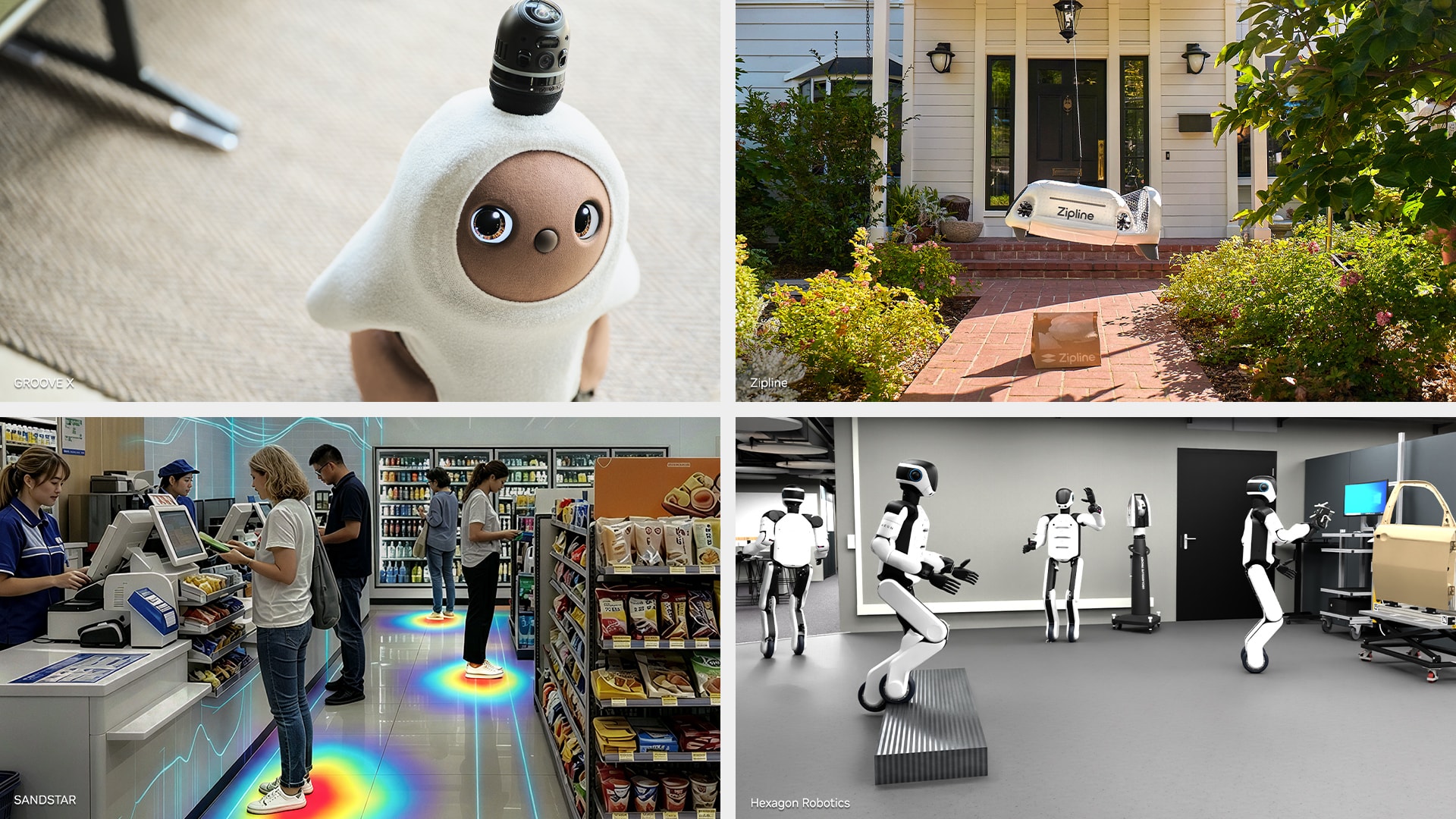
NVIDIA's JetPack 7.2 release marks a significant step in advancing AI capabilities on the edge, enhancing the Jetson platform with agent skills and the NemoClaw framework. This innovation promises faster deployment and improved performance in industrial and robotics applications.
NVIDIA's latest announcement at COMPUTEX, unveiling JetPack 7.2 and NemoClaw support on its Jetson platform, marks a turning point moment for agentic AI. This new release isn't just about incremental improvements. it's a leap towards making AI truly tangible robotics and industrial automation.
The Technical Leap
JetPack 7.2 introduces a host of enhancements, including Yocto project support and the integration of NVIDIA CUDA 13, specifically designed for the Jetson Orin. More impressively, this update delivers a substantial performance boost on the Jetson AGX Orin 32GB module, elevating its AI compute power to 241 TOPS, a 20% increase.
The Multi-Instance GPU (MIG) support on NVIDIA Jetson Thor is particularly noteworthy. For developers, this means that dedicated GPU resources can now be reserved for tasks demanding precise timing, such as real-time robot perception systems. Precision matters more than spectacle in this industry. But the demo impressed. The deployment timeline is another story.
Bringing AI to the Edge
With the introduction of NemoClaw, NVIDIA aims to transition agentic AI from the confines of servers and workstations to real-world applications. This framework provides a reliable foundation for robotics, inspection, and industrial automation, making AI agents more accessible and deployable.
Deepu Talla, NVIDIA's vice president of robotics and edge computing, emphasizes that the Jetson platform's programmability and high performance allow for immediate deployment of physical AI agents at the edge. This capability is key for accelerating time to market and reducing total cost of ownership.
Real-World Applications
The implications of these advancements are already being felt across various industries. Companies like Solomon and Advantech are employing NemoClaw to enhance humanoid robots and factory automation, respectively. These applications showcase the potential for AI to revolutionize operations, from optimizing task execution to improving safety and efficiency in complex environments.
On the factory floor, the reality looks different. While the advancements are promising, the gap between lab and production line is measured in years. Developers and manufacturers will need to bridge this gap, ensuring that these innovations translate into tangible benefits.
A Future of AI-Driven Efficiency
As AI continues to evolve, the focus is shifting towards memory optimization and cost efficiency. SandStar's experience, where they managed to reduce memory usage by 40%, exemplifies this trend. By migrating from 16GB to 8GB devices, they significantly cut deployment costs while maintaining high performance.
So, what's next for NVIDIA and its Jetson platform? The potential applications are vast, spanning from smart city solutions with Rebotnix to immersive real estate experiences with ANIWEAVE and Avalanche Computing. The technology is here, but the real question remains: how quickly can industries integrate these advancements into their existing ecosystems to reap the full benefits?
Get AI news in your inbox
Daily digest of what matters in AI.
Key Terms Explained
Agentic AI refers to AI systems that can autonomously plan, execute multi-step tasks, use tools, and make decisions with minimal human oversight.
The processing power needed to train and run AI models.
NVIDIA's parallel computing platform that lets developers use GPUs for general-purpose computing.
Graphics Processing Unit.