NVIDIA's Bold Move: Scaling AI to Defy Limits
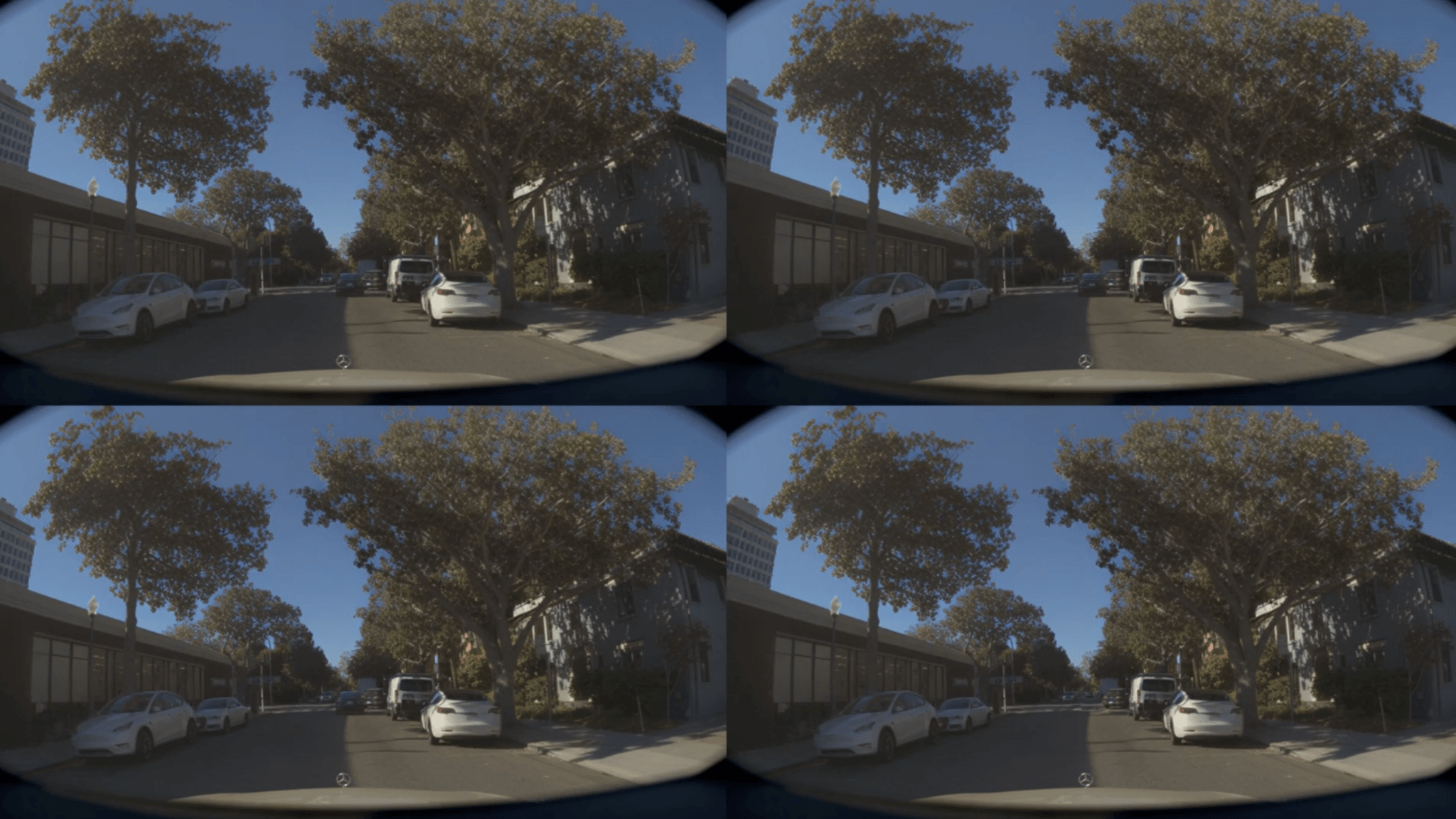
NVIDIA's latest AI models aim to break conventional boundaries in robotics, autonomous driving, and virtual training. But are they as groundbreaking as they claim?
NVIDIA's recent unveiling at the Computer Vision and Pattern Recognition (CVPR) conference raises some eyebrows. They're not just pushing boundaries in AI, they're aiming to redefine them. Their latest contributions target three distinct areas: robotics, autonomous driving, and virtual training environments. The question is, do these models live up to the hype?
GraspGen-X: A Game Changer or Overhyped?
NVIDIA touts GraspGen-X as a revolutionary leap in robotic grasping. Unlike traditional models tethered to specific grippers, this foundation model was trained on a staggering 2 billion simulated grasps. The promise? A universal model that can adapt to any gripper without retraining. Yet, one must ask, is this truly a breakthrough or just a clever workaround for a longstanding problem? The burden of proof sits with the team, not the community.
By eliminating the need for per-gripper training, GraspGen-X could indeed simplify operations for robotics companies. It's a bold claim. But let's apply the standard the industry set for itself. Will it deliver consistent results across varied environments, or will we see a gap between simulated and real-world performance?
LCDrive: Speeding Up Autonomous Decisions
In autonomous vehicles, speed isn't just about motion. It's about decision-making. NVIDIA's LCDrive aims to enhance this by swapping wordy reasoning with compact latent representations. This shift could cut the processing load in half. But does it sacrifice accuracy for speed?
LCDrive's architecture swings between proposing actions and predicting outcomes, but if this method holds up under the unpredictable challenges of real-world driving. Show me the audit.
NitroGen: Training in Virtual Realities
Virtual environments offer an intriguing playground for AI training. NitroGen leverages NVIDIA's Isaac GR00T architecture to train agents across thousands of games. With over 40,000 hours of interaction, these agents are supposed to generalize across a variety of tasks. But is this just a high-tech way to perfect gaming AIs, or does it have broader implications?
While the potential for more nuanced non-playable characters and AI companions in games is exciting, one can't ignore the larger question. How well do these virtual accomplishments translate to tangible, real-world applications? Skepticism isn't pessimism. It's due diligence.
NVIDIA's initiative is commendable, but as we embrace these technological leaps, we must demand accountability and transparency. The industry improves when someone pushes back on the claims and ensures that promises align with real-world application.
Get AI news in your inbox
Daily digest of what matters in AI.
Key Terms Explained
The field of AI focused on enabling machines to interpret and understand visual information from images and video.
A large AI model trained on broad data that can be adapted for many different tasks.
The dominant provider of AI hardware.
The ability of AI models to draw conclusions, solve problems logically, and work through multi-step challenges.