Nvidia's Bold Leap Into Physical AI: What It Means for Robotics
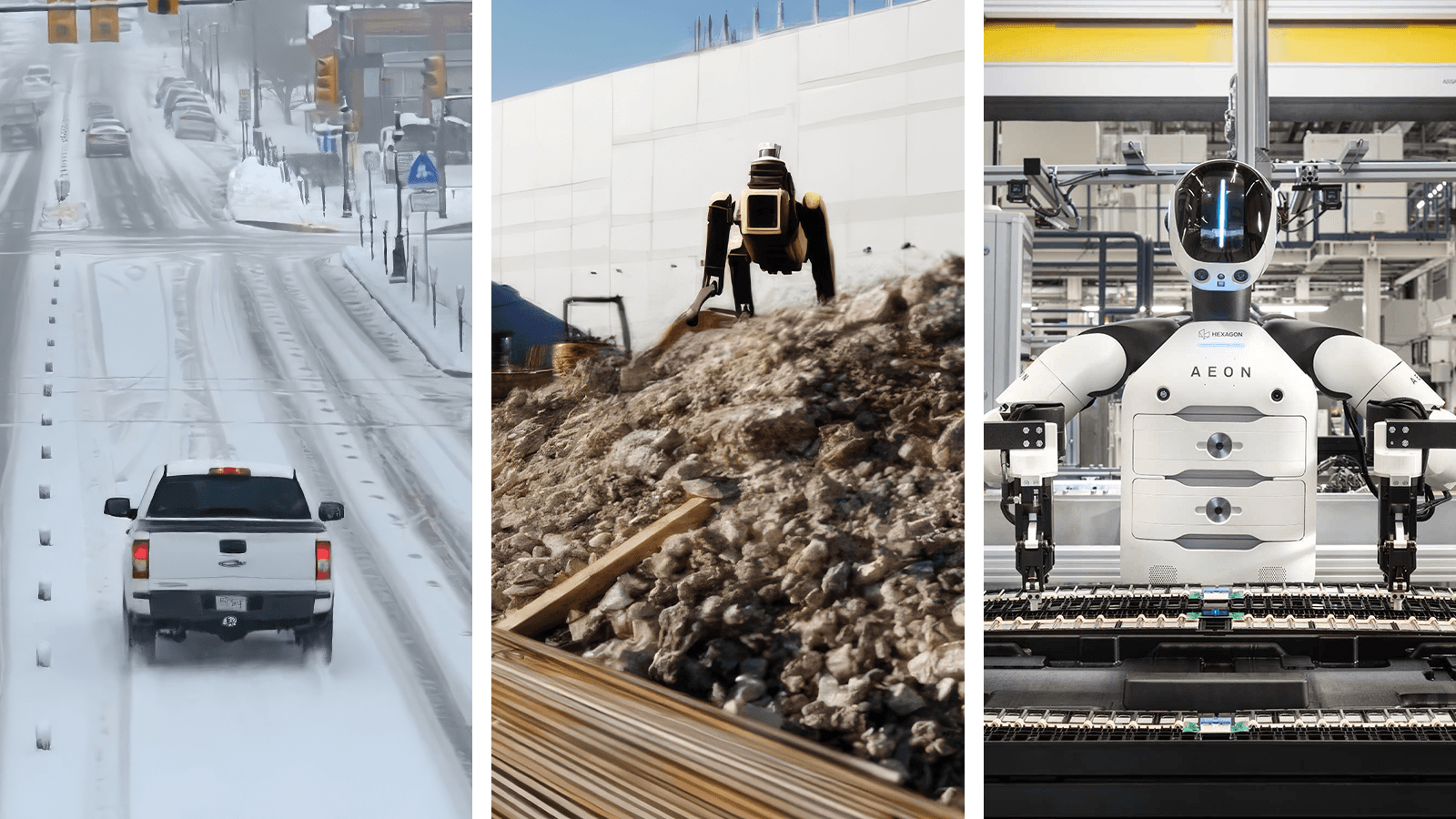
Nvidia's latest push into physical AI at GTC 2026 promises significant advancements in autonomous vehicles and industrial robots. As they shift the focus from data to compute, the robotics landscape could see transformative changes.
Nvidia is making a big move in the physical AI space, as announced at GTC 2026. By 2027, we're set to see autonomous vehicles equipped with Nvidia's technology cruising through the streets of Los Angeles, partnered with Uber. But it doesn't stop there. Industrial robots from giants like FANUC and ABB will soon be powered by Nvidia's advanced AI systems. The goal? To tackle the industry's persistent data problem by turning it into a compute challenge.
The Shift to Compute
Instead of drowning in data, Nvidia is betting that refining the computational horsepower will unlock new capabilities for robotics. This isn't just about making humanoid robots more dexterous or intelligent. It's about fundamentally altering how we think about AI deployment in real-world settings.
Silicon Valley designs it. The question is where it works. The story looks different from Nairobi. On the ground, in places where infrastructure might not be as developed, the need for strong and scalable AI solutions is immense. Nvidia's move could democratize access to high-end robotics, making it feasible even for regions that were previously left out of the tech boom.
Implications for Emerging Economies
Automation doesn't mean the same thing everywhere. In emerging economies, this could lead to a significant leap in productivity. The farmer I spoke with put it simply: it's not just about replacing human labor. It's about expanding reach and capability. Imagine a smallholder farmer who can now scale operations thanks to cost-effective and intelligent machines.
But let's ask the hard question: Will these advancements truly reach the last-mile users who need them the most? In practice, the local context often dictates success. Affordability, durability, and maintenance are key. If Nvidia can address these in their rollout, the impact could be profound.
Looking Ahead
This isn't just a tech upgrade, it's a potential industry overhaul. Yet, skepticism remains. Will these high-tech solutions translate into tangible benefits? Or are we just witnessing another tech giant chasing headlines? The future of robotics might just be resting on how Nvidia handles this ambitious expansion.
Get AI news in your inbox
Daily digest of what matters in AI.