Nvidia's Bold $20B Move: Groq and the Rise of Heterogeneous Computing
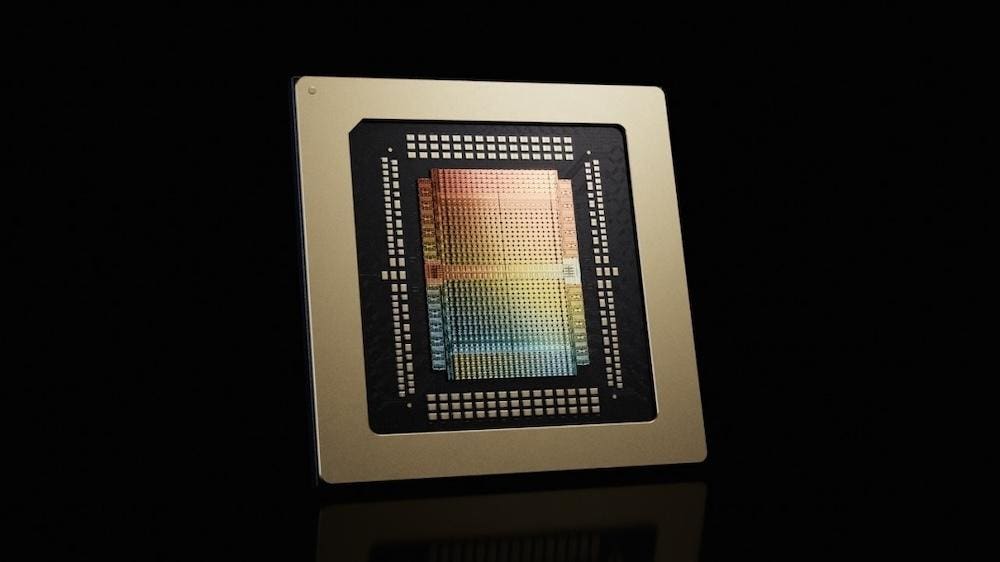
Nvidia's $20B acquisition of Groq and the introduction of Groq 3 LPU at GTC 2026 marks a shift from traditional GPU-centric AI to diverse computing strategies.
Nvidia's recent $20 billion acquisition of Groq isn't just a headline-grabber. It's a strategic bet on the future of AI computing, unveiled at GTC 2026 with the debut of Groq's third-generation Learning Processing Unit (LPU). This isn't a partnership announcement. It's a convergence of AI paradigms.
Moving Beyond GPUs
For years, Nvidia's dominance in the AI space has been underpinned by its GPUs. However, as AI models grow more complex, the need for heterogeneous computing architectures becomes increasingly apparent. Groq's LPUs represent a pivot from reliance on GPUs alone. Nvidia is acknowledging that the future of AI requires more than just beefier graphics cards.
Why is this important? AI workloads are diversifying rapidly. From natural language processing to autonomous vehicles, the types of computations required vary drastically. A one-size-fits-all approach with GPUs isn't optimal anymore. Groq's technology could offer the flexibility required to handle these diverse demands efficiently.
Investment in Flexibility
The Groq 3 LPU represents a shift towards more adaptable computing strategies. Unlike traditional GPUs, LPUs are designed for specific AI tasks, allowing for more efficient processing. Nvidia's investment suggests a future where AI infrastructure is tailored to specific use-cases, not just scaled up.
This raises a pertinent question: In a world where AI applications are multiplying, can a GPU-centric approach keep pace? Nvidia seems to think not. By integrating Groq's technology, they're placing a significant bet on versatility. The AI-AI Venn diagram is getting thicker.
The Strategic Implications
This acquisition is more than just a financial maneuver. It's a recognition that AI infrastructure needs to evolve with the complexity of AI applications. The compute layer needs a payment rail that allows for efficient deployment across varied tasks. With Groq, Nvidia aims to provide that infrastructure.
The introduction of Groq 3 LPU at GTC 2026 is just the beginning. As industries demand more specialized AI solutions, Nvidia's strategic move might just pave the way for a new era of AI computing, one where adaptability trumps raw power. If agents have wallets, who holds the keys? Perhaps Nvidia is positioning itself as the custodian of AI's financial plumbing.
Get AI news in your inbox
Daily digest of what matters in AI.