Nvidia's AI Vision: Augmenting, Not Replacing Software
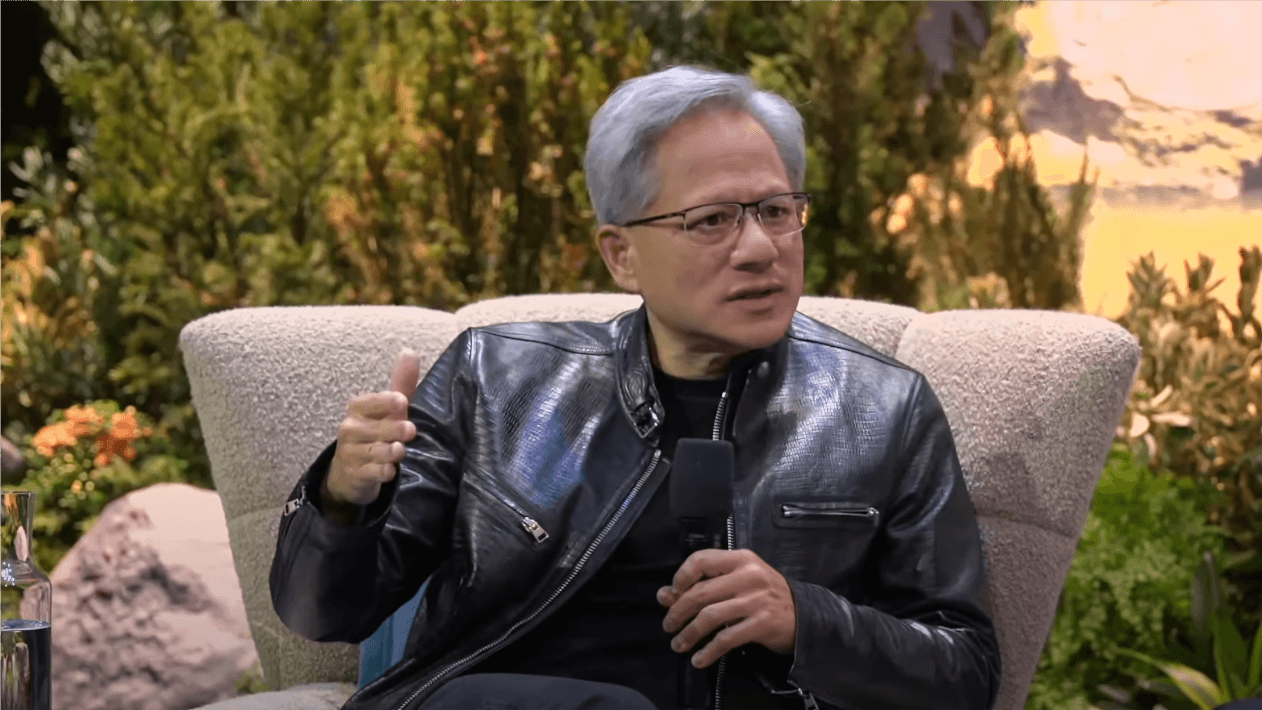
Nvidia CEO Jensen Huang refutes claims that AI will render traditional software obsolete, outlining a strategy that harmonizes AI agents with existing software.
Jensen Huang, CEO of Nvidia, has made it clear: the notion that AI will obliterate traditional software is, in his words, 'ridiculous.' Instead, he envisions a future where AI serves to enhance the robustness and capabilities of current software systems. Nvidia's recent overhaul of its rack architecture underscores this strategic direction.
AI as an Enhancer, Not a Replacement
Nvidia's approach isn't about replacing software but augmenting it. Huang envisions AI agents working in concert with existing applications, thereby enhancing their functionality rather than rendering them obsolete. This perspective is important for developers and enterprises alike, as it shifts the focus from fear of displacement to opportunities for innovation.
The specification is as follows: Nvidia's redesigned rack architecture is engineered to support this symbiotic relationship between AI and traditional software. The company's commitment to evolving its infrastructure reflects a broader industry trend towards harmonization rather than disruption.
The Economic Implication
Why should this matter to stakeholders? The answer is straightforward. Businesses relying on existing software ecosystems can continue to innovate without the fear of sudden obsolescence. This change affects contracts that rely on the previous behavior of legacy systems, but not in a disruptive manner. Instead, it allows for a gradual integration of AI capabilities that can drive efficiency and productivity.
Imagine a future where AI agents can take over mundane tasks, allowing software to focus on more complex functions. This is a transformative vision, one that doesn't discard the past but builds upon it. In essence, Nvidia isn't just preserving backward compatibility but is setting the stage for a new era of software enhancement.
What Does This Mean for Developers?
For developers, the implications are clear. The need to continually learn and adapt to new technologies remains, but the fear of AI-induced obsolescence should be tempered by Huang's assertion. Developers should note that this strategic vision opens avenues for constructing more intelligent applications that take advantage of AI as a tool, not a competitor.
This perspective prompts a critical question: Are enterprises prepared to pivot and embrace this augmented future? The shift requires not just technological adjustments but a change in mindset, a willingness to see AI as a partner in progress.
Ultimately, Nvidia's stance is a clarion call for the industry. it's a call to innovate without fear, to integrate AI not as a replacement but as an enhancement. This is the future Nvidia is building towards, and it's a future worth investing in.
Get AI news in your inbox
Daily digest of what matters in AI.