Nvidia Shines in MLPerf 6.0, But AMD and Intel Play Their Cards Differently
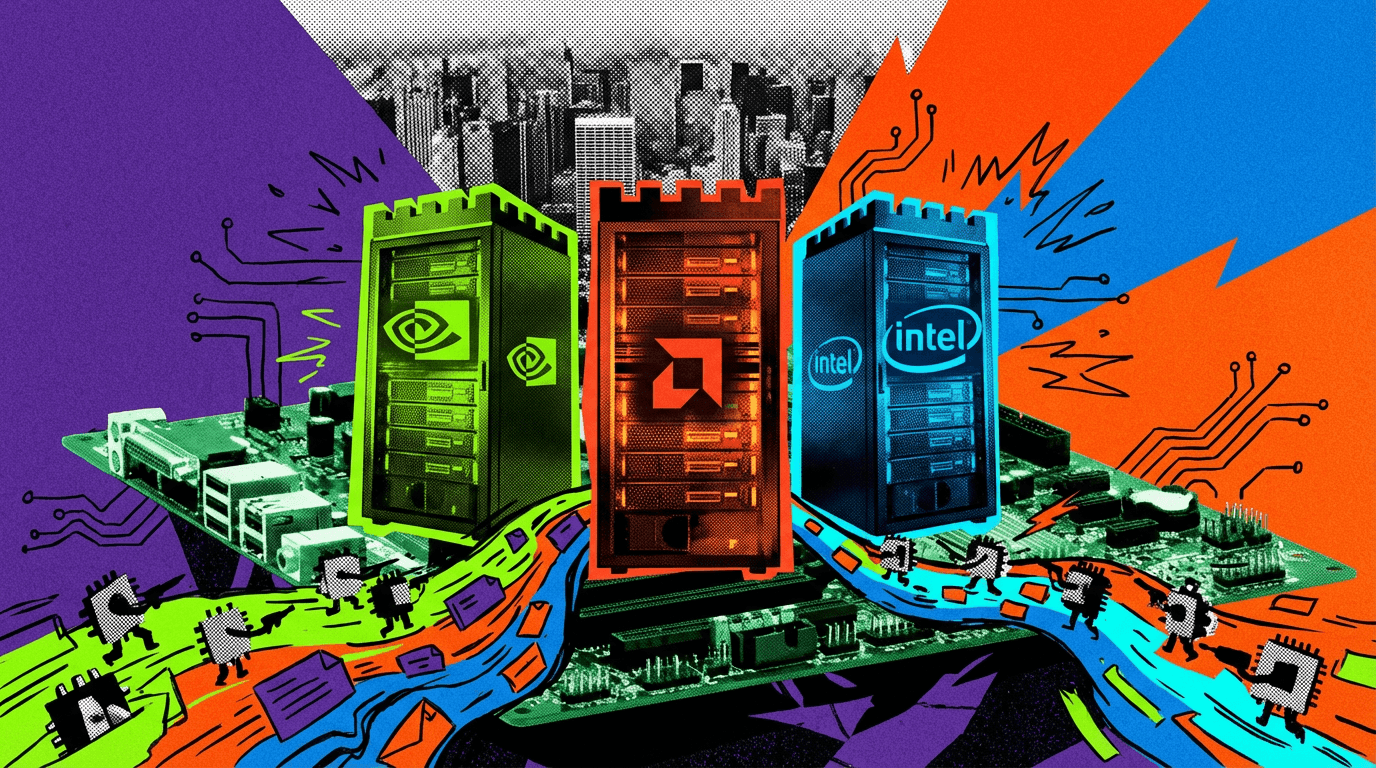
The MLPerf 6.0 benchmark highlights the evolving battle between Nvidia, AMD, and Intel. While Nvidia showcases raw power, AMD and Intel focus on specific metrics.
The latest MLPerf 6.0 benchmark introduces a fresh challenge for the AI industry, spotlighting multimodal and video models for the first time. Nvidia, AMD, and Intel all participated, but each with a different focus. The result is a fascinating, albeit complex, landscape for inference evaluations.
Nvidia's Dominance
Nvidia opted for sheer muscle, deploying 288 GPUs to set new MLPerf records. It’s a classic display of Nvidia's commitment to pushing the boundaries of raw processing power. But is sheer power enough? Nvidia's approach underscores its belief in muscle over nuance. However, the reality is that in some cases, the architecture matters more than the parameter count.
AMD and Intel's Unique Approaches
On the other hand, AMD and Intel are charting their own paths, emphasizing different metrics. AMD is honing in on energy efficiency and cost-effectiveness. Intel, meanwhile, targets versatility and ease of integration. These strategies highlight an important point: the future of AI isn't just about who can show off the biggest numbers. It's about targeted solutions that cater to specific needs.
Here's what the benchmarks actually show: Nvidia leads in raw performance, but AMD and Intel are carving out niches that could prove more sustainable in the long run. Are flashy records enough to win the market, or will strategic focus on specific metrics be the true big deal?
The Bigger Picture
The inclusion of multimodal and video models marks a significant shift in how we evaluate AI capabilities. It's not just about static tasks anymore. This evolution points to an industry that's rapidly adapting to real-world complexities. As these benchmarks expand, so too does the potential for AI applications across industries.
Take a moment to consider how these advancements might impact sectors like autonomous driving or live video processing. The stakes are rising, and the companies that can strike the right balance between power and practicality will likely lead the charge.
Get AI news in your inbox
Daily digest of what matters in AI.